☀ WEATHER● RADIOAdvertise
DVDOWNUNDERVOICESAustralia · New Zealand · World

Downunder Voices

Latest News

The newest stories, updates and community voices from New Zealand, Australia and across the Pacific.

Source: Guardian Australia Politics

31 October 2026

Disquiet grows in Albanese’s back yard as Grayndler artists unite against ‘insane’ AI proposal

Inner west Sydney seat has long been safely held by the PM – but potential changes to copyright laws are angering its large creative community Get our daily political email , free app or daily news podcast The prime minister is facing growing discontent within his own electorate as creatives push back against the federal government’s proposal to allow AI companies to scrape everything Australians create online. Anthony Albanese’s seat of Grayndler in Sydney’s inner west is home to more than 3,000 cultural and creative businesses, and 10% of its workers are employed in cultural and creative fields – compared with 4. 2% nationally.

Guardian Australia PoliticsRead original
Source: Guardian Australia Politics

31 October 2026

Buoyed by shifting political winds, ‘Deport!’ is the new ‘Go back where you come from’ echoed by racists | Ghassan Hage

‘Deport!’ oozes an entirely different sense of power – one where the racist imagines they can call upon the state to act on their behalf There is a rise in racist rhetoric surrounding deportation. This is clearly influenced by the increased use of deportation against immigrants and asylum seekers worldwide, particularly in the United States. But my concern here is not so much the governmental practice itself as the racist language that it has helped disseminate and legitimise: I write something on X, and some random racist who dislikes what I wrote decides that because my name is Ghassan Hage I must be a potentially deportable subject and simply writes “deport” as a comment. Nasser Mashni, the president of the Australia Palestine Advocacy Network, notes in Crikey that “deport” is “the comment most often left on anything I post”.

Guardian Australia PoliticsRead original
Downunder Voices Original

31 October 2026

A black market for peptides puts New Zealand’s harm‑reduction services on the frontline

An alarming shift in New Zealand’s public‑health landscape is emerging: a black market in unapproved peptides, mostly sought for weight loss or performance enhancement, has taken hold. Clinics and needle‑exchange services are reporting that two out of five clients are asking for help with peptides. That statistic should concentrate minds — not only among clinicians and policy makers but among ordinary New Zealanders who rely on publicly funded health services and trust they are kept safe. Peptides have legitimate medical uses, but when they are sourced outside approved pathways their safety, potency and purity are unknown. People seeking bodily optimisation or rapid results — whether athletes, those chasing an aesthetic ideal, or people desperate for weight loss — will sometimes choose illicit channels. That places them at risk of contaminated products, incorrect dosing and unsafe administration practices. For the frontline services that administer harm‑reduction and needle‑exchange programmes, this trend represents an escalation of an already complex workload. The figures reported show needle‑exchange staff are now routinely confronted with issues that go beyond traditional substance use. They must counsel clients about injected peptides, manage possible adverse events, and adapt sterile supply practices to a new class of substances. For communities that depend on these services, that adaptation is vital. The same people who rely on injections for legitimate medical needs — diabetics, for example — need assurance that peer and public-health services can reliably prevent harm. There are several practical implications. First, regulators and health authorities should accelerate efforts to clarify the legal and clinical status of commonly misused peptides. When a product is unapproved, clear public communication is essential so people understand the risks. Second, frontline services need resources and training to recognise and manage peptide-related harms. That includes clinical guidance on overdose, infection control, and pathways to support for people seeking alternatives. Third, harm reduction must be coupled with targeted prevention and education. People who pursue unapproved peptides are often responding to social pressures around body image, performance or quick fixes for complex health issues. Public health messaging should address these drivers without stigmatising users — the goal is safer choices, not moralising. Finally, supply-side measures should be considered. If a thriving black market exists, enforcement and border-control efforts may need to be coordinated with health strategies so interventions do not simply push risky products into darker channels. A balanced approach pairs sensible regulation with accessible, non-judgemental health services. For everyday New Zealanders, this issue matters because it sits at the intersection of personal health, public services and community safety. Needle-exchange agencies and clinics are acting as early‑warning systems; their experience signals a problem demanding a national response. The state can either wait until harms become widespread, or it can equip services now, tighten regulations where appropriate, and run clear public education to protect people making choices about their bodies in an increasingly commercialised health marketplace.

Downunder Voices
Downunder Voices Original

31 October 2026

Melbourne Cup bedside: when jockey welfare must match the race’s prestige

The Melbourne Cup is sport’s grand ritual in Australia, a race that captures attention well beyond the racing-loving public. So when a jockey is hospitalised after a fall at Flemington and faces the prospect of losing a ride on one of the Cup favourites, the story moves beyond sporting gossip to questions of welfare, contingency and the sport’s responsibilities. Facts supplied tell a worrying tale: the 31-year-old jockey Harry Coffey was bruised and possibly broken after a fall, and that injury could cost him the ride on a hot favourite whose trainer has been favoured by the barrier draw. Racing is high-risk by nature; every fall brings with it the human cost that sits behind bookmakers’ odds and fashionably styled outfits. The Cup’s glamour should not obscure the vulnerability of those who make it possible. For ordinary Australians, the Melbourne Cup is a day of community, workplace sweepstakes and social ritual. But its smooth veneer depends on behind-the-scenes systems that protect riders and ensure fair competition. When one of the sport’s frontline workers is injured and suddenly faces the loss of a career-defining opportunity, it is a reminder to scrutinise how swiftly and compassionately the industry responds, both medically and administratively. Practical questions follow. Are protocols around emergency medical response, injury assessment and return-to-ride decisions sufficiently rigorous and transparent? Do trainers and owners have contingency plans that do not merely preserve the commercial value of a horse but also respect the injured jockey’s recovery and livelihood? And crucially, does the sport provide adequate support for riders who lose marquee opportunities due to injury — whether through guaranteed compensation, alternate rides, or clear insurance arrangements? The clash between commercial imperatives and human welfare is not unique to racing, but the Melbourne Cup’s concentration of attention amplifies it. Fans watching on television or at the track should expect the industry to uphold standards that match the event’s stature. That means ongoing investment in safety equipment, improvements to racecourse design where hazards can be mitigated, and a culture that prioritises riders’ long-term health over short-term advantage. There is also a public-policy angle. Regulators, industry bodies and employers in sport must ensure that health and safety rules are not simply reactive. They should be proactive and reflect a realistic appraisal of risk. For the broader community, that fosters trust in the industries that stage major events and reassures the thousands who participate at local levels that safety is taken seriously. In the hours and days after a fall, human decency demands attention to the injured jockey’s recovery and fair handling of their professional prospects. Longer term, the race industry must treat such incidents as prompts to review and strengthen the systems that protect participants. The Melbourne Cup is a national occasion; it should never be one in which human costs are treated as collateral.

Downunder Voices
Downunder Voices Original

31 October 2026

A reckoning in Cape Town: Australian Test cricket’s problems run deeper than one series loss

South Africa’s victory in Cape Town, sealed by Simon Harmer’s career-best 6-16 and a 176-run margin that decided the series 2-1, should register as more than an isolated sporting defeat. The facts are stark: Australia collapsed under the pressure of a final-day chase, the Proteas charged to a famous Test and series win, and commentators have described the result as a reckoning. For a cricketing nation that prizes its Test pedigree, this moment ought to provoke a clear-eyed appraisal of culture, preparation and priorities. Sport is cyclical and losses happen, but how a team responds to them matters to millions who follow the baggy green. Ordinary fans suffer the immediate disappointment of seeing a familiar competitive edge blunted, but the wider consequences are practical: selection policies, coaching stability, and player development pathways are all opened to scrutiny after a loss of this magnitude. A 2-1 series defeat in South Africa is not merely a mark on the record; it is a symptom of underlying issues that, if left unaddressed, will compound. What should Australians be asking? First, are we matching resources and preparation to the demands of modern Test cricket? Tours of South Africa have long tested technique and temperament; they demand bowlers who can exploit seam and spin, batters who can occupy the crease for long periods, and fielding standards that turn half-chances into wickets. Harmer’s 6-16 underscores that opposition bowlers can and will punish technical and mental lapses. Second, how robust are our pathways for nurturing red-ball specialists? Domestic cricket structures must deliver players conditioned for five-day contests, not just shorter formats. If the pathway favours quick returns from T20 and one-day successes, the Test side will consistently encounter shortfalls when temperament and patience are on the line. The result in Cape Town should force administrators and coaches to examine whether current incentives align with long-term Test stability. Third, leadership and culture must be examined without resorting to scapegoating. Reckonings should be about accountability and learning, not headlines and hasty overhauls. Public debate will inevitably centre on selection and captaincy, but those debates are most constructive when informed by a calm assessment of what has worked and what has not. Fans are right to demand better; the team’s custodians must respond with honest plans rather than defensive postures. Finally, the game’s stakeholders — from broadcasters and sponsors to grassroots clubs — need confidence that the national team is committed to excellence in Test cricket. That confidence depends on demonstrable changes: clearer selection rationale, investment in red-ball coaching, and a public-facing strategy that explains how the team will rebuild its resilience. Loses like this one in Cape Town hurt. They also offer an inflection point: either cricket in Australia takes the candid lessons on board and renews its focus on the attributes that win Tests, or complacency risks letting an illustrious tradition erode. Ordinary supporters deserve a Test team that reflects the values Australians claim to admire — grit, consistency and the capacity to fight back when the margin is wide. The Proteas’ triumph should jolt the system into doing the work required to restore those qualities.

Downunder Voices
Source: Container News

31 October 2026

Why the US advisory for Hormuz is traffic management rather than risk mitigation

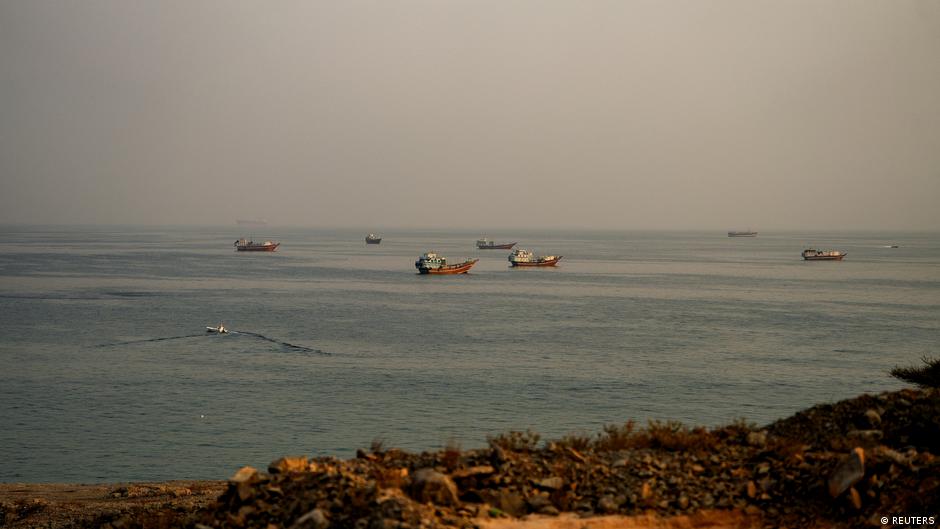
On 28 October, US Naval Forces Central Command issued a notice through the Joint Maritime Information Center advising vessels with no need to move between ports in the Gulf of Oman and the Strait of Hormuz to remain well clear. At first sight this reads as a safety warning, issued in the worst month of attacks since the war began. This content is locked Select a CN Premium Subscription Package To Unlock The Content! Remember Me Lost your password? Don't have an account?

Container NewsRead original
Source: Container News

31 October 2026

Sea-Intelligence: Unprecedented Capacity Levels in Oct/Nov

The container shipping market is currently operating in an environment of unprecedented supply, with deployed capacity reaching historic highs across all major East‑West trade lanes. The charts show a monthly breakdown of the average weekly capacity deployed on Asia‑Europe. Instead of following the traditional late‑year taper following Golden Week, where supply typically contracts to meet softening Q4 demand, average weekly deployed capacity in October and November 2026 has accelerated dramatically, showing a complete detachment from historical trends observed in 2012‑2025. Source: Sea-Intelligence. com, Sunday Spotlight, issue 788 Deployed capacity on both Asia‑Europe trade lanes was elevated throughout the year, largely due to the Red Sea Crisis and the need for extra capacity to maintain weekly departure frequencies.

Container NewsRead original
Source: Deutsche Welle English

31 October 2026

Massive Gen Z protests sweep cities across Germany

Young people in Germany are taking to the streets in some 34 cities, calling for greater political say and a more hopeful future. The protests come amid a wave of youth demonstrations across Europe. DW has more.

Deutsche Welle EnglishRead original
Source: BBC

31 October 2026

Pogacar 'just happy to be alive' after crash that fractured three vertebrae

Five-time Tour de France champion Tadej Pogacar says he is "just happy to be alive", two months after suffering three fractured vertebrae in a crash. The rider described his gratitude for surviving the incident as he recovers from the spinal injuries. BBC Sport reported the comments and the extent of Pogacar's injuries, noting the fractures followed the crash two months earlier.

Source: BBC

31 October 2026

Carrick criticises Man United defending after 2-0 defeat to Chelsea

Manchester United manager Michael Carrick criticised his side’s defending after their 2-0 Premier League defeat to Chelsea, pointing to the concession of the opening goal in particular. Carrick took issue with how his team defended the first goal, saying the concession was a clear problem for United in the match, BBC Sport reported. The manager’s comments underline defensive frailties that contributed directly to the loss. United were unable to overturn the deficit and failed to score, leaving Chelsea with a two-goal advantage at full-time. Carrick’s public critique focuses attention on the back line and suggests the coaching staff will need to address that area ahead of the club’s next fixtures.

Source: BBC

31 October 2026

Parsons hat-trick helps Ireland seal WXV Global Series sweep in Cape Town

Beibhinn Parsons scored a hat-trick of tries as Ireland closed out their WXV Global Series campaign by securing back-to-back wins over South Africa in Cape Town. BBC Sport reported Parsons’s three tries powered Ireland to victory in the South African city, giving them successive wins against the same opponent to finish their campaign. The result in Cape Town completed Ireland’s run in the WXV Global Series with consecutive victories over South Africa.

Source: BBC

31 October 2026

Ryo Hirakawa to replace Esteban Ocon at Mexico City Grand Prix

Ryo Hirakawa will race for Haas at the Mexico City Grand Prix, taking the seat vacated by Esteban Ocon. BBC Sport reported the driver change. Hirakawa's entry means Haas will field a different driver for the Mexico City event, with Ocon not on the grid for that race. The move changes the team's line-up for the weekend and will be reflected in starting rosters and race coverage.

Source: BBC

31 October 2026

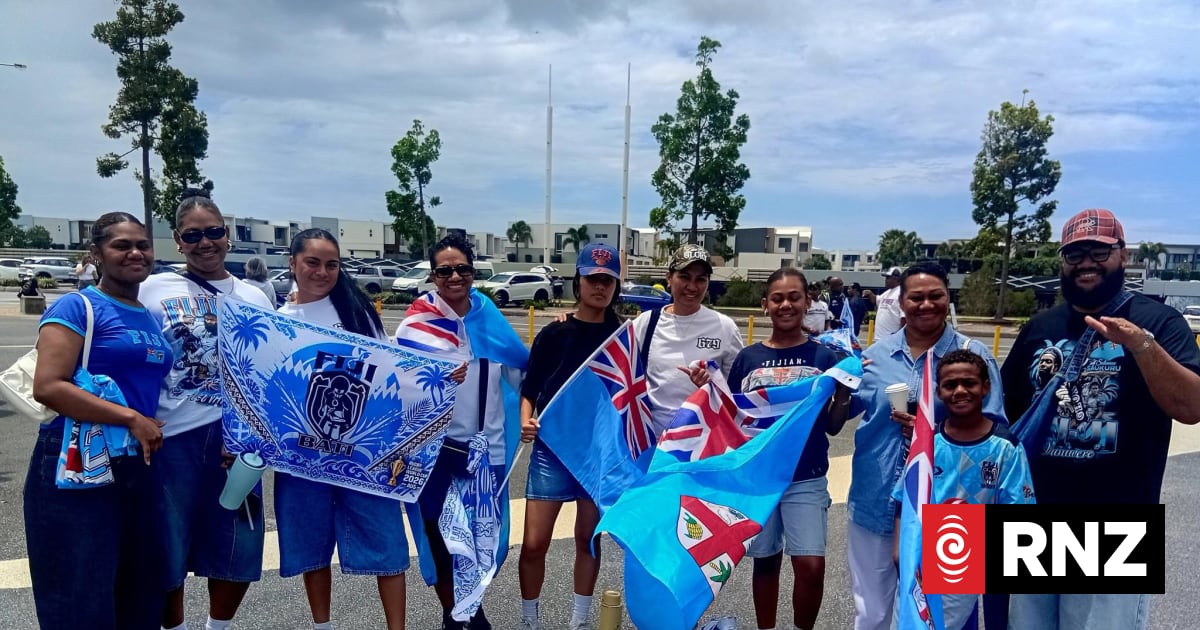
New Zealand thrash Fiji 78-0 to reach Rugby League World Cup semi-finals

New Zealand booked their place in the Rugby League World Cup semi-finals with a dominant 78-0 victory over Fiji. The Kiwis delivered a statement performance to end the contest comprehensively and advance to the last four. BBC Sport reported the result. The margin reinforced New Zealand’s control of the match and secures progression in the tournament. The emphatic scoreline leaves Fiji without a share of the points and ends their bid in this stage of the competition.

Downunder Voices Original

31 October 2026

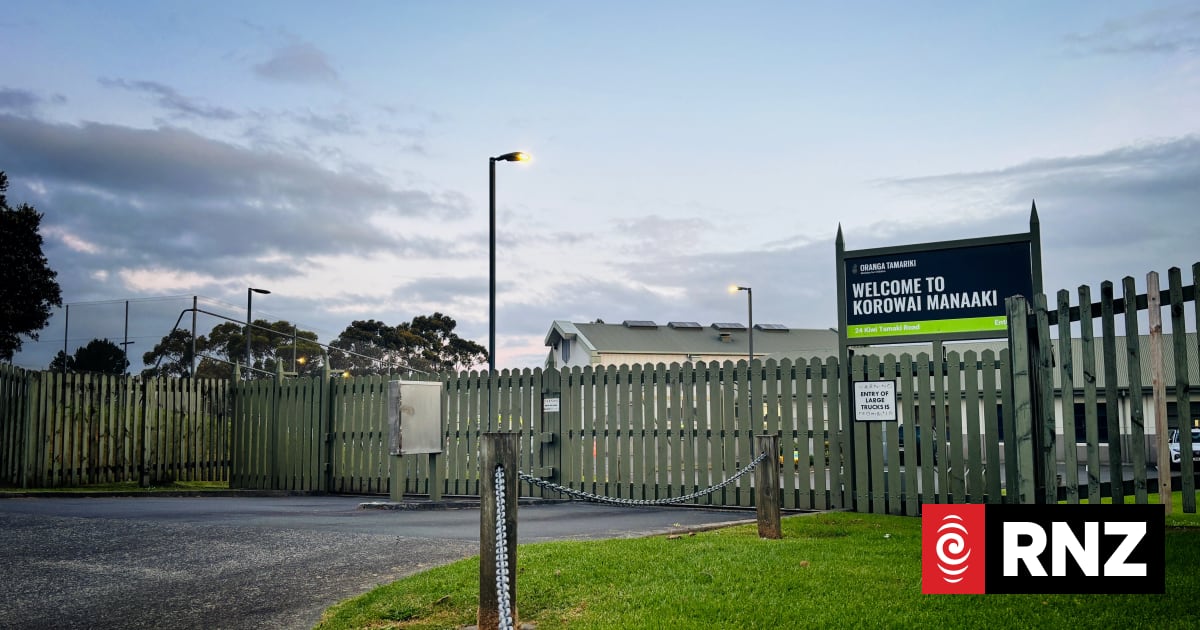
A small fire, a big question: accountability and care at Korowai Manaaki

A small fire was detected at Korowai Manaaki, the youth justice facility in Manurewa, and Oranga Tamariki staff alerted emergency services. Reports say a young person could face charges. Those sparse facts sketch a tense scene: an incident at a place charged with both care and custody, where the twin goals of safety and rehabilitation must be kept in balance. When an emergency unfolds inside a youth justice setting, the immediate priority — and the one that Oranga Tamariki staff did right — is the safety of children, staff and the surrounding community. The fact emergency services were alerted speaks to an operational response that prioritised containment. But the moment that the dust settles, hard questions follow about how and why such incidents occur in the first place, how they are prevented, and how the system responds in ways that both protect the public and support the young people involved. The talk of charges against a young person invites a familiar and fraught debate. The public instinct is to demand accountability; that is understandable. Communities want to feel safe and expect consequences when behaviour crosses legal lines. At the same time, youth justice exists precisely because young people are developmentally distinct from adults — they are often shaped by trauma, instability and unmet needs. Charging a young person is a serious step that should not foreclose the possibility of addressing underlying issues that contribute to offending behaviour. This is not an argument against accountability. It is an argument for proportionality. The justice system has tools to impose consequences while also focusing on rehabilitation — interventions that reduce the risk of reoffending and help young people find alternatives to harmful choices. A reflexive turn to punitive measures alone risks entrenching cycles that make our communities less safe in the long run. There are also operational considerations for the agencies responsible. Small fires might be accidental or deliberate; distinguishing between those requires careful investigation. Policies governing supervision, staff training, incident response and facility design should be reviewed in light of any breach. Families, victims and staff all deserve clarity about what happened and what will change to prevent a repeat. Public confidence depends on transparency. Oranga Tamariki and the justice agencies should be as open as they can be, consistent with privacy and legal constraints, about the circumstances and the steps being taken. Local communities want assurance that risks are being managed and that young people are being prepared for a return to constructive life paths. Ultimately, a single incident at Korowai Manaaki should prompt sober reflection rather than fevered headlines. The response must straddle two responsibilities: to hold young people to account where appropriate, and to deliver the rehabilitative support that will reduce future harm. That balance is not easy, but it is essential if the goal is safer communities and better outcomes for young people who have already experienced too much disruption in their lives.

Downunder Voices
Downunder Voices Original

31 October 2026

When a data centre divides a town: trust, planning and the Adelaide Hills

A proposed AI data centre in the Adelaide Hills has ignited a local campaign that has drawn the support of opposition parties and a vow from residents to use every legal avenue to stop the application. That response tells us as much about the project as it does about the state of trust between communities, developers and governments. Communities are not NIMBY by default; they are often the first to sense when a development promises gains on paper but threatens lived experience and local values. The limited facts here are simple: locals have rallied against the plan, opposition politicians have lent backing, and those locals say they will pursue legal channels if necessary. Those are not trivial signals. When a proposal for an AI data centre — a facility that carries connotations of corporate secrecy, heavy power use and long-term permanency — meets organised resistance, planners and proponents should pause and reflect rather than push on regardless. What matters is not whether the technology behind the project is exciting or economically attractive; it is how decisions are made and how impacts are shared. A small but vocal community campaign can become a major public controversy if people feel sidelined. That is the problem Adelaide Hills residents are flagging. Opposition politicians have read the mood and backed the locals, which will intensify scrutiny and raise the political stakes. Anyone contemplating a court fight should not be surprised: when residents pledge “all legal means,” they are signalling sustained contestation, not a passing protest. For local government and state planners, the lesson is clear: procedural legitimacy matters. Fast-tracked approvals or vague assurances from developers do not substitute for clear, accessible information and meaningful engagement. If issues such as visual amenity, noise, environmental impacts or utility demands are genuinely minor, proponents should be able to demonstrate that transparently. If there are trade-offs, those must be openly debated and weighed. The worst outcome for everyone is a long, bitter fight that leaves the community fractured and a costly legal bill for applicants — and potentially a development that arrives without local buy-in. For the proponents, this is a test of how to win consent rather than simply secure permission. Promises of jobs or contributions to local coffers are not enough if people feel their concerns about day-to-day impacts are dismissed. For elected officials, the easy move is to pick sides; the harder and more honest task is to ensure the approvals system is trusted and accountable. Finally, there is a broader point about emerging technologies. AI and the infrastructure that supports it are reshaping economies, but they should not be imposed on communities as fait accompli. How we host, regulate and integrate the digital backbone of the economy is a civic question as much as an industrial one. The Adelaide Hills standoff should be a wake-up call: governments and companies must treat planning as a vehicle for democratic conversation, not merely a technical box to tick. If they do, projects that genuinely bring public benefit will proceed with consent rather than in spite of the community.

Downunder Voices
Downunder Voices Original

31 October 2026

Adelaide Hills residents have every right to challenge a proposed AI data centre

A proposal to site an AI data centre in the Adelaide Hills has crystallised into more than a planning question: it has become a test of how communities are heard when powerful new technologies arrive on their doorstep. Local people have rallied against the plan, drawing support from opposition parties, and have made clear they will use all legal means to stop an application. That reaction deserves respect rather than dismissal. The rise of data centres and AI infrastructure is reshaping regional landscapes as much as it is reshaping economies. For communities such as those in the Adelaide Hills, the issue is not simply about a building. It is about transparency, local consent and trust. When residents mobilise — and when their campaign attracts cross‑bench or opposition backing — it is a signal that whatever case developers are making has not yet been persuasive to the people who will live with the project every day. That matters for a simple reason: planning decisions that ignore or override local concerns store up trouble. Protracted legal fights, angry local campaigns and the erosion of trust in local institutions are expensive for everyone. They are not an inevitable cost of progress; they usually occur where the public feels excluded from meaningful consultation or unconvinced about how a project will affect amenity, environment, heritage or infrastructure. Opposition party support for the rallies in the Adelaide Hills is politically useful to the protesters, but it also underlines a broader civic point: people want clarity on how decisions are made and on who has a say. Governments and regulators must respond by ensuring processes are rigorous and seen to be so. That means clear environmental assessments, transparent reporting on impacts, meaningful opportunities for genuine consultation — not just tick‑box exercises — and a willingness to adapt proposals in the face of legitimate concerns. For proponents of AI infrastructure, the lesson is equally straightforward. If you are proposing facilities that promise national economic or technological benefits, you must also present convincing local benefits and mitigations. That can include investments in local services, commitments on visual impact, traffic and noise management, and guarantees about any environmental protections. Making such compromises is not weakness; it is how large projects secure social licence. For local residents, mobilising through peaceful protest and the legal system is a legitimate way to assert their rights. But the aim should not simply be to defeat a proposal; it should be to shape a process that yields better outcomes. That may sometimes mean seeking changes that reduce harm rather than seeking an absolute ban. It may sometimes mean asking tougher questions about energy use, water, emissions and land use — questions that deserve clear answers from proponents and planners. The Adelaide Hills episode should be a reminder to councils, developers and governments across Australia: the introduction of high‑tech infrastructure into regional communities needs more than engineering expertise and investor capital. It needs social licence won through transparency, genuine consultation and fair trade‑offs. If those boxes are ticked, communities are likelier to see new facilities as partners in local prosperity rather than as unwelcome intruders.

Downunder Voices
Downunder Voices Original

31 October 2026

Limpet mines in the Strait of Hormuz: a worrying development for shipping and regional security

Two vessels carrying Indian crew members have been attacked in the Strait of Hormuz over the past two days. The attack on a tanker is the first known recent use of limpet mines in that waterway. Those facts are straightforward and uncomfortable: a vital shipping lane is seeing new tactics that endanger crew and cargo. The Strait of Hormuz is one of the world’s most important maritime chokepoints. When commercial vessels are endangered, the consequences ripple outward: insurance costs climb, shipping companies reroute, and the global supply of fuel and goods feels the pressure. Even when the immediate targets are ships with particular national crews, the broader effect is to make seafaring in the area more hazardous for everyone. That the recent tanker attack involved limpet mines is especially notable. Mines attached to hulls are a maritime threat that can cause catastrophic damage and significant danger to crews. The fact that this is the first known recent use of such devices in the Strait suggests a troubling escalation in tactics. Escalation like this forces governments, shipping lines and insurers to reassess risks and responses. For countries in the Indo-Pacific — including Australia and New Zealand — the safety of global sea lanes is a strategic concern as much as a commercial one. Our economies rely on the free flow of goods and energy; disruptions in a major artery like the Strait of Hormuz will have effects on markets, fuel prices and shipping schedules, even if those effects are delayed or mediated by other factors. Governments and maritime operators must respond on several fronts. Intelligence and policing at sea need to be sharpened; vessel crews require updated guidance on threat avoidance and emergency procedures; and diplomatic channels must be used to press for cooperation among states that have influence in or around the waterway. The safety of merchant sailors — and their right to work without fear of attack — is a humanitarian concern as well as an economic one. The attacks on vessels with Indian crew members also underline how transnational the risk is. Crews worldwide sail through the Strait; an incident that affects one nationality’s seafarers can quickly become a concern for many more. That should encourage a coordinated international response rather than isolated national reactions. How governments choose to respond will be watched closely. Heavy-handed measures can inflame tensions; inaction risks emboldening those who would threaten maritime commerce. Practical, proportionate steps that enhance surveillance, protect ships and pursue accountability for attacks are the immediate need. For ordinary readers, the takeaway is not to panic but to pay attention: when sea lanes are threatened, the outcomes are felt onshore in the form of market volatility and potential supply disruptions. The recent attacks in the Strait of Hormuz are a reminder that in an interconnected world, security far from our shores can matter very much to life at home.

Downunder Voices
Downunder Voices Original

31 October 2026

Small fire at a youth justice facility should prompt sober thinking about safety and rehabilitation

Oranga Tamariki staff alerted emergency services after a small fire was detected at Korowai Manaaki in Manurewa. A young person could face charges over the incident. Those are the basic facts. On that foundation we need a calm public conversation about what we expect from youth justice facilities and how communities balance safety, accountability and rehabilitation. Any fire inside a youth justice centre — however small — raises immediate concerns about the safety of residents and staff. The quick alert to emergency services suggests the centre’s staff did the right thing in responding. That is to be acknowledged. It also points to the everyday risks that come with caring for vulnerable, sometimes volatile young people in a custodial setting. The prospect of criminal charges for a young person involved in a fire is part of the system of accountability. But charges are only one piece of the puzzle. The public should ask whether the facility has the resources and routines needed to prevent such incidents in the first place, and whether there are adequate supports to address the underlying issues that lead young people into confrontational or destructive behaviour. Youth justice centres exist because some young people pose risks to themselves or others and require secure supervision. But their purpose is not only containment; it is rehabilitation. When a centre becomes the site of repeated incidents, it is a signal that more investment is required — not just in infrastructure and staffing, but in education, mental health and behavioural supports tailored to young people. For the community in Manurewa and beyond, there are two clear responsibilities. First, to demand transparency about safety: families and neighbours deserve reassurance that incidents are handled promptly and lessons are learned. Second, to insist that our responses prioritise getting young people the help they need so they do not reoffend. Punishment without support rarely serves the public interest in the long run. Public debate can sometimes harden into an either/or — strict punishment versus soft rehabilitation. The facts in this case push us to reject that binary. A young person who may face charges for a small fire also needs access to programmes that tackle the causes of offending: trauma, addiction, failed education or lack of stable housing. Without those supports, custody may become a revolving door. Oranga Tamariki staff acted quickly in this incident; emergency services were called when the fire was detected. Now politicians, policymakers and local communities must follow through. That means assessing whether Korowai Manaaki and similar facilities have what they need to be safe and effective, ensuring accountability where appropriate, and providing the rehabilitation pathways that protect the public and offer young people a chance to change. Local trust is fragile. When it comes to our youth and public safety, the community is entitled to clear answers and steady improvement, not slogans. A small fire can be a small event — or it can be a warning. How we respond will determine which it becomes.

Downunder Voices
Downunder Voices Original

31 October 2026

When a preventable illness lands an Adelaide adult fighting for life, the whole community should listen

An Adelaide adult is fighting for their life with meningococcal disease and health authorities have identified multiple close contacts. That stark fact is all it takes to remind us that infectious illness is not a private problem; it is a public one. For the person in hospital and for their family, this is a crisis. For neighbours, colleagues and friends who have been named as close contacts, it is an anxious wait. For the wider public, it should be a prompt to pay attention to official health alerts and to treat them seriously. The words used in the reporting — “fighting for life” and “multiple close contacts identified” — are not chosen lightly. They show how quickly an individual case can ripple out and demand a response from both the health system and the community. Public health responses to infections like this are straightforward in concept: identify contacts, assess risk, treat where necessary and inform people so they can act. In practice, they depend on trust and cooperation. People named as close contacts must answer calls from health authorities, seek assessment if advised, and follow instructions. That cooperation is the single most effective act of solidarity in these circumstances: it helps protect others, including the household members who are often the most vulnerable. There is also an important role for workplaces, schools and community groups. When a health alert affects a shared environment, managers and leaders must communicate clearly and calmly. Panic and guesswork do more harm than good. Practical, timely information — conveyed with empathy — helps people make sensible choices about seeking care and limiting potential spread. Media coverage, too, has a responsibility. Reporting on individual medical cases should avoid sensationalism while giving readers the facts they need to protect themselves and their families. The reality that health authorities have identified multiple close contacts is a critical detail; it tells readers that this is not an isolated incident and that public health follow-up is under way. For ordinary readers, the immediate takeaway is modest but meaningful: heed alerts, check in with household members and act promptly if advised. That includes seeking medical attention if someone develops worrying symptoms and cooperating with health professionals who contact you. Small acts of vigilance can prevent suffering and reduce strain on hospitals. Beyond the immediate response, episodes like this underline the value of being prepared as a community. That means maintaining strong relationships with local health services, supporting public-health messaging, and not dismissing warnings because they feel inconvenient. Illnesses that require contact tracing do not wait for the perfect time to arrive; they exploit routine social patterns and ordinary human generosity. The best defence is an everyday habit of taking public-health advice seriously. No one wants to read that a member of our community is gravely ill. But the fact that authorities have identified close contacts should not be read as an alarm bell only for those directly named. It should be understood as a civic reminder: when infectious disease threatens one person, it can touch many. Acting collectively, calmly and quickly protects lives.

Downunder Voices
Downunder Voices Original

31 October 2026

Four-party pledge on youth homelessness is the start, not the finish

When representatives from Labour, the Green Party, Te Pāti Māori and the Opportunity Party signed a set of commitments to tackle youth homelessness, they did something that rarely happens in politics: they put cross-party words to paper with a focus on a single, urgent social problem. The pledge, signed at a summit attended by more than 100 housing and youth advocates and rangatahi with lived experience, matters precisely because it recognises youth homelessness as a distinct issue demanding a targeted response. Young people who are homeless face vulnerabilities that differ from those of older adults. They are at risk of school dropout, exploitable work arrangements, poor mental and physical health outcomes, and social marginalisation. That a coalition of four parties has pledged action "if elected" signals a shift in political attention toward what has too often been an invisible crisis. But pledges are the opening chapter, not the epilogue. The summit’s inclusion of advocates and rangatahi with lived experience was vital; those voices should continue to be central in designing and assessing policies. Implementation will be where the real test lies: commitments must be turned into funded programmes, measurable targets, and joined-up services that span housing, education, health and youth employment. Cross-party support offers a chance to build durable solutions that survive electoral cycles—but only if the parties involved accept robust accountability mechanisms. For ordinary New Zealanders, this is not an abstract moral debate. Investing early to stabilize the lives of young people can prevent future pressures on emergency health services, the justice system and welfare budgets. It also keeps rangatahi connected to education and training, improving their chances of contributing productively to society. The summit, with its broad participation of advocates and those with lived experience, recognised that good policy needs to be practical and person-centred. There are pitfalls to avoid. Policymakers must resist the temptation to prioritise headline-grabbing one-off measures over comprehensive, evidence-informed programmes. Short-term shelter responses are important, but they must be coupled with pathways to secure housing, family and community support, and employment or education opportunities. Moreover, the needs of Māori and Pacific young people must be front and centre, and the participation of Te Pāti Māori in the pledge is a positive sign in that regard. This cross-party initiative creates political space to tackle a stubborn social problem. But voters and community groups should now press the signatories to translate commitments into clear timelines, funding lines and independent evaluation. If the summit was the launch, the next step must be disciplined policy delivery. Otherwise, yet another promising pledge risks becoming compassionate rhetoric with little lasting impact on the lives of the young people it aims to help.

Downunder Voices
Downunder Voices Original

31 October 2026

Skipping the G20 'family' photo was a diplomatic signal Australia could not ignore

The decision by foreign ministers to forgo the traditional ‘family’ photograph before their meeting was more than a protocol hiccup; it was a deliberate act of diplomatic signalling. European and Australian representatives objected to the presence of Russia, and the group’s collective decision to skip the image made that objection visible to the world. Photographs at international gatherings are symbolic but potent. They are shorthand for unity, or the lack of it. When ministers choose not to pose together, the message is unambiguous: something fundamental has fractured. For Australia — which has been navigating an increasingly complex international environment — joining others in objecting to Russia’s presence was a clear alignment with partners who see current actions as incompatible with the norms that underpin multilateral cooperation. Why should ordinary Australians care about a missed photo op in Geneva? Because diplomacy is not theatre divorced from policy; it shapes the practical terrain on which issues that matter to Australians are decided. Trade relationships, security partnerships, climate negotiations and international legal norms are all negotiated in rooms where the strength and coherence of alliances matter. A fractured meeting table makes pragmatic cooperation harder. The optics also matter at home. When Australia stands with European partners in refusing to normalise a presence perceived as problematic, it reinforces a position about rules-based behaviour. That stance can influence how other states approach bilateral and multilateral engagements with Moscow, and it sends a message about where Australia positions itself in a messy international landscape. That said, diplomatic gestures should not be mistaken for a strategy in themselves. Refusing a photograph signals a principled line, but it must be matched by clear policy thinking about how to protect Australia’s national interests — from trade access and supply chain resilience to defence cooperation and international law enforcement. Symbolic acts are an important part of statecraft, but they must be embedded in concrete measures that maintain Australia’s influence and ability to pursue practical outcomes on behalf of citizens. For voters and communities, the lesson is straightforward: Australia cannot afford to be a bystander as global alignments shift. Standing with partners on principle strengthens collective leverage, but Canberra must also ensure those gestures are backed by robust diplomatic work to protect jobs, exports and security. Skipping a photograph may attract headlines, but it will be judged on whether it leads to real, defensible policy that safeguards what matters to Australians. The photograph was left on the table, but the conversation it provoked should spur Canberra to be both principled and practical — visible in solidarity, and effective in delivering tangible outcomes for the nation.

Downunder Voices
Downunder Voices Original

31 October 2026

Why Snowy 2.0 still matters in an age of batteries

The image of a great nation’s energy future sketched on a pub coaster might seem whimsical, but the story behind Snowy 2.0 — conceived that way, as the record reminds us — is no joke. It is one of the most ambitious renewable energy projects in Australia’s history and, despite the dizzying rise of batteries, it still has a clear role to play in our electricity system. As the country grapples with how to keep the lights on while lowering emissions, two competing ideas about storage have taken centre stage. Small, distributed lithium-ion batteries sit on household walls and in city substations; they are fast, modular and extremely useful for shaving peaks and smoothing short-term fluctuations. Large-scale pumped hydro projects like Snowy 2.0 are neither glamorous nor compact. But they were designed for a different purpose: to move and store very large amounts of energy over longer periods and to provide sustained, high-capacity dispatch that can stabilise the grid through prolonged bouts of low renewable output. That difference matters to everyday Australians. A household battery can help reduce a power bill and keep a fridge running through a brief outage. But when a heatwave lasts days, or when wind is low across much of the country for an extended stretch, the grid needs reserves measured not in kilowatt-hours but in gigawatt-hours. Pumped hydro delivers duration and scale that current battery fleets cannot yet match economically. Snowy 2.0 was conceived to provide that capability: to act as a giant, on-demand battery able to support the grid across seasons and to smooth the path for more wind and solar onto the network. Critics are right to scrutinise the project. Ambition should not be an excuse for carelessness. Projects of this size carry cost, environmental and social implications that deserve rigorous oversight. But the debate should be about comparing capabilities, not declaring a winner without context. Batteries and pumped hydro are complementary rather than mutually exclusive. Short-duration technologies will handle one set of problems exceptionally well; long-duration storage will handle others. The task for policymakers is to ensure the mix is cost-effective, resilient and fair. For ratepayers and taxpayers, that means demanding transparency about costs and timelines, and insisting on the best value outcome for the nation. For communities affected by construction, it means meaningful consultation and mitigation. For the energy market, it means clear signals so investors in both batteries and long-duration storage can plan with confidence. We should also remember the broader point behind the pub-coaster origin: big ideas often begin simply, but they require serious, sustained commitment to deliver. If Snowy 2.0 can be reined in where necessary, executed with oversight and integrated sensibly into a diversified storage strategy, it will be a powerful tool in the transition. If not, its failings will be instructive. Ultimately, ordinary Australians want two things from energy policy: secure, affordable power, and progress on climate commitments. Neither batteries nor pumped hydro alone can give them both. The sensible path is a pragmatic portfolio approach that values the strengths of each technology. Snowy 2.0, for all its romance and controversy, remains a key piece of that puzzle.

Downunder Voices

Downunder Voices Original

30 October 2026

Ships, ammonia and the freight future: why SFL’s purchases matter to trade-dependent nations

A recent purchase by SFL Corporation — two 8,800 TEU container vessels and a 93,000-cubic-metre dual-fuel Very Large Ammonia Carrier — might sound like an esoteric corporate move. The deal, with deliveries scheduled for 2027 and 2028 and an aggregate price tag of about US$365 million, is more than a balance-sheet item. It is a window into where global shipping is heading and why that direction matters to countries that depend on seaborne trade. Container ships are the arteries of international commerce. The two 8,800 TEU vessels will add capacity when they enter service in 2027, and SFL has secured minimum eight-year time charters for them with a leading liner company, starting on delivery. For exporters and importers, changes in vessel capacity, deployment and charter arrangements influence freight availability and price. While the immediate impacts are shaped by broader market conditions, investments on this scale signal confidence among owners and liners that demand for ocean freight will remain substantial. Equally significant is the acquisition of a dual-fuel ammonia carrier due in 2028. Ammonia as a marine fuel is a nascent but strategically important development as the shipping industry seeks to reduce greenhouse gas emissions. The purchase suggests that shipowners are preparing for fuels beyond conventional bunkers, and that infrastructure, regulatory standards and commercial arrangements will need to catch up. The prospect of very large ammonia carriers entering the fleet raises operational and safety considerations for ports and regulators. Why should Australians and New Zealanders pay attention? Both countries are heavily reliant on shipping for exports and imports. From agricultural commodities to consumer goods, the cost, reliability and decarbonisation of shipping flow through to prices at the supermarket, competitiveness for exporters and the carbon footprint of trade-dependent industries. If the industry is moving towards alternative fuels like ammonia, that transition will require port investments, new safety protocols and clear regulatory frameworks — all of which have cost and timing implications. There are also employment and regional economic implications. Long-term charters can stabilise earnings for shipowners and supply predictability for liner companies, but shifts in vessel types and fuels may change the nature of crewing, maintenance and port services. Governments and industry stakeholders should be preparing now: ports need to assess readiness for ammonia handling, regulators must clarify standards, and training providers should consider the skills that future fleets will demand. SFL’s US$365 million outlay is not just corporate confidence; it is an early signpost of the freight industry’s twin preoccupations — capacity and decarbonisation. For nations whose prosperity rides on the sea, that combination ought to be a national conversation. Planning for new fuels, ensuring resilient shipping capacity and managing the transition in a way that protects trade and jobs are practical policy tasks. Watching the delivery schedules and charter commencements in 2027–28 will tell us much about how quickly that conversation is translating into reality.

Downunder Voices
Downunder Voices Original

30 October 2026

Inflation, infighting and public confidence: the danger of a split between Chalmers and Albanese

Australia’s political leadership is being tested in a bare-knuckled economic moment. On a recent programme, Barrie Cassidy and Tony Barry laid out an unromantic truth: the state of the economy is set to shape how voters view both the prime minister and the treasurer. That matters because the relationship between those two offices is more than political theatre. It is a backbone of national economic management. When it frays, the consequences are practical as well as political. The treasurer, Jim Chalmers, has been explicit about the headwinds ahead. He has signalled that the economy is likely to worsen, with higher unemployment and weaker growth on the way. At the same time, the debate has become noisier and more partisan: Chalmers has sought to pin part of Australia’s accelerating inflation on external factors, including the international political landscape. According to the coverage of the discussion, he attributes some blame to the impact of Donald Trump. That line of argument — pointing to foreign political forces as a driver of domestic pain — will be familiar to voters. Many will see kernels of truth in global causes for local effects. But they are also wary of partisan blame-shifting when the cost-of-living is at stake. Why should ordinary people care? Because inflation, rising unemployment and weaker growth are not abstract metrics; they are the prices we pay, literally and figuratively. They determine whether a household can afford groceries, whether a family can absorb an unexpected medical bill, whether a young person finds work after finishing study. The timbre of political leadership in such times matters. Coherent, credible economic stewardship calms markets, reassures business and helps households plan. Public spats between the prime minister and the treasurer — or the perception that there is disagreement at the top — risk undermining that confidence. There is also a democratic dimension. Cassidy and Barry discussed the broader electoral context: the global spread of contentious politics, and whether figures like Donald Trump — and their associations with hard-right parties overseas — are reshaping politics at home. Meanwhile One Nation has again drawn scrutiny for a political cartoon featuring a children’s television character used as a violent trope. These are reminders that political communication now operates in a noisy, 24/7 environment where imagery and soundbites travel fast and can frustrate sober policy debate. So what should Australians expect from their leaders? First, realism. If the treasurer forecasts tougher months, that should be laid out plainly, with concrete explanations of trade-offs and contingency plans. Second, unity of purpose. The prime minister and treasurer do not have to agree on every tactic, but they must provide a consistent message about objectives: protecting jobs, easing the burden on the most vulnerable, and stabilising inflation. Third, accountability. Voters will want to know what is being done, not just who is to blame. If the relationship between the prime minister and treasurer is as consequential as Cassidy and Barry suggest, repair is not merely a political convenience; it is a public good. Australia is heading into a period that will test both policy and political management. The leaders’ job is to make the economy less frightening for ordinary Australians — to turn complicated forecasts into intelligible choices and to shoulder responsibility rather than point fingers. That is the only way to preserve the trust that households and markets need to weather the next chapter.

Downunder Voices
Downunder Voices Original

30 October 2026

When Australians are caught up overseas, our consular system must not be an afterthought

News that Australian authorities are working to confirm the wellbeing of two Australians after a deadly train crash in Spain is a stark reminder of how suddenly travel can turn to crisis. The bare facts reported are clear: two Australians are unaccounted for in the wake of a lethal rail disaster, and officials are seeking to establish their status. For the families and friends waiting at home, every hour matters. For the broader public, the episode raises questions about how well our institutions protect citizens overseas and how we prepare for emergencies abroad. The modern world is highly mobile. Australians travel for work, study, tourism and family reasons. In every hour of the day, people cross borders and board public transport in distant countries. That makes consular services — the networks of diplomats and locally based officials tasked with offering assistance — one of the unsung layers of national responsibility. When disaster strikes, an effective consular response can mean the difference between timely information and agonising uncertainty. The immediate priority must be the families of the two people reported unaccounted for. They need prompt, clear and compassionate updates. They need to be advised on support options, from travel to counselling, and they need a single point of contact who will keep them informed as inquiries proceed. It is not just administrative nicety; it is the humane core of consular work. Beyond that personal imperative, there are systemic lessons. How quickly were Australian authorities alerted? How effectively can they liaise with local emergency services and Spanish authorities? Do we have sufficient staffing in missions to respond to sudden mass-casualty events, and are lines of communication with airlines, hospitals and local search authorities robust and redundant? These questions matter because they point to preparedness. Governments cannot prevent every disaster overseas, but they can design systems that respond rapidly and coherently. That requires investment in training, in technology for tracking and communicating with travellers, and in relationships with host-country agencies. It also requires transparency back home: when a crisis occurs, citizens need to see that their government is mobilising, not waiting. For ordinary Australians who travel, there are practical cautions: register travel plans where possible, ensure emergency contacts are up to date, and consider consular guidance before and during travel. But these individual steps cannot be a substitute for strong institutional capacity. A deadly rail crash in another country is a terrifying event for those directly involved and a distressing reminder for those at home. The goal of any national response should be simple and humane: to find the missing, support the affected and learn how to do it better next time. If the reports out of Spain prompt a sober review of how we look after Australians abroad, then the immediate uncertainty for two families will have at least produced a longer-term public benefit.

Downunder Voices
Downunder Voices Original

30 October 2026

When a packet of pasta becomes a public-health alarm

An urgent recall for six Maria’s Pasta products over fears of metal contamination is a blunt reminder that food safety can hinge on the smallest pieces of equipment, the longest supply chains and the sharpness of regulatory systems. The recall — for products that were sold in supermarkets in Victoria and online — will cause immediate inconvenience for shoppers and retailers. But beyond the immediate disruption, it ought to prompt a sober conversation about how our food system protects consumers and preserves trust. Recalls are, by their nature, reactive. They tell us something has gone wrong somewhere between production and plate. The facts made public are straightforward: six products from a single brand have been pulled because they may contain metal fragments. That is enough to justify urgent action. Metal in food is not merely unpleasant; depending on size and shape it can cause cuts, dental damage or choking. For parents buying a midweek dinner, for people feeding elderly relatives or those with swallowing difficulties, the stakes are real. Consumers expect supermarkets and online sellers to be gatekeepers. When a product appears on the shelf or in an online catalogue, there is an implied assurance that it has passed safety checks. That trust is fragile. For the chain that links a family’s weekly shop to a distant factory, a recall instantly exposes points of vulnerability: supplier quality control, packaging and labelling accuracy, inventory tracking and the speed of communication to customers. Victoria shoppers who bought Maria’s Pasta now face practical questions: how to identify affected packs, whether refunds are available, and what to do if they suspect they or someone they care for has eaten the product. Retailers and online platforms have a duty to make that information clear and simple. A recall notice that is buried under a slew of supermarket posts, or difficult-to-navigate online instructions, defeats the purpose. Transparency and accessibility matter as much as the initial safety action. Beyond the immediate response, regulators and industry should treat this not as an isolated nuisance but as a test of systems. How quickly did the recall move from detection to public notice? Were suppliers audited regularly? Did labels allow consumers to identify affected batches? These are the operational questions that determine whether a recall stays a short-term incident or becomes a wider public-health problem. Smaller food manufacturers, in particular, can struggle with the cost and complexity of robust hazard management systems. That is not an argument for lax standards; rather, it is an argument for proportionate support and clear rules so that safety does not become the preserve of well-resourced producers alone. Retailers also carry responsibility: their due diligence in selecting suppliers and their ability to trace and remove affected stock are essential lines of defence. For ordinary readers, the takeaways are practical and simple. First, if you’ve bought Maria’s Pasta from a Victorian supermarket or online, check recall notices and your pantry. Second, supermarkets and online sellers should be held to account for how they communicate and act. Third, policymakers must ensure that the systems meant to protect the food chain are resilient and intelligible to ordinary consumers. A packet of pasta is a small thing. But food safety depends on countless small things working correctly. When they do not, the consequences ripple through households and into public confidence. A swift, transparent recall is the right first step — now the work is to make sure the system learns and strengthens so the next recall is less likely to be necessary.

Downunder Voices
Downunder Voices Original

30 October 2026

Waitangi Tribunal says Crown 'fell short' over schools — an apology is only the start

The Waitangi Tribunal’s finding that the Crown’s process to remove school boards’ obligations to give effect to the Treaty of Waitangi “fell short of the standard of honour required” is a serious rebuke. The Tribunal says Māori were blindsided and that the Crown should apologise. That is not a technical ruling confined to Wellington legal corridors — it goes to trust in public institutions and to the relationship between the Crown and iwi that underpins New Zealand’s constitutional fabric. Education is where the future is formed. When changes to school governance or obligations are made without proper engagement with Māori, the consequences are practical and symbolic. Practical, because policies that lack buy-in from communities will be harder to implement in classrooms. Symbolic, because the Treaty promises a partnership that carries expectations about consultation, respect and shared decision-making. The Tribunal’s language — that the process “fell short of the standard of honour required” — makes clear that this was not merely a procedural misstep but a breach of an underlying duty. For ordinary New Zealanders, the immediate concern is how this affects schools and students. Parents want stable, effective education; teachers need clarity; communities seek respect for their mana and aspirations. When governance decisions are perceived as imposed rather than negotiated, anxiety and distrust can grow. That does not help learners. The solution is not merely an apology — although a sincere, timely acknowledgement from the Crown is required — but a commitment to fix the process and to rebuild relationships with Māori education partners. Rebuilding means more than returning to the status quo. The Tribunal’s finding is an opportunity to re-examine how central government consults and shares power on issues that deeply affect communities. It should prompt concrete steps: transparent engagement frameworks, meaningful consultation timelines, and co-design approaches that give iwi and Māori organisations real influence in shaping policy. That will take time and humility. It will also require the Crown to accept that treating consultation as a box-ticking exercise is incompatible with honouring Treaty obligations. Political leaders and education officials should resist the temptation to frame this as an elite legal dispute. The Tribunal’s message is both legal and moral: the partnership at the heart of the Treaty must be reflected in how government acts. Where mistakes were made, practical remedies should follow — including clear communication to schools, resources to support any transition, and mechanisms to ensure lessons are learned across public agencies. Ultimately, New Zealand’s schools should be places where all young people see their histories and identities respected and where communities are partners in decisions that affect their children. The Tribunal has flagged a failure in process; the Crown must now show that it can do better. An apology without action will ring hollow. To restore trust, the Crown needs to demonstrate through policy and practice that the standard of honour the Treaty demands is more than words — it is a way of governing.

Downunder Voices
Downunder Voices Original

30 October 2026

David Jones on the brink: what an iconic collapse would mean for Australia

After almost two centuries trading, reports that David Jones is on the verge of financial collapse are more than a business story. They touch a national sense of continuity, affect thousands of small and medium suppliers, and highlight enduring weaknesses in how Australia supports and adapts its retail sector. The facts are stark: an iconic Australian department store that has traded for 188 years is reportedly facing collapse, with major luxury brands withdrawing and suppliers left unpaid. That combination is enough to jolt customers and communities who have long regarded the store as a fixture of city life. A collapse of David Jones would be traumatic in symbolic terms. Department stores are not just places to buy; they anchor shopping precincts, provide jobs and apprenticeships, and help smaller designers and suppliers reach a national audience. When high-end brands pull out, it accelerates a downward spiral — fewer marquee names mean fewer customers, which in turn reduces cashflow and hampers the store’s ability to meet obligations to suppliers. The reports of unpaid suppliers are particularly worrying because they point to damage that spreads beyond the company’s own balance sheet. For many small businesses, a large retail account is an income stream they depend on; when it collapses, the shock travels down the supply chain. This is also a wake-up call about how retail is changing. Global luxury brands are sensitive to how their stock is presented and to the reliability of their retail partners. If they perceive a store as unstable, they respond quickly. That reaction is rational from a corporate perspective but can be devastating locally when it leaves an established institution floundering. It suggests Australian retail has less resilience than many assume: long histories and strong names are not insurance against rapid shifts in consumer behaviour, supply-chain fragility or the withdrawal of commercial partners. Policymakers and industry should resist two temptations. First, we should avoid reflexive nostalgia that treats every old brand as sacrosanct. Not every historic firm deserves rescue, and market discipline has a role. Second, we should avoid a hands-off stance that ignores the broader consequences of failure. Job losses, unpaid bills to smaller firms, and empty retail spaces have cumulative costs. If public policy is to be involved, it should be targeted: support for displaced workers into training, protections for small suppliers in insolvency processes, and incentives for new retail models that link bricks-and-mortar strengths with online capability. There is also a responsibility on landlords, bank lenders and brand partners to consider longer-term outcomes. A coordinated approach that allows a viable restructuring — one that keeps stores open while sorting out debts and commitments — can preserve more value than a disorderly collapse. That requires honest dialogue and a willingness by larger commercial players to accept short-term concessions for longer-term viability. For ordinary Australians, the immediate question is practical: will their local store survive, and what does this mean for work, shopping and the local high street? The answer depends on whether stakeholders can fashion a realistic turnaround plan and whether governments and the financial sector recognise the local fallout of a headline corporate failure. If David Jones does go under, the loss would be more than historic; it would mark a failure to protect an ecosystem that supports small businesses, retail employment and vibrant city centres. If it is rescued or restructured successfully, it should prompt a broader conversation about making our retail sector fit for a rapidly changing 21st-century market — with stronger protections for the small businesses that underpin it.

Downunder Voices