☀ WEATHER● RADIOAdvertise
DVDOWNUNDERVOICESAustralia · New Zealand · World
Back to Social Issues
Social Issues

31 October 2026

When a data centre divides a town: trust, planning and the Adelaide Hills

By From the Editor — Downunder Voices

Source reporting: abc.net.au

When a data centre divides a town: trust, planning and the Adelaide Hills

A proposed AI data centre in the Adelaide Hills has ignited a local campaign that has drawn the support of opposition parties and a vow from residents to use every legal avenue to stop the application. That response tells us as much about the project as it does about the state of trust between communities, developers and governments. Communities are not NIMBY by default; they are often the first to sense when a development promises gains on paper but threatens lived experience and local values. The limited facts here are simple: locals have rallied against the plan, opposition politicians have lent backing, and those locals say they will pursue legal channels if necessary. Those are not trivial signals. When a proposal for an AI data centre — a facility that carries connotations of corporate secrecy, heavy power use and long-term permanency — meets organised resistance, planners and proponents should pause and reflect rather than push on regardless. What matters is not whether the technology behind the project is exciting or economically attractive; it is how decisions are made and how impacts are shared. A small but vocal community campaign can become a major public controversy if people feel sidelined. That is the problem Adelaide Hills residents are flagging. Opposition politicians have read the mood and backed the locals, which will intensify scrutiny and raise the political stakes. Anyone contemplating a court fight should not be surprised: when residents pledge “all legal means,” they are signalling sustained contestation, not a passing protest. For local government and state planners, the lesson is clear: procedural legitimacy matters. Fast-tracked approvals or vague assurances from developers do not substitute for clear, accessible information and meaningful engagement. If issues such as visual amenity, noise, environmental impacts or utility demands are genuinely minor, proponents should be able to demonstrate that transparently. If there are trade-offs, those must be openly debated and weighed. The worst outcome for everyone is a long, bitter fight that leaves the community fractured and a costly legal bill for applicants — and potentially a development that arrives without local buy-in. For the proponents, this is a test of how to win consent rather than simply secure permission. Promises of jobs or contributions to local coffers are not enough if people feel their concerns about day-to-day impacts are dismissed. For elected officials, the easy move is to pick sides; the harder and more honest task is to ensure the approvals system is trusted and accountable. Finally, there is a broader point about emerging technologies. AI and the infrastructure that supports it are reshaping economies, but they should not be imposed on communities as fait accompli. How we host, regulate and integrate the digital backbone of the economy is a civic question as much as an industrial one. The Adelaide Hills standoff should be a wake-up call: governments and companies must treat planning as a vehicle for democratic conversation, not merely a technical box to tick. If they do, projects that genuinely bring public benefit will proceed with consent rather than in spite of the community.

Downunder Voices perspective

Why this matters

Local residents are mobilising because they feel excluded from decisions that will affect their everyday lives. Ordinary people should care because this dispute is about how developments are approved, who gets to shape local outcomes, and whether promises from powerful interests hold up to public scrutiny.

About this report

Downunder Voices provides an independently written summary and community perspective based on information published by the original source. The original publisher remains responsible for its reporting.

Join our community

Follow Downunder Voices

Join thousands of readers following news and community stories from Australia, New Zealand and the Pacific.
More from Social Issues

View category
Downunder Voices Original

31 October 2026

A small fire, a big question: accountability and care at Korowai Manaaki

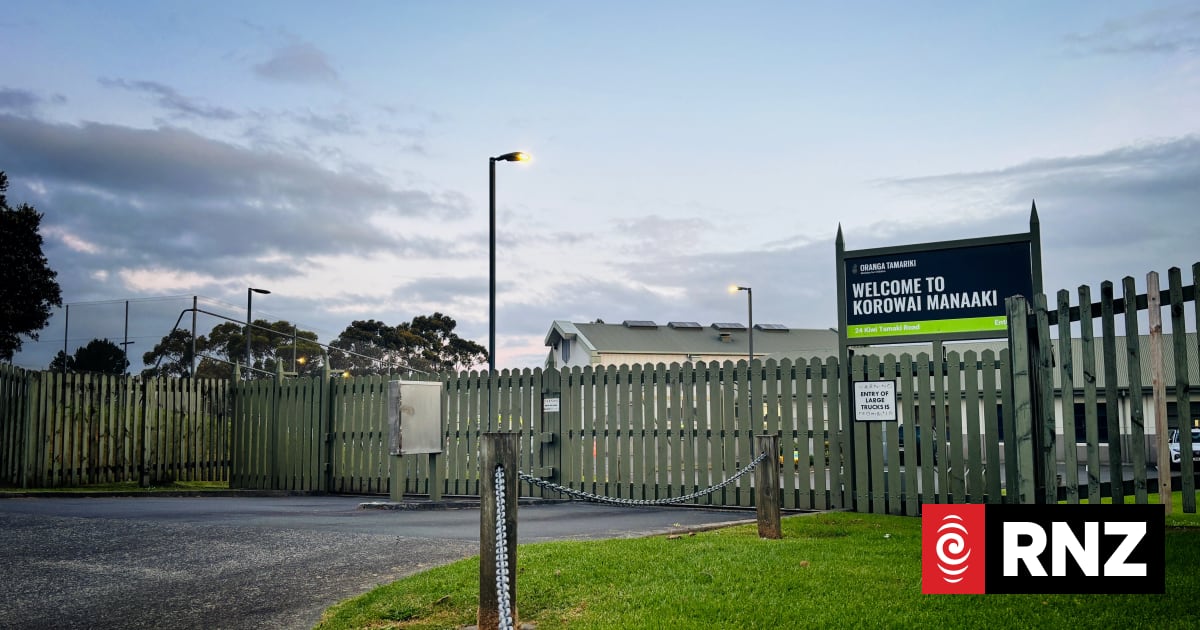
A small fire was detected at Korowai Manaaki, the youth justice facility in Manurewa, and Oranga Tamariki staff alerted emergency services. Reports say a young person could face charges. Those sparse facts sketch a tense scene: an incident at a place charged with both care and custody, where the twin goals of safety and rehabilitation must be kept in balance. When an emergency unfolds inside a youth justice setting, the immediate priority — and the one that Oranga Tamariki staff did right — is the safety of children, staff and the surrounding community. The fact emergency services were alerted speaks to an operational response that prioritised containment. But the moment that the dust settles, hard questions follow about how and why such incidents occur in the first place, how they are prevented, and how the system responds in ways that both protect the public and support the young people involved. The talk of charges against a young person invites a familiar and fraught debate. The public instinct is to demand accountability; that is understandable. Communities want to feel safe and expect consequences when behaviour crosses legal lines. At the same time, youth justice exists precisely because young people are developmentally distinct from adults — they are often shaped by trauma, instability and unmet needs. Charging a young person is a serious step that should not foreclose the possibility of addressing underlying issues that contribute to offending behaviour. This is not an argument against accountability. It is an argument for proportionality. The justice system has tools to impose consequences while also focusing on rehabilitation — interventions that reduce the risk of reoffending and help young people find alternatives to harmful choices. A reflexive turn to punitive measures alone risks entrenching cycles that make our communities less safe in the long run. There are also operational considerations for the agencies responsible. Small fires might be accidental or deliberate; distinguishing between those requires careful investigation. Policies governing supervision, staff training, incident response and facility design should be reviewed in light of any breach. Families, victims and staff all deserve clarity about what happened and what will change to prevent a repeat. Public confidence depends on transparency. Oranga Tamariki and the justice agencies should be as open as they can be, consistent with privacy and legal constraints, about the circumstances and the steps being taken. Local communities want assurance that risks are being managed and that young people are being prepared for a return to constructive life paths. Ultimately, a single incident at Korowai Manaaki should prompt sober reflection rather than fevered headlines. The response must straddle two responsibilities: to hold young people to account where appropriate, and to deliver the rehabilitative support that will reduce future harm. That balance is not easy, but it is essential if the goal is safer communities and better outcomes for young people who have already experienced too much disruption in their lives.

Downunder Voices
Downunder Voices Original

31 October 2026

Adelaide Hills residents have every right to challenge a proposed AI data centre

A proposal to site an AI data centre in the Adelaide Hills has crystallised into more than a planning question: it has become a test of how communities are heard when powerful new technologies arrive on their doorstep. Local people have rallied against the plan, drawing support from opposition parties, and have made clear they will use all legal means to stop an application. That reaction deserves respect rather than dismissal. The rise of data centres and AI infrastructure is reshaping regional landscapes as much as it is reshaping economies. For communities such as those in the Adelaide Hills, the issue is not simply about a building. It is about transparency, local consent and trust. When residents mobilise — and when their campaign attracts cross‑bench or opposition backing — it is a signal that whatever case developers are making has not yet been persuasive to the people who will live with the project every day. That matters for a simple reason: planning decisions that ignore or override local concerns store up trouble. Protracted legal fights, angry local campaigns and the erosion of trust in local institutions are expensive for everyone. They are not an inevitable cost of progress; they usually occur where the public feels excluded from meaningful consultation or unconvinced about how a project will affect amenity, environment, heritage or infrastructure. Opposition party support for the rallies in the Adelaide Hills is politically useful to the protesters, but it also underlines a broader civic point: people want clarity on how decisions are made and on who has a say. Governments and regulators must respond by ensuring processes are rigorous and seen to be so. That means clear environmental assessments, transparent reporting on impacts, meaningful opportunities for genuine consultation — not just tick‑box exercises — and a willingness to adapt proposals in the face of legitimate concerns. For proponents of AI infrastructure, the lesson is equally straightforward. If you are proposing facilities that promise national economic or technological benefits, you must also present convincing local benefits and mitigations. That can include investments in local services, commitments on visual impact, traffic and noise management, and guarantees about any environmental protections. Making such compromises is not weakness; it is how large projects secure social licence. For local residents, mobilising through peaceful protest and the legal system is a legitimate way to assert their rights. But the aim should not simply be to defeat a proposal; it should be to shape a process that yields better outcomes. That may sometimes mean seeking changes that reduce harm rather than seeking an absolute ban. It may sometimes mean asking tougher questions about energy use, water, emissions and land use — questions that deserve clear answers from proponents and planners. The Adelaide Hills episode should be a reminder to councils, developers and governments across Australia: the introduction of high‑tech infrastructure into regional communities needs more than engineering expertise and investor capital. It needs social licence won through transparency, genuine consultation and fair trade‑offs. If those boxes are ticked, communities are likelier to see new facilities as partners in local prosperity rather than as unwelcome intruders.

Downunder Voices

Read Next

View latest
Source: New York Times World

31 October 2026

Here is the latest.

Thousands, potentially in masks and costumes, are expected on the streets on Saturday, prompting the authorities to prepare another vast security response.

New York Times WorldRead original