31 October 2026
A small fire, a big question: accountability and care at Korowai Manaaki
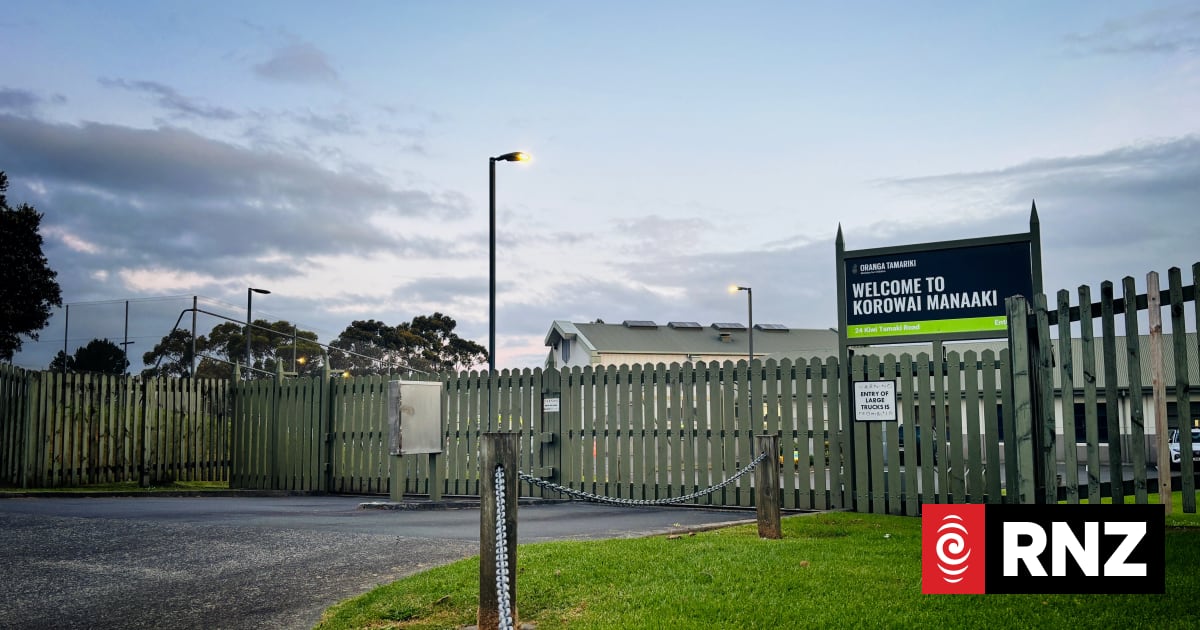
A small fire was detected at Korowai Manaaki, the youth justice facility in Manurewa, and Oranga Tamariki staff alerted emergency services. Reports say a young person could face charges. Those sparse facts sketch a tense scene: an incident at a place charged with both care and custody, where the twin goals of safety and rehabilitation must be kept in balance. When an emergency unfolds inside a youth justice setting, the immediate priority — and the one that Oranga Tamariki staff did right — is the safety of children, staff and the surrounding community. The fact emergency services were alerted speaks to an operational response that prioritised containment. But the moment that the dust settles, hard questions follow about how and why such incidents occur in the first place, how they are prevented, and how the system responds in ways that both protect the public and support the young people involved. The talk of charges against a young person invites a familiar and fraught debate. The public instinct is to demand accountability; that is understandable. Communities want to feel safe and expect consequences when behaviour crosses legal lines. At the same time, youth justice exists precisely because young people are developmentally distinct from adults — they are often shaped by trauma, instability and unmet needs. Charging a young person is a serious step that should not foreclose the possibility of addressing underlying issues that contribute to offending behaviour. This is not an argument against accountability. It is an argument for proportionality. The justice system has tools to impose consequences while also focusing on rehabilitation — interventions that reduce the risk of reoffending and help young people find alternatives to harmful choices. A reflexive turn to punitive measures alone risks entrenching cycles that make our communities less safe in the long run. There are also operational considerations for the agencies responsible. Small fires might be accidental or deliberate; distinguishing between those requires careful investigation. Policies governing supervision, staff training, incident response and facility design should be reviewed in light of any breach. Families, victims and staff all deserve clarity about what happened and what will change to prevent a repeat. Public confidence depends on transparency. Oranga Tamariki and the justice agencies should be as open as they can be, consistent with privacy and legal constraints, about the circumstances and the steps being taken. Local communities want assurance that risks are being managed and that young people are being prepared for a return to constructive life paths. Ultimately, a single incident at Korowai Manaaki should prompt sober reflection rather than fevered headlines. The response must straddle two responsibilities: to hold young people to account where appropriate, and to deliver the rehabilitative support that will reduce future harm. That balance is not easy, but it is essential if the goal is safer communities and better outcomes for young people who have already experienced too much disruption in their lives.
Downunder Voices perspective
Why this matters
The incident affects local safety and raises questions about how youth offending is handled. Residents and families should know that safety procedures worked, that investigations will be thorough, and that the system balances accountability with rehabilitation to reduce future harm.
About this report
Downunder Voices provides an independently written summary and community perspective based on information published by the original source. The original publisher remains responsible for its reporting.
Join our community
Follow Downunder Voices
Join thousands of readers following news and community stories from Australia, New Zealand and the Pacific.