30 October 2026
Ships, ammonia and the freight future: why SFL’s purchases matter to trade-dependent nations
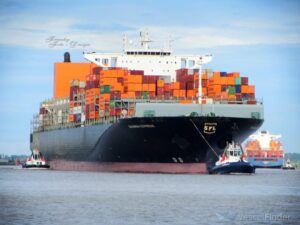
A recent purchase by SFL Corporation — two 8,800 TEU container vessels and a 93,000-cubic-metre dual-fuel Very Large Ammonia Carrier — might sound like an esoteric corporate move. The deal, with deliveries scheduled for 2027 and 2028 and an aggregate price tag of about US$365 million, is more than a balance-sheet item. It is a window into where global shipping is heading and why that direction matters to countries that depend on seaborne trade. Container ships are the arteries of international commerce. The two 8,800 TEU vessels will add capacity when they enter service in 2027, and SFL has secured minimum eight-year time charters for them with a leading liner company, starting on delivery. For exporters and importers, changes in vessel capacity, deployment and charter arrangements influence freight availability and price. While the immediate impacts are shaped by broader market conditions, investments on this scale signal confidence among owners and liners that demand for ocean freight will remain substantial. Equally significant is the acquisition of a dual-fuel ammonia carrier due in 2028. Ammonia as a marine fuel is a nascent but strategically important development as the shipping industry seeks to reduce greenhouse gas emissions. The purchase suggests that shipowners are preparing for fuels beyond conventional bunkers, and that infrastructure, regulatory standards and commercial arrangements will need to catch up. The prospect of very large ammonia carriers entering the fleet raises operational and safety considerations for ports and regulators. Why should Australians and New Zealanders pay attention? Both countries are heavily reliant on shipping for exports and imports. From agricultural commodities to consumer goods, the cost, reliability and decarbonisation of shipping flow through to prices at the supermarket, competitiveness for exporters and the carbon footprint of trade-dependent industries. If the industry is moving towards alternative fuels like ammonia, that transition will require port investments, new safety protocols and clear regulatory frameworks — all of which have cost and timing implications. There are also employment and regional economic implications. Long-term charters can stabilise earnings for shipowners and supply predictability for liner companies, but shifts in vessel types and fuels may change the nature of crewing, maintenance and port services. Governments and industry stakeholders should be preparing now: ports need to assess readiness for ammonia handling, regulators must clarify standards, and training providers should consider the skills that future fleets will demand. SFL’s US$365 million outlay is not just corporate confidence; it is an early signpost of the freight industry’s twin preoccupations — capacity and decarbonisation. For nations whose prosperity rides on the sea, that combination ought to be a national conversation. Planning for new fuels, ensuring resilient shipping capacity and managing the transition in a way that protects trade and jobs are practical policy tasks. Watching the delivery schedules and charter commencements in 2027–28 will tell us much about how quickly that conversation is translating into reality.
Downunder Voices perspective
Why this matters
Explains how SFL’s acquisition of container ships and a dual-fuel ammonia carrier affects freight capacity, costs and the transition to low-emission fuels—issues that influence prices and jobs in Australia and New Zealand.
About this report
Downunder Voices provides an independently written summary and community perspective based on information published by the original source. The original publisher remains responsible for its reporting.
Join our community
Follow Downunder Voices
Join thousands of readers following news and community stories from Australia, New Zealand and the Pacific.