31 October 2026
Small fire at a youth justice facility should prompt sober thinking about safety and rehabilitation
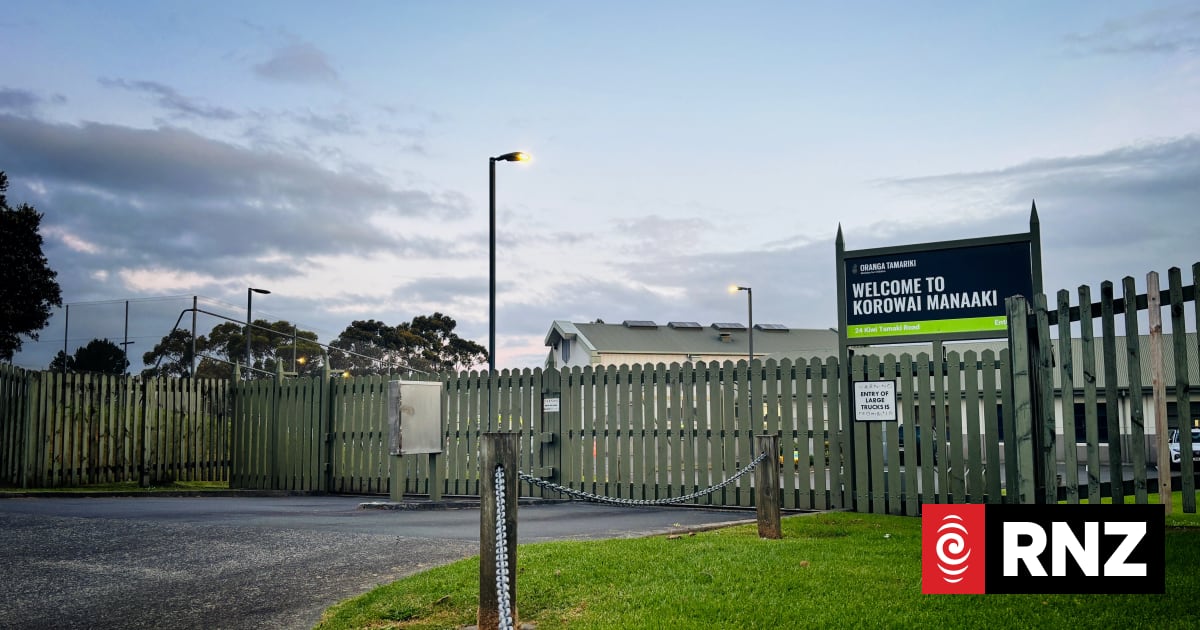
Oranga Tamariki staff alerted emergency services after a small fire was detected at Korowai Manaaki in Manurewa. A young person could face charges over the incident. Those are the basic facts. On that foundation we need a calm public conversation about what we expect from youth justice facilities and how communities balance safety, accountability and rehabilitation. Any fire inside a youth justice centre — however small — raises immediate concerns about the safety of residents and staff. The quick alert to emergency services suggests the centre’s staff did the right thing in responding. That is to be acknowledged. It also points to the everyday risks that come with caring for vulnerable, sometimes volatile young people in a custodial setting. The prospect of criminal charges for a young person involved in a fire is part of the system of accountability. But charges are only one piece of the puzzle. The public should ask whether the facility has the resources and routines needed to prevent such incidents in the first place, and whether there are adequate supports to address the underlying issues that lead young people into confrontational or destructive behaviour. Youth justice centres exist because some young people pose risks to themselves or others and require secure supervision. But their purpose is not only containment; it is rehabilitation. When a centre becomes the site of repeated incidents, it is a signal that more investment is required — not just in infrastructure and staffing, but in education, mental health and behavioural supports tailored to young people. For the community in Manurewa and beyond, there are two clear responsibilities. First, to demand transparency about safety: families and neighbours deserve reassurance that incidents are handled promptly and lessons are learned. Second, to insist that our responses prioritise getting young people the help they need so they do not reoffend. Punishment without support rarely serves the public interest in the long run. Public debate can sometimes harden into an either/or — strict punishment versus soft rehabilitation. The facts in this case push us to reject that binary. A young person who may face charges for a small fire also needs access to programmes that tackle the causes of offending: trauma, addiction, failed education or lack of stable housing. Without those supports, custody may become a revolving door. Oranga Tamariki staff acted quickly in this incident; emergency services were called when the fire was detected. Now politicians, policymakers and local communities must follow through. That means assessing whether Korowai Manaaki and similar facilities have what they need to be safe and effective, ensuring accountability where appropriate, and providing the rehabilitation pathways that protect the public and offer young people a chance to change. Local trust is fragile. When it comes to our youth and public safety, the community is entitled to clear answers and steady improvement, not slogans. A small fire can be a small event — or it can be a warning. How we respond will determine which it becomes.
Downunder Voices perspective
Why this matters
Breaks down why a small fire and potential charges at a youth facility matter locally: safety, transparency and the need for rehabilitation, not just punishment.
About this report
Downunder Voices provides an independently written summary and community perspective based on information published by the original source. The original publisher remains responsible for its reporting.
Join our community
Follow Downunder Voices
Join thousands of readers following news and community stories from Australia, New Zealand and the Pacific.