31 October 2026
Limpet mines in the Strait of Hormuz: a worrying development for shipping and regional security
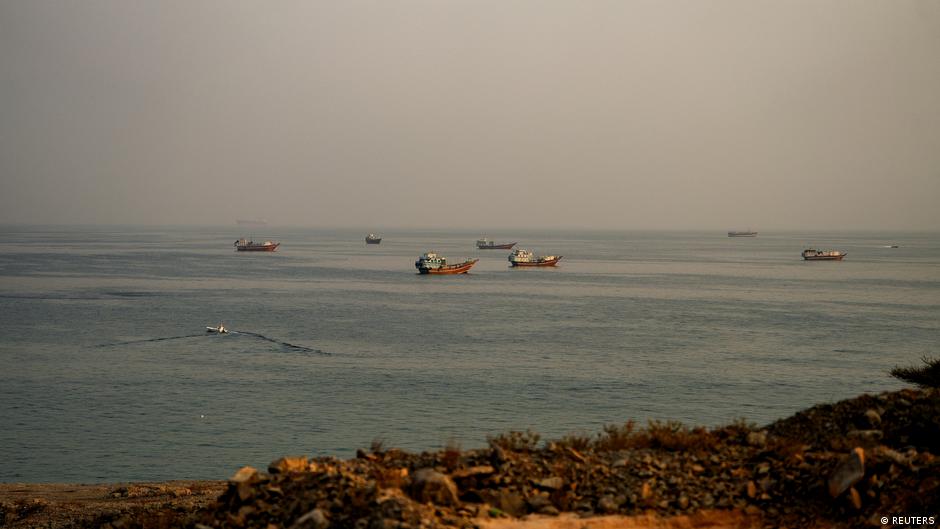
Two vessels carrying Indian crew members have been attacked in the Strait of Hormuz over the past two days. The attack on a tanker is the first known recent use of limpet mines in that waterway. Those facts are straightforward and uncomfortable: a vital shipping lane is seeing new tactics that endanger crew and cargo. The Strait of Hormuz is one of the world’s most important maritime chokepoints. When commercial vessels are endangered, the consequences ripple outward: insurance costs climb, shipping companies reroute, and the global supply of fuel and goods feels the pressure. Even when the immediate targets are ships with particular national crews, the broader effect is to make seafaring in the area more hazardous for everyone. That the recent tanker attack involved limpet mines is especially notable. Mines attached to hulls are a maritime threat that can cause catastrophic damage and significant danger to crews. The fact that this is the first known recent use of such devices in the Strait suggests a troubling escalation in tactics. Escalation like this forces governments, shipping lines and insurers to reassess risks and responses. For countries in the Indo-Pacific — including Australia and New Zealand — the safety of global sea lanes is a strategic concern as much as a commercial one. Our economies rely on the free flow of goods and energy; disruptions in a major artery like the Strait of Hormuz will have effects on markets, fuel prices and shipping schedules, even if those effects are delayed or mediated by other factors. Governments and maritime operators must respond on several fronts. Intelligence and policing at sea need to be sharpened; vessel crews require updated guidance on threat avoidance and emergency procedures; and diplomatic channels must be used to press for cooperation among states that have influence in or around the waterway. The safety of merchant sailors — and their right to work without fear of attack — is a humanitarian concern as well as an economic one. The attacks on vessels with Indian crew members also underline how transnational the risk is. Crews worldwide sail through the Strait; an incident that affects one nationality’s seafarers can quickly become a concern for many more. That should encourage a coordinated international response rather than isolated national reactions. How governments choose to respond will be watched closely. Heavy-handed measures can inflame tensions; inaction risks emboldening those who would threaten maritime commerce. Practical, proportionate steps that enhance surveillance, protect ships and pursue accountability for attacks are the immediate need. For ordinary readers, the takeaway is not to panic but to pay attention: when sea lanes are threatened, the outcomes are felt onshore in the form of market volatility and potential supply disruptions. The recent attacks in the Strait of Hormuz are a reminder that in an interconnected world, security far from our shores can matter very much to life at home.
Downunder Voices perspective
Why this matters
Explains why attacks in the Strait of Hormuz matter to Australian and New Zealand readers: shipping, fuel, crew safety and the need for coordinated international action.
About this report
Downunder Voices provides an independently written summary and community perspective based on information published by the original source. The original publisher remains responsible for its reporting.
Join our community
Follow Downunder Voices
Join thousands of readers following news and community stories from Australia, New Zealand and the Pacific.