☀ WEATHER● RADIOAdvertise
DVDOWNUNDERVOICESAustralia · New Zealand · World
Back to New Zealand
New Zealand

31 October 2026

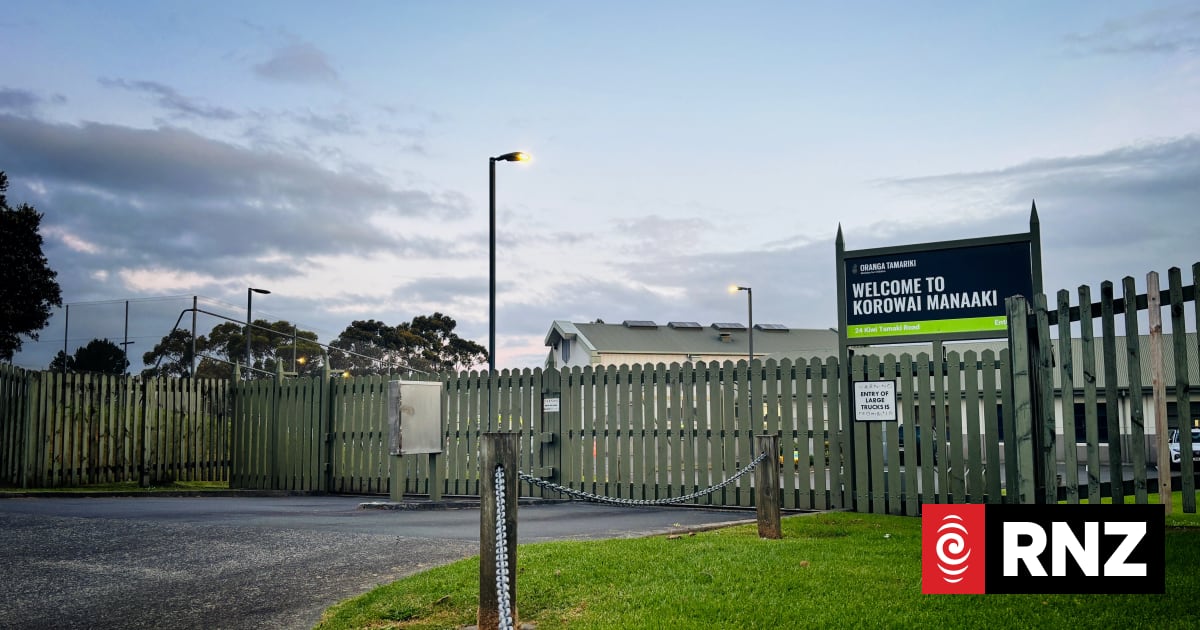
Young person could face charges after fire in South Auckland youth justice facility

Downunder Voices Newsroom

Source reporting: rnz.co.nz

Young person could face charges after fire in South Auckland youth justice facility

Oranga Tamariki staff alerted emergency services after a small fire was detected at Korowai Manaaki in Manurewa.

About this report

Downunder Voices provides an independently written summary and community perspective based on information published by the original source. The original publisher remains responsible for its reporting.

Join our community

Follow Downunder Voices

Join thousands of readers following news and community stories from Australia, New Zealand and the Pacific.


More from New Zealand

View category

Read Next

View latest
Downunder Voices Original

31 October 2026

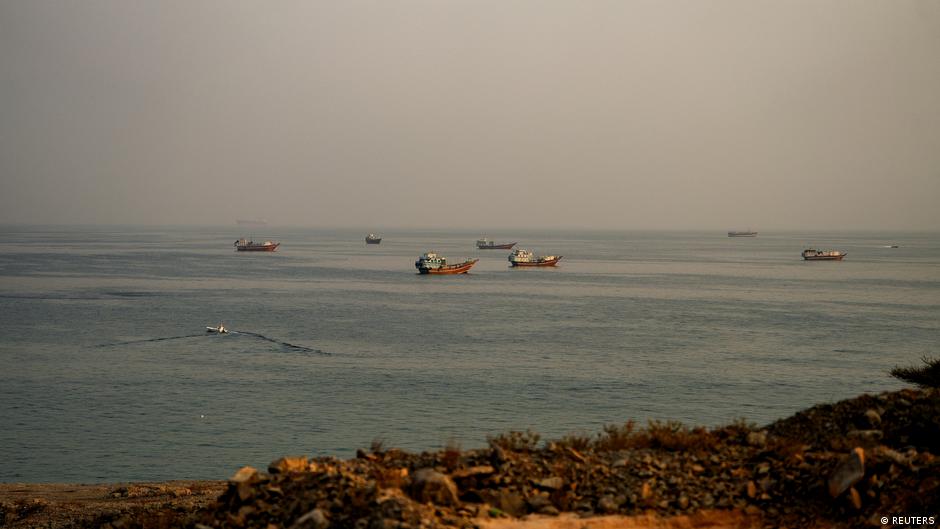
Limpet mines in the Strait of Hormuz: a worrying development for shipping and regional security

Two vessels carrying Indian crew members have been attacked in the Strait of Hormuz over the past two days. The attack on a tanker is the first known recent use of limpet mines in that waterway. Those facts are straightforward and uncomfortable: a vital shipping lane is seeing new tactics that endanger crew and cargo. The Strait of Hormuz is one of the world’s most important maritime chokepoints. When commercial vessels are endangered, the consequences ripple outward: insurance costs climb, shipping companies reroute, and the global supply of fuel and goods feels the pressure. Even when the immediate targets are ships with particular national crews, the broader effect is to make seafaring in the area more hazardous for everyone. That the recent tanker attack involved limpet mines is especially notable. Mines attached to hulls are a maritime threat that can cause catastrophic damage and significant danger to crews. The fact that this is the first known recent use of such devices in the Strait suggests a troubling escalation in tactics. Escalation like this forces governments, shipping lines and insurers to reassess risks and responses. For countries in the Indo-Pacific — including Australia and New Zealand — the safety of global sea lanes is a strategic concern as much as a commercial one. Our economies rely on the free flow of goods and energy; disruptions in a major artery like the Strait of Hormuz will have effects on markets, fuel prices and shipping schedules, even if those effects are delayed or mediated by other factors. Governments and maritime operators must respond on several fronts. Intelligence and policing at sea need to be sharpened; vessel crews require updated guidance on threat avoidance and emergency procedures; and diplomatic channels must be used to press for cooperation among states that have influence in or around the waterway. The safety of merchant sailors — and their right to work without fear of attack — is a humanitarian concern as well as an economic one. The attacks on vessels with Indian crew members also underline how transnational the risk is. Crews worldwide sail through the Strait; an incident that affects one nationality’s seafarers can quickly become a concern for many more. That should encourage a coordinated international response rather than isolated national reactions. How governments choose to respond will be watched closely. Heavy-handed measures can inflame tensions; inaction risks emboldening those who would threaten maritime commerce. Practical, proportionate steps that enhance surveillance, protect ships and pursue accountability for attacks are the immediate need. For ordinary readers, the takeaway is not to panic but to pay attention: when sea lanes are threatened, the outcomes are felt onshore in the form of market volatility and potential supply disruptions. The recent attacks in the Strait of Hormuz are a reminder that in an interconnected world, security far from our shores can matter very much to life at home.

Downunder Voices
Downunder Voices Original

31 October 2026

Small fire at a youth justice facility should prompt sober thinking about safety and rehabilitation

Oranga Tamariki staff alerted emergency services after a small fire was detected at Korowai Manaaki in Manurewa. A young person could face charges over the incident. Those are the basic facts. On that foundation we need a calm public conversation about what we expect from youth justice facilities and how communities balance safety, accountability and rehabilitation. Any fire inside a youth justice centre — however small — raises immediate concerns about the safety of residents and staff. The quick alert to emergency services suggests the centre’s staff did the right thing in responding. That is to be acknowledged. It also points to the everyday risks that come with caring for vulnerable, sometimes volatile young people in a custodial setting. The prospect of criminal charges for a young person involved in a fire is part of the system of accountability. But charges are only one piece of the puzzle. The public should ask whether the facility has the resources and routines needed to prevent such incidents in the first place, and whether there are adequate supports to address the underlying issues that lead young people into confrontational or destructive behaviour. Youth justice centres exist because some young people pose risks to themselves or others and require secure supervision. But their purpose is not only containment; it is rehabilitation. When a centre becomes the site of repeated incidents, it is a signal that more investment is required — not just in infrastructure and staffing, but in education, mental health and behavioural supports tailored to young people. For the community in Manurewa and beyond, there are two clear responsibilities. First, to demand transparency about safety: families and neighbours deserve reassurance that incidents are handled promptly and lessons are learned. Second, to insist that our responses prioritise getting young people the help they need so they do not reoffend. Punishment without support rarely serves the public interest in the long run. Public debate can sometimes harden into an either/or — strict punishment versus soft rehabilitation. The facts in this case push us to reject that binary. A young person who may face charges for a small fire also needs access to programmes that tackle the causes of offending: trauma, addiction, failed education or lack of stable housing. Without those supports, custody may become a revolving door. Oranga Tamariki staff acted quickly in this incident; emergency services were called when the fire was detected. Now politicians, policymakers and local communities must follow through. That means assessing whether Korowai Manaaki and similar facilities have what they need to be safe and effective, ensuring accountability where appropriate, and providing the rehabilitation pathways that protect the public and offer young people a chance to change. Local trust is fragile. When it comes to our youth and public safety, the community is entitled to clear answers and steady improvement, not slogans. A small fire can be a small event — or it can be a warning. How we respond will determine which it becomes.

Downunder Voices
Downunder Voices Original

31 October 2026

When a preventable illness lands an Adelaide adult fighting for life, the whole community should listen

An Adelaide adult is fighting for their life with meningococcal disease and health authorities have identified multiple close contacts. That stark fact is all it takes to remind us that infectious illness is not a private problem; it is a public one. For the person in hospital and for their family, this is a crisis. For neighbours, colleagues and friends who have been named as close contacts, it is an anxious wait. For the wider public, it should be a prompt to pay attention to official health alerts and to treat them seriously. The words used in the reporting — “fighting for life” and “multiple close contacts identified” — are not chosen lightly. They show how quickly an individual case can ripple out and demand a response from both the health system and the community. Public health responses to infections like this are straightforward in concept: identify contacts, assess risk, treat where necessary and inform people so they can act. In practice, they depend on trust and cooperation. People named as close contacts must answer calls from health authorities, seek assessment if advised, and follow instructions. That cooperation is the single most effective act of solidarity in these circumstances: it helps protect others, including the household members who are often the most vulnerable. There is also an important role for workplaces, schools and community groups. When a health alert affects a shared environment, managers and leaders must communicate clearly and calmly. Panic and guesswork do more harm than good. Practical, timely information — conveyed with empathy — helps people make sensible choices about seeking care and limiting potential spread. Media coverage, too, has a responsibility. Reporting on individual medical cases should avoid sensationalism while giving readers the facts they need to protect themselves and their families. The reality that health authorities have identified multiple close contacts is a critical detail; it tells readers that this is not an isolated incident and that public health follow-up is under way. For ordinary readers, the immediate takeaway is modest but meaningful: heed alerts, check in with household members and act promptly if advised. That includes seeking medical attention if someone develops worrying symptoms and cooperating with health professionals who contact you. Small acts of vigilance can prevent suffering and reduce strain on hospitals. Beyond the immediate response, episodes like this underline the value of being prepared as a community. That means maintaining strong relationships with local health services, supporting public-health messaging, and not dismissing warnings because they feel inconvenient. Illnesses that require contact tracing do not wait for the perfect time to arrive; they exploit routine social patterns and ordinary human generosity. The best defence is an everyday habit of taking public-health advice seriously. No one wants to read that a member of our community is gravely ill. But the fact that authorities have identified close contacts should not be read as an alarm bell only for those directly named. It should be understood as a civic reminder: when infectious disease threatens one person, it can touch many. Acting collectively, calmly and quickly protects lives.

Downunder Voices