● RADIOAdvertise with us
DOWNUNDERVOICESAustralia · New Zealand · World
Back to Trade & Logistics
Trade & Logistics

6 September 2026

How war-risk insurance became the real front line in the Gulf crisis

Downunder Voices Newsroom

Source reporting: Container News

How war-risk insurance became the real front line in the Gulf crisis

For six months, Saudi Arabia has been trying to outrun a single number: the price of insuring a ship. This content is locked Select a CN Premium Subscription Package To Unlock The Content! Remember Me Lost your password? Don't have an account? Register The post How war-risk insurance became the real front line in the Gulf crisis appeared first on Container News .

About this report

Downunder Voices provides an independently written summary and community perspective based on information published by the original source. The original publisher remains responsible for its reporting.

Join our community

Follow Downunder Voices

Join thousands of readers following news and community stories from Australia, New Zealand and the Pacific.

More from Trade & Logistics

View category

6 September 2026

Borderlands Mexico: Trucker protest raises stakes in Mexico-US B-1 visa dispute

Borderlands Mexico is a weekly rundown of developments in the world of United States-Mexico cross-border trucking and trade. This week in Borderlands Mexico: Trucker protest raises stakes in Mexico-US B-1 visa dispute; CBP announces extended-hours program for empty trailers at Laredo bridge; and Imperative Logistics expands El Paso footprint with RM Customhouse Brokers deal. Trucker protest raises stakes in Mexico-US B-1 visa dispute Trucking industry leaders in Mexico are intensifying calls for U. S. officials to clarify how B-1 visa rules are being enforced against cross-border truck drivers, warning that continued uncertainty could disrupt freight flows between Mexico and the United States.

Source: FreightWavesOriginal source

6 September 2026

CMA CGM announces new FAK rates and surcharges from October

CMA CGM has announced a series of freight rate and surcharge changes across several trades, effective 1 October 2026 . The measures include new Freight All Kinds (FAK) rates from the East Coast of South America. The carrier will also introduce Rate Restoration Initiatives (RRI) and Peak Season Surcharges (PSS) on other trades. New FAK rates from East Coast South America CMA CGM will apply new FAK rates from Brazil, excluding Northeast Brazil, as well as Argentina, Uruguay and Paraguay. The rates cover dry cargo moving to North Europe, the Mediterranean, Black Sea, Adriatic, North Africa, Middle East and Red Sea.

Source: Container NewsOriginal source

Read Next

View latest

6 September 2026

South Korea-Australia tech and defence ties: an economic and strategic opening

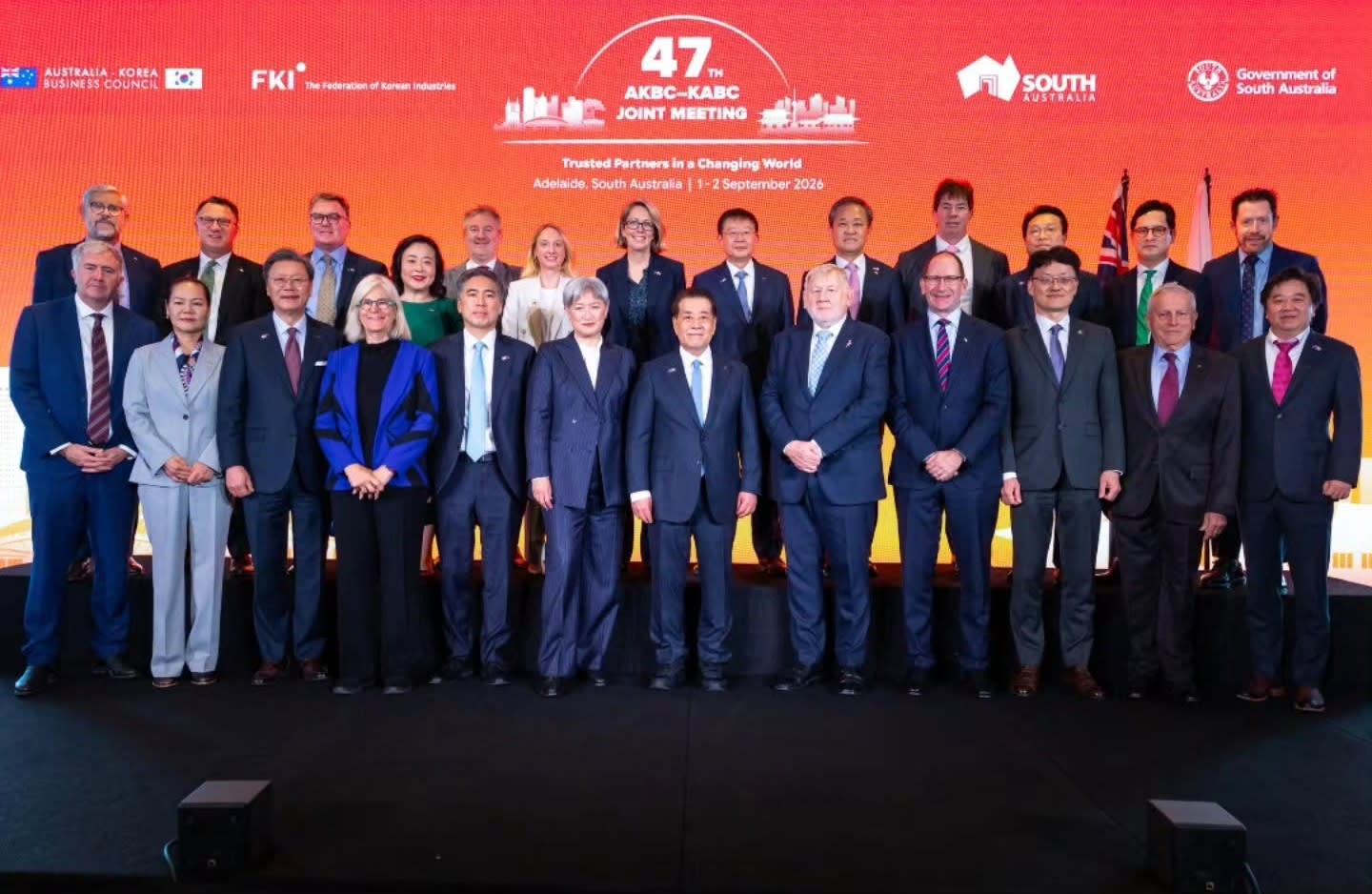
Business leaders from South Korea and Australia have pledged to expand cooperation across advanced industries such as space, artificial intelligence and defence. That compact between two like-minded, technologically capable nations deserves attention: it is both an economic opportunity and a strategic signal in a fast-changing region. For everyday Australians the most immediate benefits will be jobs and investment. Space and AI are growth industries that can generate high-skill employment in engineering, manufacturing, data science and related services. Deeper defence cooperation likewise offers industrial work — not only in assembly but in research, supply chains and maintenance. With the right approach, local firms can move beyond low-margin supplier roles to win work on higher-value systems and software. But realising those gains does not happen by accident. Policymakers must treat such pledges as the start of a program, not a photo opportunity. That means practical things: clear pathways for small and medium enterprises to partner with larger Korean firms; support for workforce retraining so Australians can fill technical roles; and incentives that favour domestic value-add rather than the export of raw contracts overseas. It also means robust export controls, procurement rules and industrial policy that protect sovereign capability while encouraging foreign investment. There are strategic considerations too. Closer ties in defence and space underscore Australia’s place in an Indo-Pacific where technology and security interests increasingly overlap. Collaborations on rockets, satellites or AI-driven systems will strengthen resilience and interoperability between partners. At the same time, such cooperation raises legitimate questions about technology transfer, dual-use risks and the governance of emerging capabilities. Australians should expect transparency about what is being shared, under what safeguards, and how our national security and civil liberties will be protected. Industry leaders and governments on both sides should also be mindful of community standards. AI and space technologies touch everyday life — from how citizens’ data is used to the satellites that enable communications and environmental monitoring. Agreements should include commitments to ethical standards, data protection and clear lines of accountability. That will help build public trust and reduce the risk of backlash when new technologies scale up. Finally, this kind of international industrial engagement is a reminder that economic policy and national security are increasingly entwined. Strengthening our own research base, investing in skills, and shaping procurement to favour innovation will ensure Australians capture a fair share of the value created. South Korea’s advanced manufacturing and tech capacity complement Australia’s strengths in resources, research and services — together there is scope for enduring partnerships that lift both economies. The pledge of cooperation is promising. Its success will depend on honest, strategic work at home: targeted industry policy, workforce investment and safeguards that protect both security and civic values. If Canberra and business get this right, ordinary Australians could see tangible benefits in jobs, investment and a stronger position in regional high-tech value chains.

Community angle

Local workers, SMEs and regional manufacturers stand to gain from contracts and skills development — but need protections and clear pathways to participate in higher-value work.

Source: https://www.bing.com/news/search?q=Australia+business&format=rssOriginal source