6 September 2026
South Korea-Australia tech and defence ties: an economic and strategic opening
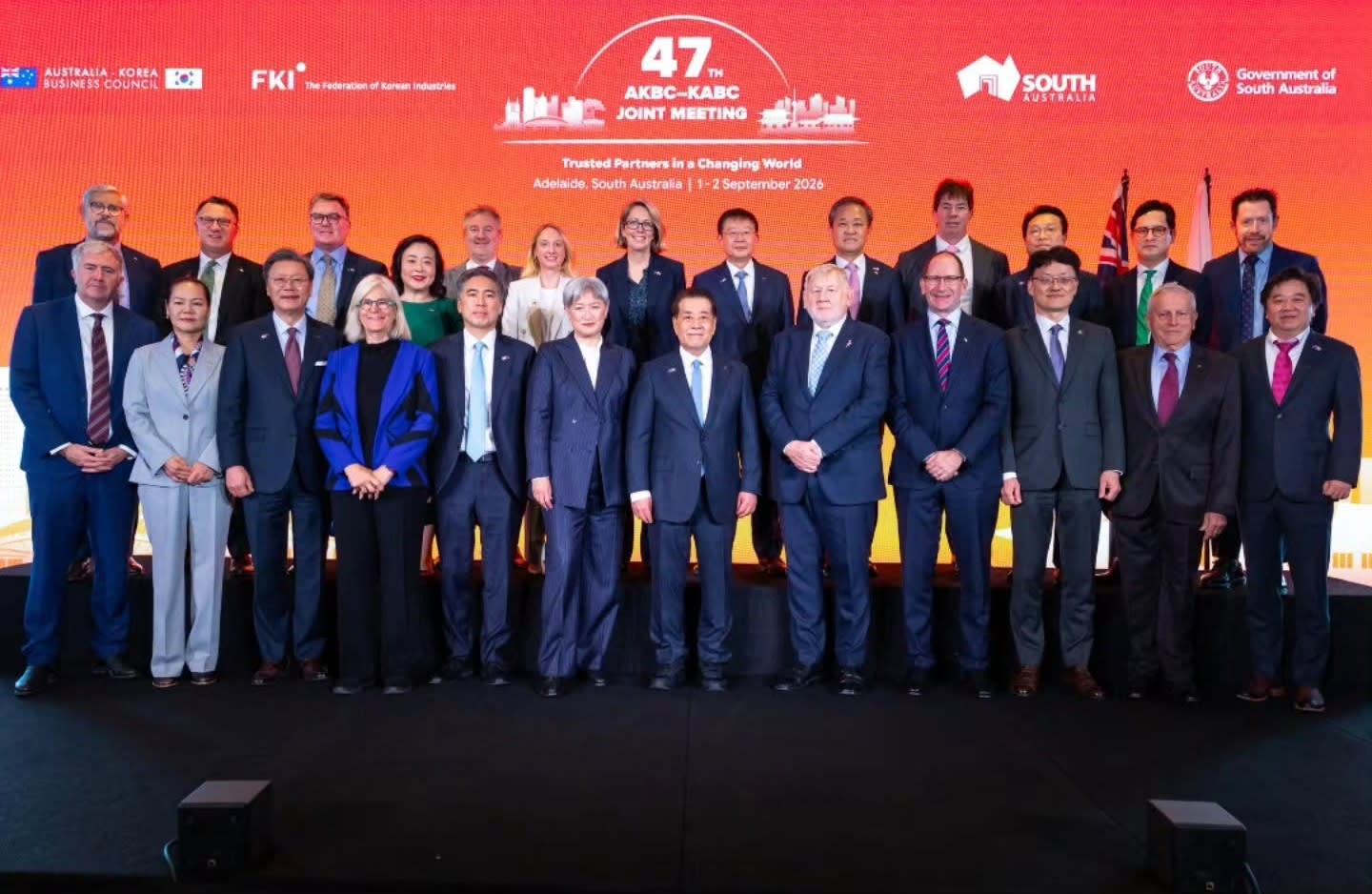
Business leaders from South Korea and Australia have pledged to expand cooperation across advanced industries such as space, artificial intelligence and defence. That compact between two like-minded, technologically capable nations deserves attention: it is both an economic opportunity and a strategic signal in a fast-changing region. For everyday Australians the most immediate benefits will be jobs and investment. Space and AI are growth industries that can generate high-skill employment in engineering, manufacturing, data science and related services. Deeper defence cooperation likewise offers industrial work — not only in assembly but in research, supply chains and maintenance. With the right approach, local firms can move beyond low-margin supplier roles to win work on higher-value systems and software. But realising those gains does not happen by accident. Policymakers must treat such pledges as the start of a program, not a photo opportunity. That means practical things: clear pathways for small and medium enterprises to partner with larger Korean firms; support for workforce retraining so Australians can fill technical roles; and incentives that favour domestic value-add rather than the export of raw contracts overseas. It also means robust export controls, procurement rules and industrial policy that protect sovereign capability while encouraging foreign investment. There are strategic considerations too. Closer ties in defence and space underscore Australia’s place in an Indo-Pacific where technology and security interests increasingly overlap. Collaborations on rockets, satellites or AI-driven systems will strengthen resilience and interoperability between partners. At the same time, such cooperation raises legitimate questions about technology transfer, dual-use risks and the governance of emerging capabilities. Australians should expect transparency about what is being shared, under what safeguards, and how our national security and civil liberties will be protected. Industry leaders and governments on both sides should also be mindful of community standards. AI and space technologies touch everyday life — from how citizens’ data is used to the satellites that enable communications and environmental monitoring. Agreements should include commitments to ethical standards, data protection and clear lines of accountability. That will help build public trust and reduce the risk of backlash when new technologies scale up. Finally, this kind of international industrial engagement is a reminder that economic policy and national security are increasingly entwined. Strengthening our own research base, investing in skills, and shaping procurement to favour innovation will ensure Australians capture a fair share of the value created. South Korea’s advanced manufacturing and tech capacity complement Australia’s strengths in resources, research and services — together there is scope for enduring partnerships that lift both economies. The pledge of cooperation is promising. Its success will depend on honest, strategic work at home: targeted industry policy, workforce investment and safeguards that protect both security and civic values. If Canberra and business get this right, ordinary Australians could see tangible benefits in jobs, investment and a stronger position in regional high-tech value chains.
Downunder Voices perspective
Why this matters
Local workers, SMEs and regional manufacturers stand to gain from contracts and skills development — but need protections and clear pathways to participate in higher-value work.
About this report
This article contains independently written commentary and community perspective from Downunder Voices.
Join our community
Follow Downunder Voices
Join thousands of readers following news and community stories from Australia, New Zealand and the Pacific.