● RADIOAdvertise with us
DOWNUNDERVOICESAustralia · New Zealand · World
Back to Australia
Australia

13 September 2026

Gold Coast Mayor Tom Tate’s Mar-a-Lago dinner with Donald Trump under spotlight

Downunder Voices Newsroom

Gold Coast Mayor Tom Tate’s Mar-a-Lago dinner with Donald Trump under spotlight

Tom Tate, mayor of Australia's glitziest city the Gold Coast, was in the middle of expensive ratepayer-backed trip around the world, the icing of which would be dinner with US President Donald Trump. ...

About this report

This article contains independently written commentary and community perspective from Downunder Voices.

Join our community

Follow Downunder Voices

Join thousands of readers following news and community stories from Australia, New Zealand and the Pacific.

More from Australia

View category

Read Next

View latest

13 September 2026

Queensland’s proposed mega data centre forces a reckoning on energy planning

A proposed $30 billion data centre with a peak electricity demand comparable to 1.5 million households, and the potential to consume about a quarter of Queensland’s energy, is not just another industrial development. It is a stress test for energy planning, market design and community expectations. Data centres are an integral part of the modern economy. They underpin cloud services, streaming, banking and government IT. But their scale matters. When a single proposal threatens to use a share of electricity on par with a major city, it raises questions about who benefits, who pays and how governments and grid operators manage competing needs. For ordinary Queenslanders this is not an abstract debate. Large new loads can push up wholesale prices at times, complicate reliability planning and demand new transmission or generation investment. If the centre is powered from the grid without additional firm low‑emissions supply, households and local businesses could face higher bills or constrained supply when peak demand coincides with generation shortfalls. The community will rightly ask whether local infrastructure upgrades are being properly costed and who will bear those costs. There are potential upsides: economic activity, jobs during construction and perhaps long‑term business rates. But those benefits must be weighed against the demands on electricity networks and the state’s decarbonisation commitments. If data centres are to expand sustainably, governments must insist on credible plans for additional supply that align with emissions targets — whether that is new renewable generation, firming capacity, dedicated transmission or long‑term power purchase agreements. This is also a planning question about fairness. Communities hosting large energy users should not be left with the risks of higher prices or reduced reliability while profits flow elsewhere. State and federal governments should require developers to demonstrate how they will mitigate network impacts and contribute to the public good: community benefit schemes, investment in local grid upgrades, or commitments to use new renewable supply rather than existing capacity. Regulators have a role too. Planning settings and market frameworks should provide signals that large new loads must coordinate with system needs. That could mean staged connections, conditional approvals tied to delivery of new generation, or pricing mechanisms that reflect the system costs of bringing capacity to where it is needed. Queensland has every reason to welcome new investment — but not at the expense of households and long‑term energy security. The proposed data centre should prompt a clear public conversation about how the state manages big users of power in an era when electricity is both an economic input and a climate policy lever. The choice should not be between growth and the grid. It should be about how to grow with responsibility.

Community angle

Local electricity consumers risk higher bills and strained networks if massive new energy users proceed without binding plans for additional supply or community compensation. Residents deserve transparent planning and protections.

Source: https://www.bing.com/news/search?q=Australia&qft=sortbydate%3d%221%22&format=rssOriginal source

13 September 2026

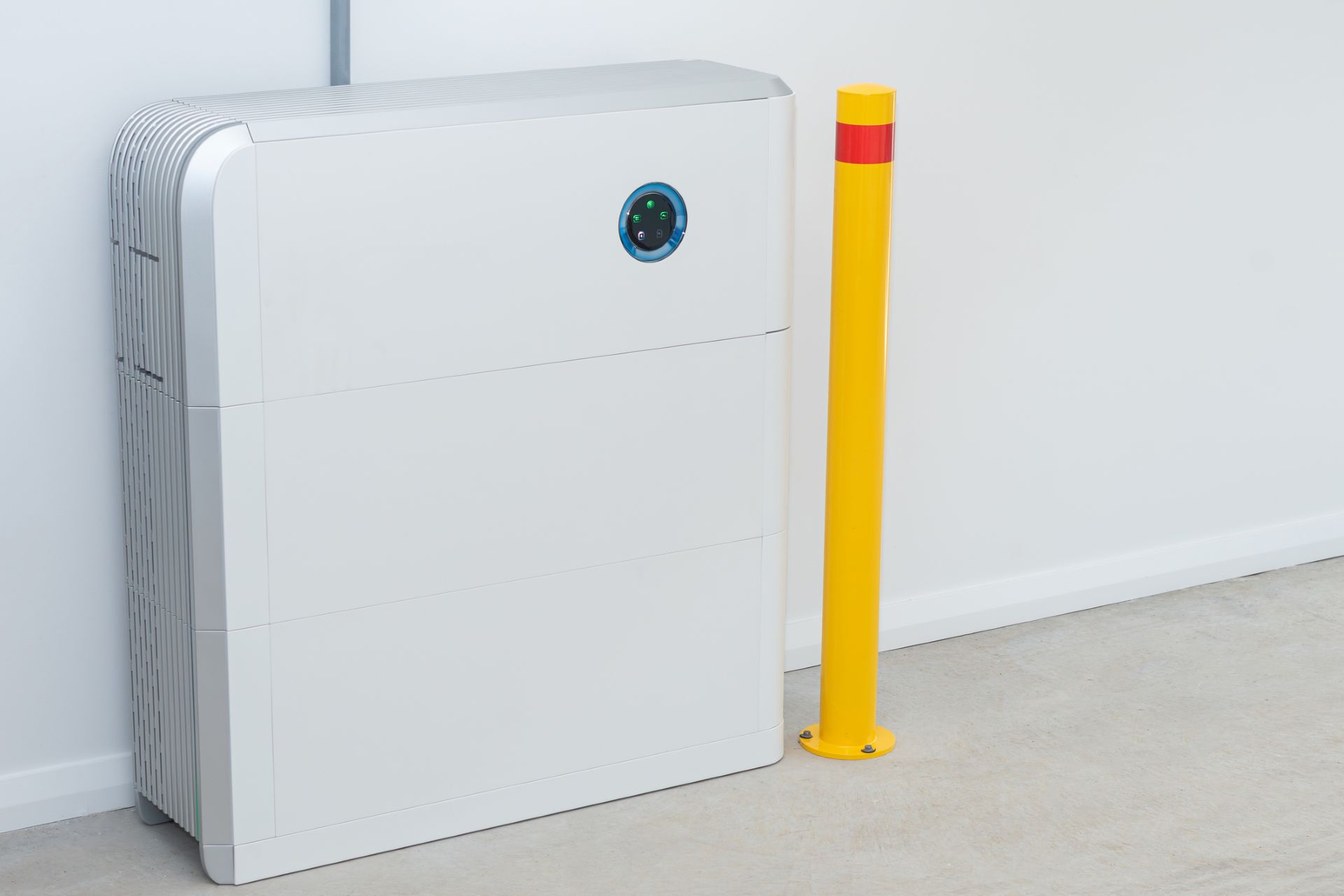
Rebates can’t be a backdoor for substandard home batteries

Australia’s transition to rooftop solar and home storage depends on consumer confidence as much as it does on technology. The Clean Energy Council’s move to threaten suspension of seven low‑cost Neovolt home battery models from the federal rebate program over compliance problems is a necessary, if uncomfortable, reminder of that simple fact. If households are to electrify their homes and trust new technologies, the incentives we use to speed that shift must also guard standards. Rebate schemes are meant to lower the upfront cost, not to shift risk onto households or installers. The Clean Energy Council’s action — to make rebate eligibility conditional on resolving compliance issues — is a measured step: it preserves the integrity of the program while giving manufacturers an opportunity to meet the rules. Governments, industry bodies and retailers should see this as an opportunity to tighten procurement and testing processes, not as a technicality to be skirted. Why this matters to ordinary households is obvious. Home batteries are not like a kettle or toaster; they sit at the heart of a home’s electrical system and interact with rooftop solar, inverters and the mains. A battery that does not comply with safety or performance standards can lead to system failures, costly retrofits or, worst of all, safety hazards. Beyond individual consequences there is a collective risk: a spate of poor‑quality installations under a popular rebate could erode public trust in home storage and slow Australia’s broader electrification push. That would be costly — in dollars and in delayed emissions reductions. There are also practical impacts for the installers, small businesses and households who have already signed contracts. Suspension of models from rebate eligibility can disrupt projects and finances. That is why enforcement must be fair, transparent and swift: give suppliers a clear timeline and tests they must meet, and ensure customers are protected where faults are found. The Clean Energy Council, the federal rebate administrators and consumer protection agencies should coordinate on warnings, remediation pathways and, if necessary, recalls. At the same time, policymakers should not treat this as an argument against subsidies. The promise — and the economics — of household electrification are real: some reporting suggests families can save thousands by switching to electric vehicles and electric heating. But subsidies must be paired with robust compliance frameworks, reliable certification and clear information for consumers. That means better premarket testing, stronger requirements for warranty and after‑sales support, and clear labelling so households can make informed choices. If Australia wants households to embrace electrification, it must insist that the products it promotes are safe and reliable. The Clean Energy Council’s stance is an important reminder that accelerating the energy transition requires both ambition and discipline. Consumers who invest in clean energy deserve governments and industry that will defend them from shortcuts disguised as bargains.

Community angle

Households buying home batteries need assurance their purchases are safe and supported. Local installers and small businesses require certainty about rebate rules, while communities depend on consistent standards to sustain confidence in the clean energy transition.

Source: https://www.bing.com/news/search?q=Australia&qft=sortbydate%3d%221%22&format=rssOriginal source