13 September 2026
Rebates can’t be a backdoor for substandard home batteries
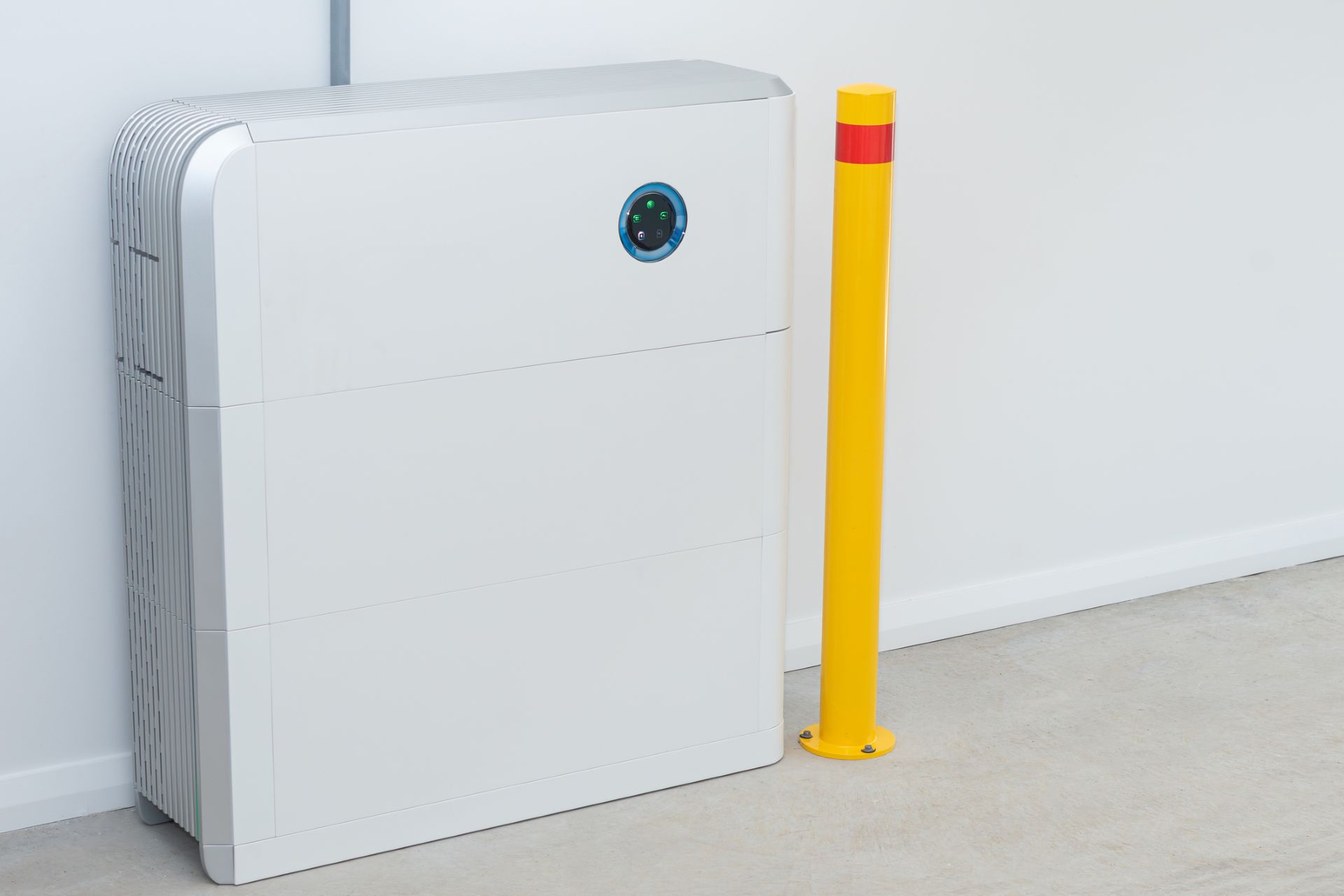
Australia’s transition to rooftop solar and home storage depends on consumer confidence as much as it does on technology. The Clean Energy Council’s move to threaten suspension of seven low‑cost Neovolt home battery models from the federal rebate program over compliance problems is a necessary, if uncomfortable, reminder of that simple fact. If households are to electrify their homes and trust new technologies, the incentives we use to speed that shift must also guard standards. Rebate schemes are meant to lower the upfront cost, not to shift risk onto households or installers. The Clean Energy Council’s action — to make rebate eligibility conditional on resolving compliance issues — is a measured step: it preserves the integrity of the program while giving manufacturers an opportunity to meet the rules. Governments, industry bodies and retailers should see this as an opportunity to tighten procurement and testing processes, not as a technicality to be skirted. Why this matters to ordinary households is obvious. Home batteries are not like a kettle or toaster; they sit at the heart of a home’s electrical system and interact with rooftop solar, inverters and the mains. A battery that does not comply with safety or performance standards can lead to system failures, costly retrofits or, worst of all, safety hazards. Beyond individual consequences there is a collective risk: a spate of poor‑quality installations under a popular rebate could erode public trust in home storage and slow Australia’s broader electrification push. That would be costly — in dollars and in delayed emissions reductions. There are also practical impacts for the installers, small businesses and households who have already signed contracts. Suspension of models from rebate eligibility can disrupt projects and finances. That is why enforcement must be fair, transparent and swift: give suppliers a clear timeline and tests they must meet, and ensure customers are protected where faults are found. The Clean Energy Council, the federal rebate administrators and consumer protection agencies should coordinate on warnings, remediation pathways and, if necessary, recalls. At the same time, policymakers should not treat this as an argument against subsidies. The promise — and the economics — of household electrification are real: some reporting suggests families can save thousands by switching to electric vehicles and electric heating. But subsidies must be paired with robust compliance frameworks, reliable certification and clear information for consumers. That means better premarket testing, stronger requirements for warranty and after‑sales support, and clear labelling so households can make informed choices. If Australia wants households to embrace electrification, it must insist that the products it promotes are safe and reliable. The Clean Energy Council’s stance is an important reminder that accelerating the energy transition requires both ambition and discipline. Consumers who invest in clean energy deserve governments and industry that will defend them from shortcuts disguised as bargains.
Downunder Voices perspective
Why this matters
Households buying home batteries need assurance their purchases are safe and supported. Local installers and small businesses require certainty about rebate rules, while communities depend on consistent standards to sustain confidence in the clean energy transition.
About this report
This article contains independently written commentary and community perspective from Downunder Voices.
Join our community
Follow Downunder Voices
Join thousands of readers following news and community stories from Australia, New Zealand and the Pacific.