4 November 2026
Class 8 truck orders plunge 36% as EPA uncertainty rattles fleets
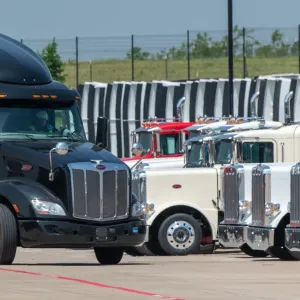
North American Class 8 truck orders tumbled 36% year over year in October, signaling a surprisingly weak start to the 2027 order season. Trucking fleets are grappling with regulatory uncertainty , rising equipment costs and pressure on operating margins, according to data released Wednesday by FTR Transportation Intelligence. Dan Moyer, FTR’s senior analyst for commercial vehicles, said fleets may be shifting their capital spending priorities toward trailers instead of tractors in the near term. He also noted that higher operating expenses continue to challenge carriers despite improvements in freight pricing. “Also, while freight rates are strong, so are costs for fuel, insurance, and labor, pressuring margins and possibly limiting purchases for now,” Moyer said.
About this report
Downunder Voices provides an independently written summary and community perspective based on information published by the original source. The original publisher remains responsible for its reporting.
Join our community
Follow Downunder Voices
Join thousands of readers following news and community stories from Australia, New Zealand and the Pacific.