7 September 2026
Townsville’s SAF plant is a win — but Australia must turn one project into an industry
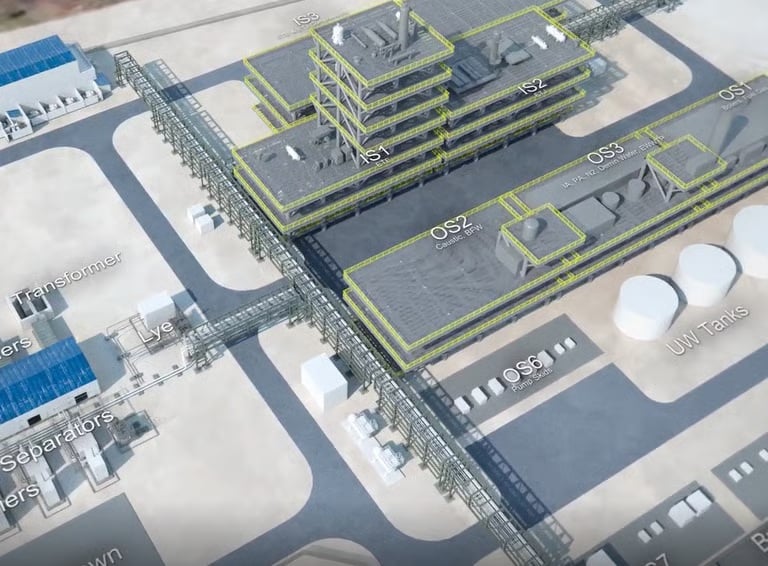
Jet Zero Australia’s announcement that it has secured A$30 million and final development approval for a sustainable aviation fuel (SAF) production facility in Townsville is exactly the sort of practical progress the country needs on decarbonisation. It is a vote of confidence in regional manufacturing, in Australian engineering and in the possibility that our aviation sector can begin to shrink its emissions without grounding a generation of travellers. That said, the Townsville development should be treated as the start of a program, not its end. Ordinary Australians will welcome news of local investment. A regional SAF plant promises jobs, local contracts and an industrial anchor that can help diversify economies outside our biggest cities. It also speaks to a broader national interest: aviation is one of the harder-to-decarbonise parts of our economy. Fuels that can drop into existing aircraft are one of the most straightforward ways to cut aviation emissions without waiting for entirely new aircraft types. But the scale of the climate and industry challenge matters. One plant, however well funded and strategically located, will not by itself transform airline emissions or make flying carbon-neutral. If SAF is to make a measurable difference it needs to be produced at volume, sustained by reliable feedstocks, and supported by transparent accounting that shows genuine lifecycle emissions reductions. That is a policy and regulatory challenge as much as an engineering one. The federal and state governments should see the Townsville approval as an opportunity to design rules and incentives that turn early movers into a competitive domestic sector. That means clear standards on what counts as SAF, incentives that reward high-integrity fuels, and careful scrutiny of feedstocks so the pathway does not simply shift emissions elsewhere. It also means ensuring the infrastructure—ports, transport links, utilities and skilled labour—can scale without choking local communities. Public money and approvals should be used to de-risk projects that are demonstrably credible, not to prop up ventures that lack clear delivery plans. Taxpayers and regional communities have a legitimate right to expect careful oversight: investment should lead to sustained local benefits rather than short-lived construction booms. For travellers and consumers, the pathway to lower-emissions aviation will play out over a long horizon. SAF alone will not cancel the need for better air traffic management, more efficient aircraft or a broader rethink of which journeys are necessary. But it is a practical, near-term lever. For a country as vast and regionally connected as Australia, that matters: we rely on aviation for business, tourism and social connection across great distances. If Townsville becomes a successful demonstration, the next step must be replication. Governments should avoid ad hoc grants and instead create a predictable policy environment that encourages private capital to scale SAF capacity across multiple sites and feedstocks. That will give ordinary Australians not only the pride of hosting cutting-edge industry but the real-world benefits of jobs, local investment and a clearer national path to lower emissions. Jet Zero’s Townsville project is cause for cautious optimism. Now policymakers, industry and communities must work together to ensure it is the first of many, and not an isolated headline.
Downunder Voices perspective
Why this matters
Local jobs and a cleaner aviation future are tangible benefits for Townsville and regional Australia; but the community should expect clear standards and a broader national strategy to ensure long-term gains.
About this report
This article contains independently written commentary and community perspective from Downunder Voices.
Join our community
Follow Downunder Voices
Join thousands of readers following news and community stories from Australia, New Zealand and the Pacific.