20 July 2026
The Pacific Shipping Monopoly: Is Competition Being Left Behind?
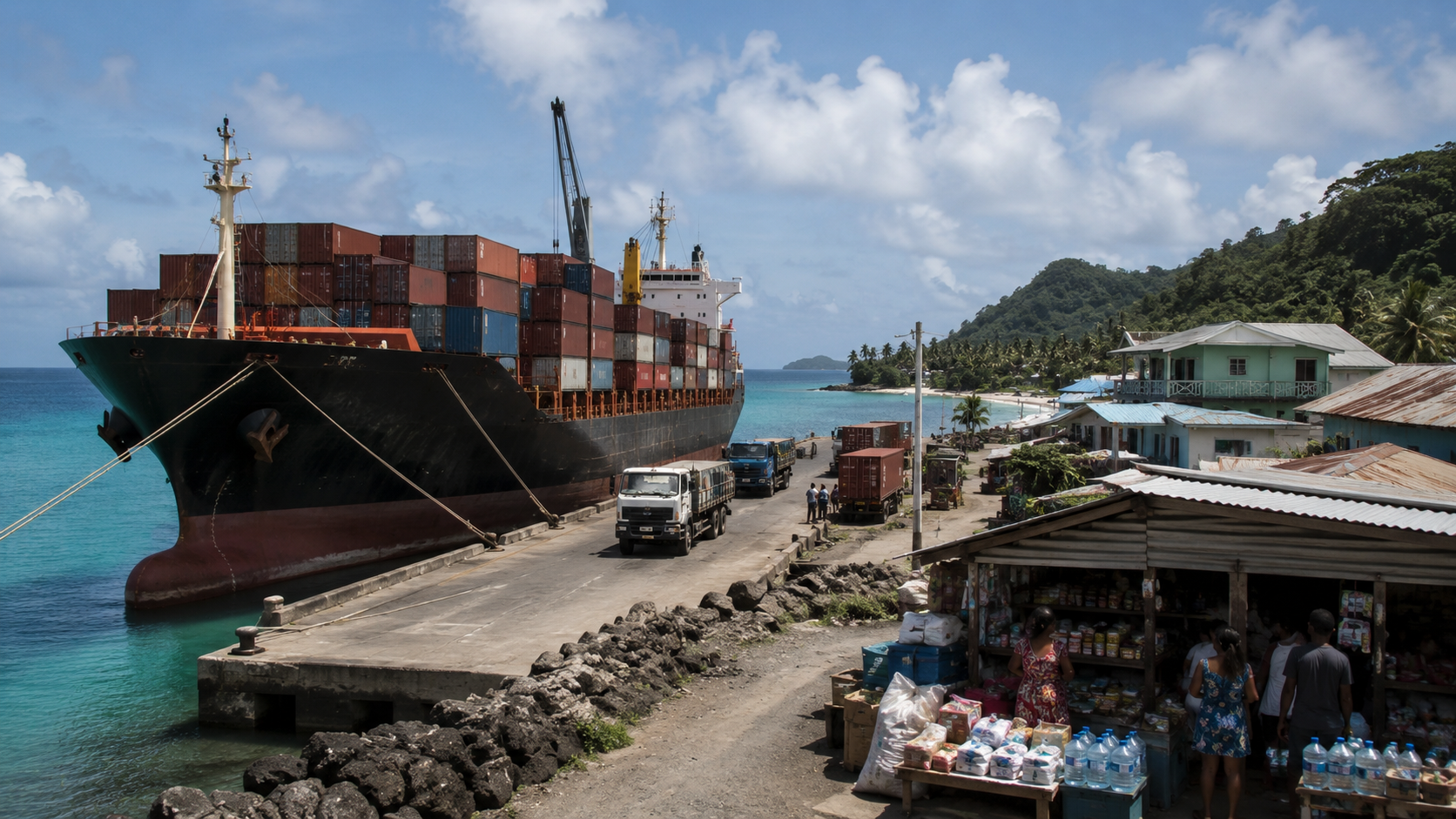
For many Pacific Island nations, shipping is not a luxury—it is a lifeline. Almost everything from food and medicine to construction materials and everyday household goods arrives by sea. When shipping costs rise or competition is limited, the impact is felt immediately by businesses, families and entire communities. For years, many importers and exporters have questioned whether the current shipping market in parts of the Pacific provides enough competition. They argue that a lack of alternatives can contribute to higher freight costs, fewer service options and reduced flexibility for businesses trying to trade across the region. Small businesses are often affected the most. Higher freight charges increase the cost of imported goods, reduce profit margins and ultimately lead to higher prices for consumers. For island economies that already face challenges because of distance and relatively small markets, transport costs can become a significant barrier to economic growth. At the same time, shipping companies also operate in a challenging environment. Serving small island nations involves long distances, fluctuating cargo volumes, expensive fuel, specialised vessels and strict i
About this report
This article contains independently written commentary and community perspective from Downunder Voices.
Join our community
Follow Downunder Voices
Join thousands of readers following news and community stories from Australia, New Zealand and the Pacific.