14 September 2026
Tasmania’s kingfish trial tests promise and prudence in Bass Strait
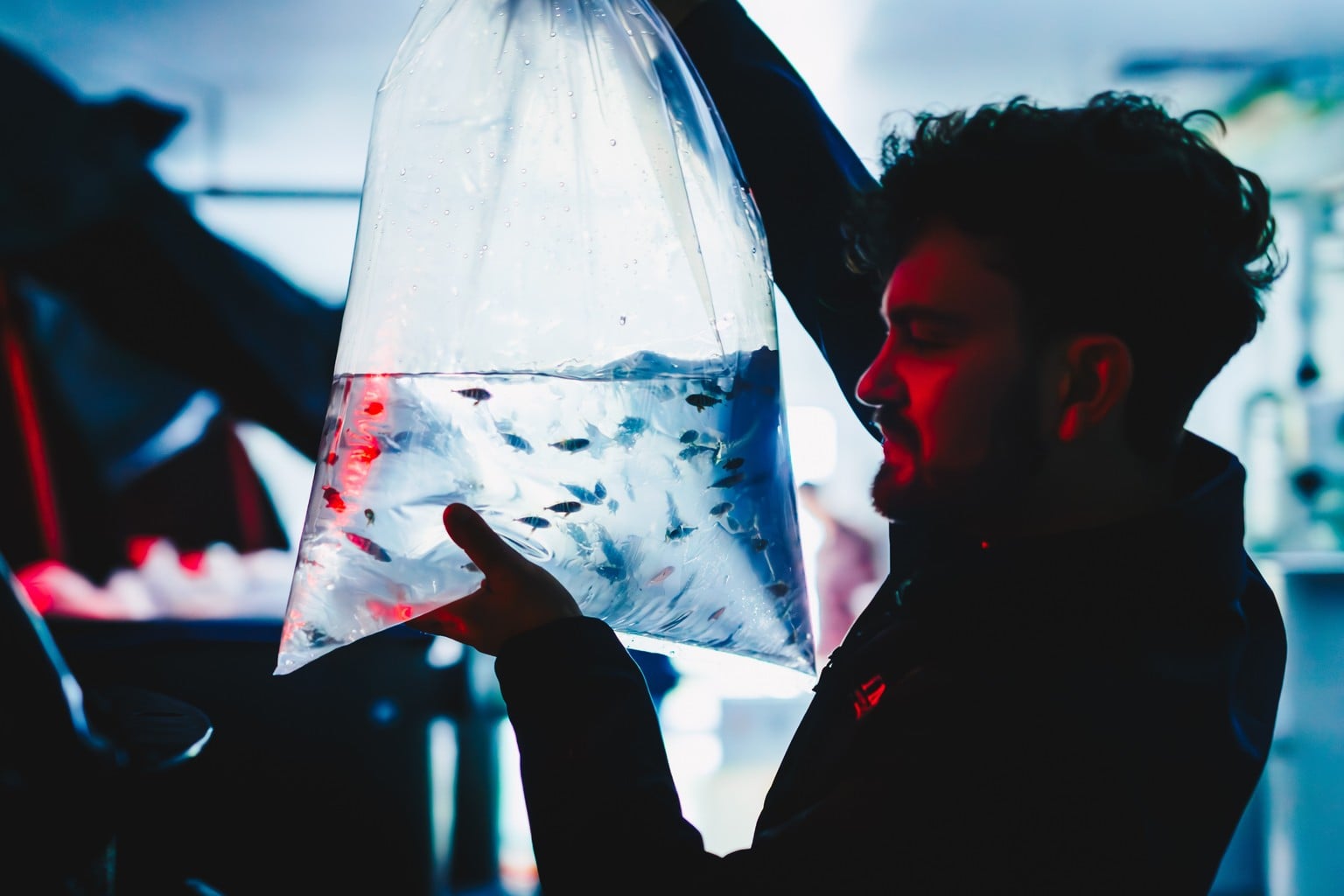
Tasmania has quietly entered a new chapter in its long relationship with the sea. About 15,000 yellowtail kingfish have just arrived to be raised off the Tasmanian coast for an offshore farming trial in Bass Strait — the first attempt to grow this species in Commonwealth waters. On the surface, it is an encouraging sign: a regional economy seizing an opportunity to diversify, create jobs and add value to Australia’s seafood exports. But the trial also forces the hard questions about how we expand aquaculture without repeating past mistakes. For Tasmanians, aquaculture is not theoretical. It is a major employer and a source of identity for coastal communities. An offshore kingfish trial adds a new option to the industry’s repertoire, one that could broaden seasonal work, attract investment and help regional towns that have few other growth levers. The lion’s share of the country’s seafood consumption is met by wild catch and established aquaculture species; developing new, higher‑value farmed species could improve resilience to international market shocks and offer consumers fresh domestic options. Yet the move into Commonwealth waters — beyond state marine jurisdictions — raises the stakes. Offshore farming can deliver economies of scale and reduce some nearshore environmental pressures, but it also brings novel governance, biosecurity and environmental monitoring challenges. Commonwealth oversight should not be an argument for lowered scrutiny; if anything, operating at that scale demands stronger, visible regulation and independent science-backed monitoring so communities can have confidence in both the industry and its custodians. Environmental impacts are not abstract. Farming carnivorous species like yellowtail kingfish can introduce feed and nutrient flows that affect seabed ecology, wild fish stocks and water quality if not tightly managed. The trial must therefore be designed to test not just growth rates and profitability but ecological footprints, escape risks and disease controls. Transparent baseline studies and ongoing public reporting will be essential to determine whether a commercial roll‑out is prudent. Equally important is the social licence of new aquaculture operations. Coastal communities have been burned before by projects that promised jobs but left environmental or amenity costs. Developers and government agencies must engage early and meaningfully with local fishers, recreational users and Aboriginal communities, whose relationship with the marine environment is longstanding. If the trial falters on trust, the best scientific outcomes will count for little. Policy design should also ensure benefits are kept local where feasible: supply chains for feed, processing and cold storage present opportunities for regional business growth. Training and pathways for local workers — including women and First Nations people — will determine whether the trial is an exercise in extractive investment or a genuine regional development opportunity. Trials are about learning. The arrival of those 15,000 kingfish is the start of a measured experiment; how governments, researchers, industry and communities choose to frame and police it will decide whether it becomes a model for sustainable expansion or a cautionary tale. Tasmania’s coasts and communities deserve both economic opportunity and ongoing stewardship of the marine environment. Done right, the Bass Strait trial could provide both. Done badly, it will only prove that a bigger ocean does not absolve us of responsibility for the smallest of our decisions.
Downunder Voices perspective
Why this matters
This trial affects coastal jobs, local fisheries, and the quality of surrounding waters. Residents should expect clear monitoring, local engagement and visible benefits to the region if offshore aquaculture proceeds.
About this report
This article contains independently written commentary and community perspective from Downunder Voices.
Join our community
Follow Downunder Voices
Join thousands of readers following news and community stories from Australia, New Zealand and the Pacific.