● RADIOAdvertise with us
DOWNUNDERVOICESAustralia · New Zealand · World
Back to Trade & Logistics
Trade & Logistics

14 September 2026

Small Fleet Financing: Why Buying Trucks Stops Making Sense

Downunder Voices Newsroom

Source reporting: FreightWaves

Small Fleet Financing: Why Buying Trucks Stops Making Sense

Truck financing is shifting fast: small fleets are borrowing to keep trucks running, not to add new ones. Dave Gilbert of National Funding breaks down why repair costs, insurance, fuel and downtime are changing the math for owner-operators and small carriers. This conversation gets into the real issue for trucking businesses right now: cash flow. Even with freight demand holding up in spots, many fleets still can’t justify new equipment when used truck prices, maintenance bills and uncertainty keep stacking up. #TruckFinancing #SmallFleets #FreightWavesToday Small trucking fleets are pulling back from equipment purchases and turning instead to short-term repair financing, according to Dave Gilbert, founder and CEO of National Funding, which has financed trucking and transportation businesses for nearly 30 years.

About this report

Downunder Voices provides an independently written summary and community perspective based on information published by the original source. The original publisher remains responsible for its reporting.

Join our community

Follow Downunder Voices

Join thousands of readers following news and community stories from Australia, New Zealand and the Pacific.

More from Trade & Logistics

View category

14 September 2026

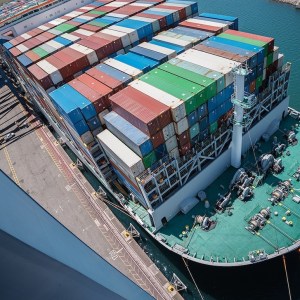
Almost 1 million TEUs in new record for this U.S. container gateway

The Port of Long Beach handled its busiest August on record, moving nearly 920,000 container units as shippers continued to adjust supply-chain strategies amid tariffs and geopolitical uncertainty. Long Beach processed 919,992 twenty-foot equivalent units (TEUs) in August, up 2% from the same month in 2025. The result also ranked as the fifth-busiest month in the port’s 115-year history. Imports increased 3. 6% year over year to 456,100 TEUs, while exports rose 4% to 99,754 TEUs.

Source: FreightWavesOriginal source

14 September 2026

Pauline Hanson’s immigration cuts will cost ‘many billions of dollars’ to implement, former top official says

Former department deputy says One Nation’s hardline approach would require huge funding for enforcement, legal costs and detention centres Get our new political email , free app or daily news podcast Enforcement of Pauline Hanson’s hardline immigration cuts would cost “many, many billions of dollars” and require widespread compliance checks across aged care facilities and some of the country’s biggest construction sites, a former senior immigration official has said. The One Nation leader on Monday announced plans to cut the number of temporary migrants in Australia by more than 750,000 over three years, targeting international students and family members of skilled migrants.

Source: Guardian Australia PoliticsOriginal source

14 September 2026

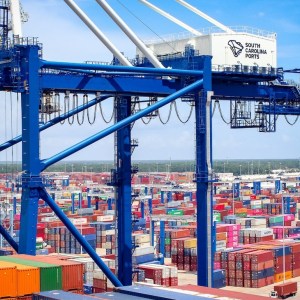
SC Ports, Norfolk Southern expand intermodal access to Huntsville

South Carolina Ports and Norfolk Southern have launched daily direct intermodal rail service between the Port of Charleston and Huntsville, Ala. , expanding the port’s reach into north Alabama and Middle Tennessee. The service took effect Sept. 11 and is intended to give importers and exporters another rail option for moving containerized cargo between Charleston and inland southeast markets, according to SC Ports. The port said the lane will offer shippers greater flexibility, speed to market and cost-effective connectivity.

Source: FreightWavesOriginal source

Read Next

View latest

14 September 2026

Rhenus moves 400 tonnes of transformer equipment from China to Canada

Rhenus Project Logistics has completed the transport of more than 400 tonnes of transformer equipment from China to Canada. The operation supported a major industrial project and included two oversized transformers weighing 80 tonnes each . Multimodal transport from China Rhenus managed the equipment across several project phases using a combination of ocean, rail and road transport. Each transformer was transferred from ocean vessels to rail networks before continuing by specialised heavy-haul vehicles. The company coordinated the cargo from its origin in China through to its final destination in Canada.

Source: Container NewsOriginal source