● RADIOAdvertise with us
DOWNUNDERVOICESAustralia · New Zealand · World
Back to Australia
Australia

13 September 2026

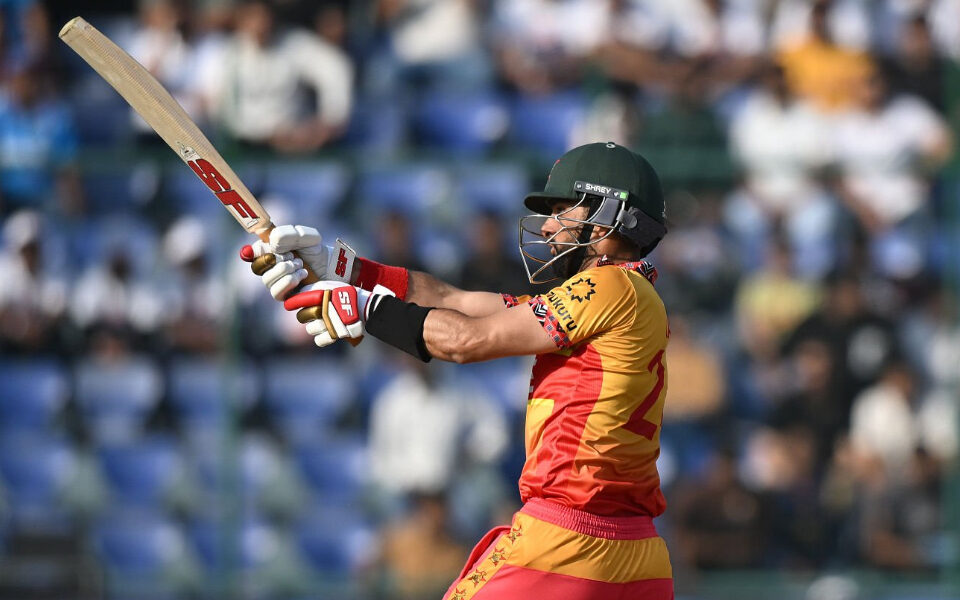
Sikandar Raza to captain Zimbabwe in Australia ODIs as Richard Ngarava ruled out injured

Downunder Voices Newsroom

Sikandar Raza to captain Zimbabwe in Australia ODIs as Richard Ngarava ruled out injured

Sikandar Raza will captain Zimbabwe in the three-match ODI series against Australia after Richard Ngarava is ruled out with injury. on CricTracker.

About this report

This article contains independently written commentary and community perspective from Downunder Voices.

Join our community

Follow Downunder Voices

Join thousands of readers following news and community stories from Australia, New Zealand and the Pacific.

More from Australia

View category

Read Next

View latest

13 September 2026

MFAT’s cautious optimism on Iran–US tensions is welcome — but NZ must stay alert

New Zealand officials have told a worrying, unpredictable international situation they remain ‘hopeful — confident, even’ that supply chains will hold, and have judged it ‘probably unlikely’ that Iran and the US will return to full hostilities. That assessment, made six months on from a period of heightened tension, is a relief. But the same official advice concedes a sober caveat: a flare‑up could yet affect New Zealand’s fuel stocks. For a small trading nation at the opposite end of the globe, both elements of that statement matter. The good news is obvious. A global military escalation would be costly for New Zealand’s people and businesses: disruption to shipping, spikes in freight and fuel prices, and interruptions to just‑in‑time supply chains would all strain households and firms. The prospect that Iran and the US have reasons to avoid full‑scale war reduces the probability of such shocks. That is a pragmatic assessment, not wishful thinking, and it should reassure exporters, importers and consumers who depend on continuity in world markets. Yet ‘probably unlikely’ is not the same as impossible. The cautionary line about potential impacts on fuel stocks underlines the practical vulnerability that stems from geography and market structure. New Zealand is highly integrated into global energy markets; supply disruptions or sudden price movements overseas can translate quickly into higher costs at the pump or uncertainty in delivery schedules. For families budgeting weekly expenses and for businesses reliant on transport, that uncertainty translates directly into financial pressure. This is not an argument for alarmism. Rather, it is a reminder that national resilience is built in advance. The MFAT assessment should spur a sober review of contingency arrangements: fuel stock strategies, support for sectors with tight logistical margins, and communication plans for consumers and firms should disruption occur. Business groups and local councils also need to maintain preparedness, working with central government to ensure practical measures are in place. At the same time, diversification remains a practical national interest. New Zealand’s exposure to international volatility is partly a consequence of global supply concentration and the speed of modern trade. The current geopolitical environment highlights the value of diverse suppliers, resilient shipping routes and cooperative regional arrangements that can lessen the impact of isolated crises. For ordinary New Zealanders, MFAT’s message should be taken in two parts. Accept the relief: the risk of all‑out war appears limited and officials are monitoring the situation. But do not mistake cautious confidence for complacency. Global politics can change quickly, and even limited flare‑ups can have domestic consequences. The sensible response is to keep an eye on prices, be mindful of potential disruptions, and expect clear, practical guidance from government if conditions change. In short: hope is a good headline, but preparedness is a better policy. New Zealand’s place in the world makes it vulnerable to shocks it cannot control; prudent planning will ease the burden when — not if — the unexpected happens.

Community angle

MFAT’s view affects household budgets and businesses reliant on fuel and shipping; readers need reassurance that contingency plans and practical measures are in place to mitigate possible supply or price shocks.
Source: https://www.rnz.co.nz/rss/business.xmlOriginal source

13 September 2026

Red lines on arms exports: Parliament must weigh ethics, alliances and jobs

A group of crossbench MPs is preparing to present ‘red lines’ legislation on Monday to bar Australian defence equipment, technology or services being used where they might breach international human rights obligations. The draft proposals are striking in their clarity of purpose: to ensure Australian military exports are not complicit in serious human rights abuses. They single out a wide range of material, including parts for sophisticated platforms such as F‑35 fighter jets, and aim to make the country’s export regime a matter of conscience as well as commerce. The proposition is straightforward to describe and difficult to resolve. Ordinary Australians will recognise the moral instinct: if Australian-made defence items can be used to perpetrate human rights abuses, there is an intuitive case for stopping those supplies. Yet the practical realities are complex. Defence trade intersects with national security cooperation, international alliances, industrial employment and the highly specialised supply chains that produce modern military equipment. Parts destined for aircraft, guidance systems or logistical support often move through multinational networks; a decision to restrict exports can have ripple effects for local manufacturers and workers whose livelihoods rely on defence contracts. Those dual truths — moral responsibility and material complexity — mean Parliament cannot treat this as a simple political show of principle. The crossbench’s initiative does perform a valuable public service: it forces the debate out of committee rooms and into full view, where ministers, industry leaders and the public must confront the trade‑offs. For citizens, the issue is not abstract. Taxpayers finance defence industries; regional employment depends on them; and Australia’s standing among partners can be affected by how strictly it controls sensitive exports. The framing of the proposed red lines around breaches of international human rights obligations is politically powerful because it refers to standards the country has already endorsed. It anchors the debate in international law rather than shifting domestic moral fashion. That is valuable because it gives the proposal a firm reference point, but it also raises questions: who determines what constitutes a likely breach? How are risks assessed and mitigated? What review mechanisms will reassure both rights advocates and businesses? These procedural questions will determine whether the legislation protects both human dignity and sensible national interests. There is also no escaping the strategic dimension. Defence exports are embedded in alliance relationships that carry reciprocal expectations. A future government will need to show that any restrictions are compatible with Australia’s credible commitments to partners and do not create perverse incentives for other suppliers to step into any vacuum. That is a policy calculus for ministers, not just activists. For the community, the right outcome will be one that reconciles principle with pragmatism. The crossbench’s move invites a mature debate about oversight, transparency and independent review — measures that can prevent misuse of Australian material while protecting jobs and strategic relationships. If Parliament conducts the discussion in good faith, the country can show it is both principled and practical: committed to human rights, and capable of managing the complexities that come with modern defence industry.

Community angle

Proposed 'red lines' affect jobs in defence manufacturing, Australia’s reputation and alliance commitments; ordinary readers need clear oversight and transparency to ensure moral standards don’t undermine local industry or national security.

Source: Guardian Australia PoliticsOriginal source