8 September 2026
Russell Island inquest must force honest answers about smoke alarms and safety
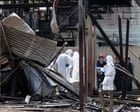
The pre-inquest conference into the Russell Island tragedy has laid bare an awful detail: witnesses reported they did not hear any smoke alarms during the 2023 house fire that killed a father and five children. The hearing also heard that the mother had previously flagged faulty smoke alarms. Deputy state coroner Donald MacKenzie convened the conference as a step towards the coronial inquiry that must now do more than record sorrow. When lives are lost in a domestic fire, smoke alarms should be a simple, practical barrier between life and death. That so many in one family were lost while alarms either failed or were not heard should prompt a thorough, unflinching examination of how these devices are regulated, maintained and enforced across households — and especially in rental properties and houses occupied by families with limited means. This is not just a technical matter about devices and batteries. It raises questions about systems: who checks and replaces alarms, how repairs are funded, and whether tenants feel able to press landlords about safety concerns. The coroner’s work must probe those lines of responsibility. If a parent flagged faulty equipment and nothing effective happened, then the inquiry should identify the breakdown and point to practical remedies. There are also broader policy lessons. Governments and regulators must ask whether current standards — on alarm types, interconnectivity, regular testing and notification — are adequate. Are there gaps in enforcement capacity? Do inspectors routinely check the alarms in the houses of the most vulnerable? Are public housing providers and private landlords meeting their duties? These are uncomfortable questions, but avoiding them betrays the memory of the dead and leaves others at risk. Communities also deserve clearer guidance on alarm maintenance. Many people do not have the expertise or resources to know whether an alarm is functioning correctly. Local councils, health services and housing providers should collaborate on outreach, subsidised replacements and easy reporting channels so that flagged faults trigger prompt action, not bureaucratic delay. The coronial process is sometimes criticised for being slow and procedural. This inquiry must balance due process with urgency. Families left behind need answers; the community needs reassurances that lessons have been learned and safeguards improved. The coroner’s recommendations have power only if governments and officials treat them as binding imperatives rather than optional guidance. At its heart, this tragedy reminds us of a simple expectation: a home should be a safe place. Where that basic security fails — particularly for children — the public response must be decisive and preventative, not merely reflective. The Russell Island inquest can and should set out a clear path to ensure that smoke alarms, the most basic defence against house fires, do not become the weak link between life and death again.
Downunder Voices perspective
Why this matters
Affects families and renters across Queensland: the inquest can identify practical fixes to ensure alarms actually protect people who live on low incomes and in rental homes.
About this report
Downunder Voices provides an independently written summary and community perspective based on information published by the original source. The original publisher remains responsible for its reporting.
Join our community
Follow Downunder Voices
Join thousands of readers following news and community stories from Australia, New Zealand and the Pacific.