1 November 2026
Political timing and local cost: Invercargill councillors push back against a disingenuous train loan
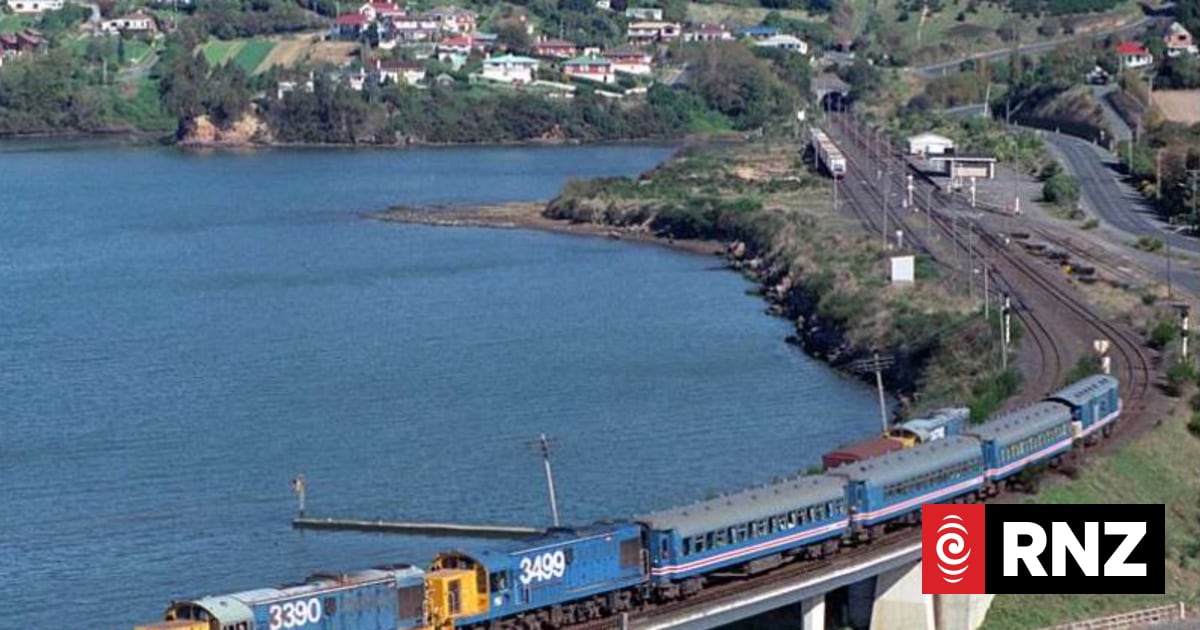
Local councils expect to grapple with infrastructure loans and the headaches they bring. What they do not expect is to be publicly cast as the source of waste when ministers choose the timing and terms of loans. That is the gripe Invercargill councillors have raised over a recently announced government train loan — a gripe that goes to the heart of how central and local government should interact. The core fact reported is stark: Invercargill councillors say they are being penalised because the government is blaming local councils for wastage of ratepayer money. The suggestion that ministers can deflect responsibility for costly, complicated transport projects onto local bodies is troubling for reasons that matter to ratepayers and communities across New Zealand. First, local democracy depends on honest partnership. Councils plan, consult and budget for projects that often take years to deliver. When central government provides loans, grants or other interventions, it assumes a share of responsibility for outcomes. To blame councils retroactively for “wastage” without transparent explanation and shared accountability undermines the trust citizens place in both levels of government. Second, the timing of financial announcements matters. When loans or subsidies are rolled out close to election cycles or during heated political debate, questions inevitably arise about motive. The word “disingenuous” used by councillors is not mere grievance; it reflects a real civic concern that national politicians may be leveraging local needs for political advantage, while local ratepayers pick up practical and fiscal consequences. Third, the fiscal consequences are real for ordinary people. Ratepayers in provincial cities already face pressure as councils manage ageing infrastructure, fluctuating revenue and rising service expectations. If central government structures loans in ways that shift costs or blame to councils, residents ultimately pay in rates, reduced services or delayed projects. That outcome is neither efficient nor fair. What should happen instead is straightforward and modest. Central government must engage openly with councils on the terms of loans, including realistic assessments of costs, contingencies and the consequences of project failure. If projects are truly liable to wastage, the government that proposes and funds them needs to own its share of the risk rather than point the finger at local bodies. Ministers should stop weaponising deficits in local accounts as political cover. For communities such as Invercargill the lesson is to demand clarity. Councillors should seek independent audits of project planning and financing; central agencies should publish the assumptions behind loan offers; and both tiers of government should commit to transparent dispute-resolution processes when projects go awry. Citizens should expect more than rhetoric: they should expect accountability. Transport projects — trains, roads, ferries — are important for regional lifelines. Their success depends on partnership, not post-hoc blame. If Wellington wants better regional outcomes, it should begin by treating local councils as partners in good faith, not as scapegoats for political timing.
Downunder Voices perspective
Why this matters
Ratepayers in provincial towns should be alert: unclear loan terms and public blaming between Wellington and councils can translate into higher rates, delayed projects and poorer services. Transparency and shared accountability are needed.
About this report
Downunder Voices provides an independently written summary and community perspective based on information published by the original source. The original publisher remains responsible for its reporting.
Join our community
Follow Downunder Voices
Join thousands of readers following news and community stories from Australia, New Zealand and the Pacific.