2 November 2026
Pharmac’s Wegovy decision should be about lives, not paperwork
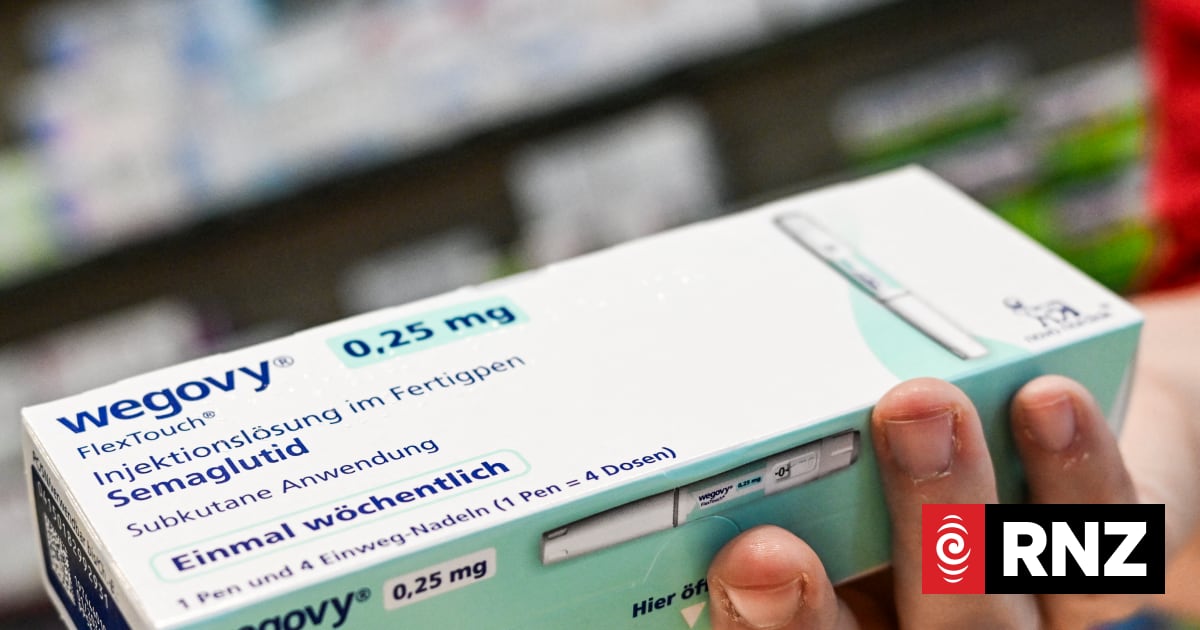
Pharmac’s cardiovascular advisory team has recommended funding Wegovy for some people — a significant development in New Zealand’s rollout of weight‑loss medicines. Yet the drug already circulates in New Zealand unfunded, which means patients who can access prescriptions are still asked to pay the full price. That situation sits uncomfortably with a publicly funded system committed to equitable access to treatments that prevent avoidable illness. For families on stretched budgets the distinction matters. When a new medicine shows benefit for people at high cardiovascular risk, access is not merely a matter of choice: it can affect hospital admissions, long‑term treatment costs and the everyday ability of a parent or caregiver to work and care for their family. Pharmac operates under tight prioritisation settings and competing claims on a finite budget. That practical reality is the reason decisions take time, but it is also why a transparent, timely process is so important. The cardiovascular team’s recommendation is the sort of targeted approach the public health system should favour: funding for people most likely to gain clear clinical benefit. That narrow, evidence‑based focus can make funding affordable and defensible in public terms. But patients who currently pay out‑of‑pocket are an uncomfortable reminder of a gap between clinical approval and public funding. When an effective therapy exists but remains unfunded, inequities widen. Those with means can access potential benefits; those without are left behind. Pharmac must now set and publish a clear timetable for its assessment and decision‑making — and commit to explaining the criteria it will use. That means detailing which groups are likely to be eligible, how cost‑effectiveness was modelled, and what real‑world safeguards will be attached to ensure appropriate prescribing. Ministers and opposition health spokespeople can and should question processes, but the core public interest is straightforward: timely, equitable access to clinically indicated treatments. There are legitimate fiscal constraints: Pharmac cannot fund every new medicine. But the default response cannot be indefinite delay when a specialist advisory body has already recommended funding for a subset of patients. Practical interim measures are worth exploring: capped access programmes, co‑payment schemes for those not at highest risk, or managed access while longer‑term funding decisions are finalised. These stop‑gap options help patients immediately while preserving the integrity of Pharmac’s prioritisation system. Ultimately New Zealand’s health system is judged by how it treats people at greatest risk of severe illness. When an expert team recommends funding a medicine for a defined group, indecision imposes real costs on households and on the health system that could be avoided if treatment prevents future hospitalisations. Pharmac should move swiftly to a clear decision and communicate transparently so patients, clinicians and taxpayers all understand the reasoning and the timetable.
Downunder Voices perspective
Why this matters
Patients currently paying for Wegovy need clarity and fair access; families need assurance public money targets those at greatest clinical risk.
About this report
Downunder Voices provides an independently written summary and community perspective based on information published by the original source. The original publisher remains responsible for its reporting.
Join our community
Follow Downunder Voices
Join thousands of readers following news and community stories from Australia, New Zealand and the Pacific.