Advertise with us
DOWNUNDERVOICESAustralia · New Zealand · World
Back to Social Issues
Social Issues

25 August 2026

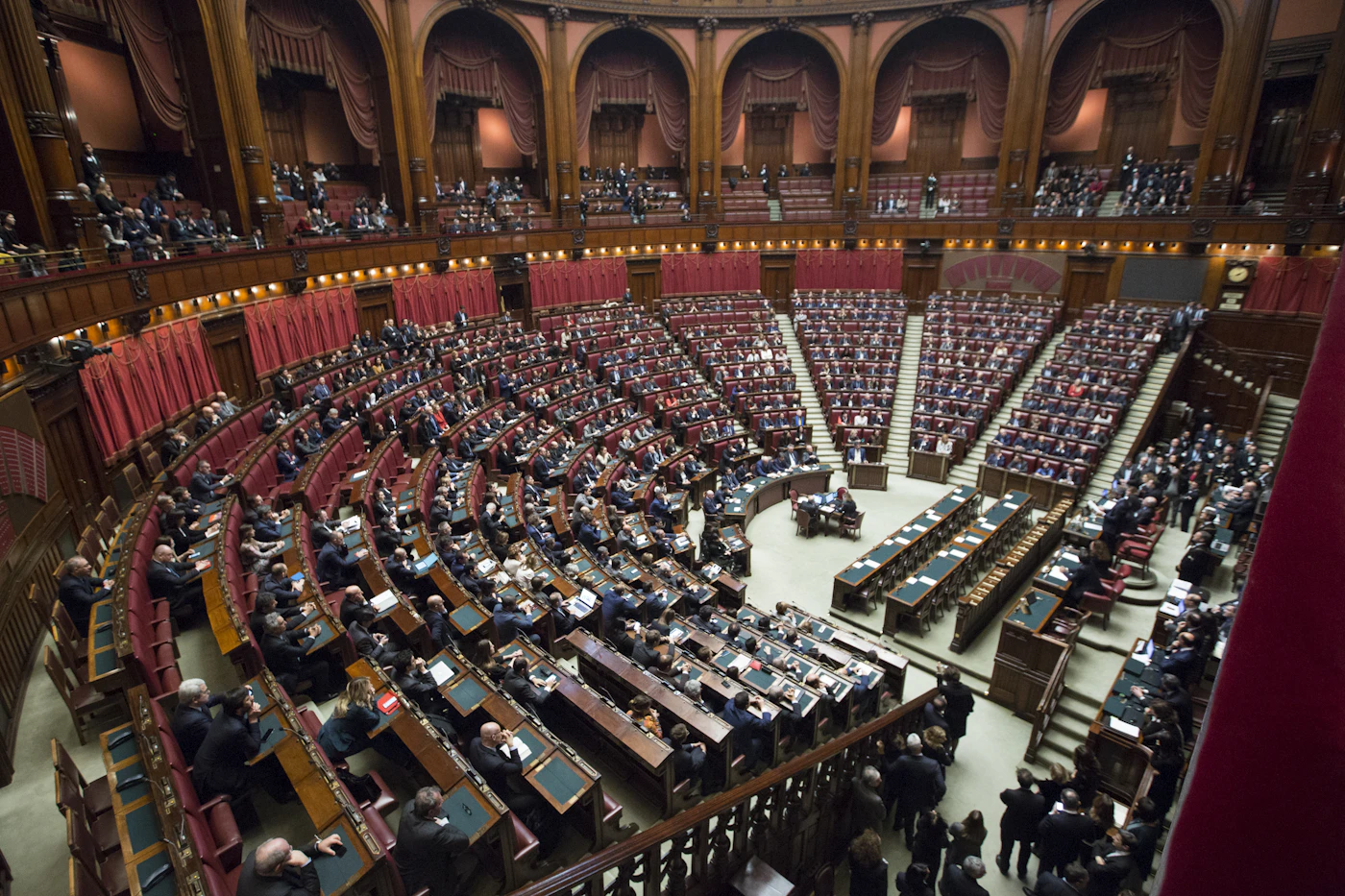
One Nation closes gap to Labor as Coalition vote slides - news24.com.au

Downunder Voices Newsroom

One Nation closes gap to Labor as Coalition vote slides - news24.com.au

One Nation closes gap to Labor as Coalition vote slides news24. com. au

About this report

This article contains independently written commentary and community perspective from Downunder Voices.

Join our community

Follow Downunder Voices

Join thousands of readers following news and community stories from Australia, New Zealand and the Pacific.
More from Social Issues

View category

25 August 2026

Woodside scraps emissions targets while profits surge — who pays the price?

Australia’s biggest oil and gas company has abandoned long‑term emissions and clean‑energy targets at a time when its profits have surged. Woodside reported a 27% rise in sales profit — $1.67 billion in six months — after crude prices jumped amid global supply disruptions. That combination of windfall gains and the removal of environmental commitments should prompt a public conversation about corporate responsibility and the pace of Australia’s energy transition. Companies claim that their strategic choices reflect market conditions. Governments claim they need private capital to deliver cleaner energy. But when a major fossil‑fuel firm drops emissions goals precisely as it benefits from higher global prices, ordinary households deserve clarity about what that means for climate risk, energy costs and national decarbonisation pathways. The practical consequences matter. The world is tracking mounting climate harms. Australians face increasingly direct impacts from extreme weather and changing economic conditions that flow from global energy markets. A company that once pledged long‑term targets and then abandons them is effectively shifting the cost of adjustment back onto society: communities, taxpayers and future generations. Regulators and policymakers should not pretend this is just a corporate governance matter. There are several reasonable responses. First, transparency: companies making strategic reversals should be required to explain how this affects longer‑term emissions trajectories and community obligations. Second, expect stricter accountability from governments when licensing new fossil fuel projects or approving expansions. Third, consider mechanisms to capture unexpected windfalls and direct them to a just transition fund — but only if such measures are debated openly and legally sound. If Woodside’s profit boom is a short‑term market windfall, shareholders will take their gains. But the broader community will live with the climate choices these firms make. That is why public scrutiny, clearer regulatory expectations and policy tools to direct private gains into a managed transition are not ideological: they are practical measures to protect households and regions that cannot easily absorb higher climate and economic risk.

Community angle

Families and regional communities face the fallout if major oil companies abandon emissions goals while reaping large profits, because the costs of transition and climate impacts fall on the public.

Source: The Guardian WorldOriginal source

25 August 2026

121 Indigenous Victorians died by suicide — Victoria must fund the healing centres it promised

One hundred and twenty‑one Indigenous Victorians have taken their own lives in the five years since a royal commission into mental health issued its final report. That simple, terrible fact should be a political emergency. The commission recommended First Nations healing centres in 2021. Yet the peak Aboriginal health service in Victoria says the state has ‘‘done nothing’’ to fund them. When a formal inquiry collects evidence, hears suffering and proposes remedies, the public expects action. In this case, action would not be symbolic. It would mean properly resourced, culturally safe services designed and run by First Nations people — services explicitly recommended after a thorough inquiry into mental‑health failings. The deaths recorded after March 2021 are a grim measure of what happens when recommendations sit on a shelf. For families and communities already carrying the legacy of dispossession, trauma and disadvantage, the absence of agreed, funded supports is not an administrative detail: it is the difference between having somewhere to turn in crisis and being forced to navigate systems that were not built for them. Victoria’s government must answer two questions now: why have the healing centres not been funded, and what concrete, time‑bound steps will stop further deaths? Those answers should be public, not buried in internal briefings. Policy responses need not be complicated to start. Funding commitments should be accompanied by clear governance arrangements that place First Nations organisations in charge of design and delivery. Short‑term crisis supports must be expanded while longer‑term healing services are established. Measuring outcomes should be mandatory and transparent so communities and the broader public can see whether promises translate into fewer tragedies. This is not merely a matter for Indigenous communities. The credibility of public inquiries depends on governments acting on their findings. If recommendations are ignored without explanation, inquiries become performative rather than preventive. That harms everyone’s trust in public institutions and weakens the social contract. Victoria has evidence of what needs to be done and a timetable set by the royal commission. The state should stop treating that report as historical record and start treating its recommendations as urgent public policy. Funding the First Nations healing centres is the measure of whether words will be matched by lives saved.

Community angle

Ordinary Victorians should care because the state ignored a royal commission’s 2021 recommendation for First Nations healing centres while 121 Indigenous people died by suicide in the following five years.

Source: The Guardian WorldOriginal source

Read Next

View latest

25 August 2026

MSC schedules more east-west liner services for Suez Canal transit

MSC is continuing its restoration of Suez Canal transits for selected east-west services, joining the Gemini Cooperation and Ocean Alliance in a cautious return to the Red Sea route. The move follows last week’s announcement that the world’s largest container shipping line would be sending seven ships through the waterway this month. It said on Monday: “Following a comprehensive review of the latest security and operational conditions in the Red Sea region, ... The post MSC schedules more east-west liner services for Suez Canal transit appeared first on The Loadstar .

Source: The LoadstarOriginal source

25 August 2026

Carriers warn of 20-day delays as congestion crisis at Durban worsens

The congestion at Durban Gateway Terminal has worsened, with delays hitting 10 days, and there is little sign that a resolution is imminent creating more frustration among the forwarding community. Sources told The Loadstar the terminal’s Pier 2 was “materially constrained”, noting that while delays of 10 days were expected, “some individual services are further behind”. One forwarder told The Loadstar: “Honestly, it is a shit show. ICTSI has taken over one ... The post Carriers warn of 20-day delays as congestion crisis at Durban worsens appeared first on The Loadstar .

Source: The LoadstarOriginal source

25 August 2026

China denounces US threat of sanctions over trade with Iran

Beijing says it will take ‘all necessary measures’ to protect its interests as US steps up efforts to isolate Tehran Explainer: could US sanctions threaten China-Iran ties? China has denounced the threat of US sanctions for its trade with Iran , saying any such measures would be illegal, and warned it will take “all necessary measures” to protect its national interests. Beijing’s rejection of the US threat of secondary sanctions for any country or entity continuing to trade with Tehran had been predicted. China buys an estimated 80% of Iran’s oil exports and it has defied previous US efforts to limit the flow of revenue to the Tehran regime.

Source: The Guardian WorldOriginal source

25 August 2026

Artist known for sculptures of Mao Zedong jailed for slandering ‘heroes and martyrs’

Gao Zhen sentenced to three years in prison after already spending two years in detention Gao Zhen, a prominent Chinese artist known for provocative sculptures of the former leader Mao Zedong, has been sentenced to three years in prison after being found guilty of slandering China’s “heroes and martyrs”. The sentencing came two years after he was detained while visiting the country with his family, according to his wife and human rights groups. The case has attracted international condemnation , largely because the artworks at the centre of the case were created more than 10 years before China created the law under which Gao was charged.

Source: The Guardian WorldOriginal source