5 September 2026
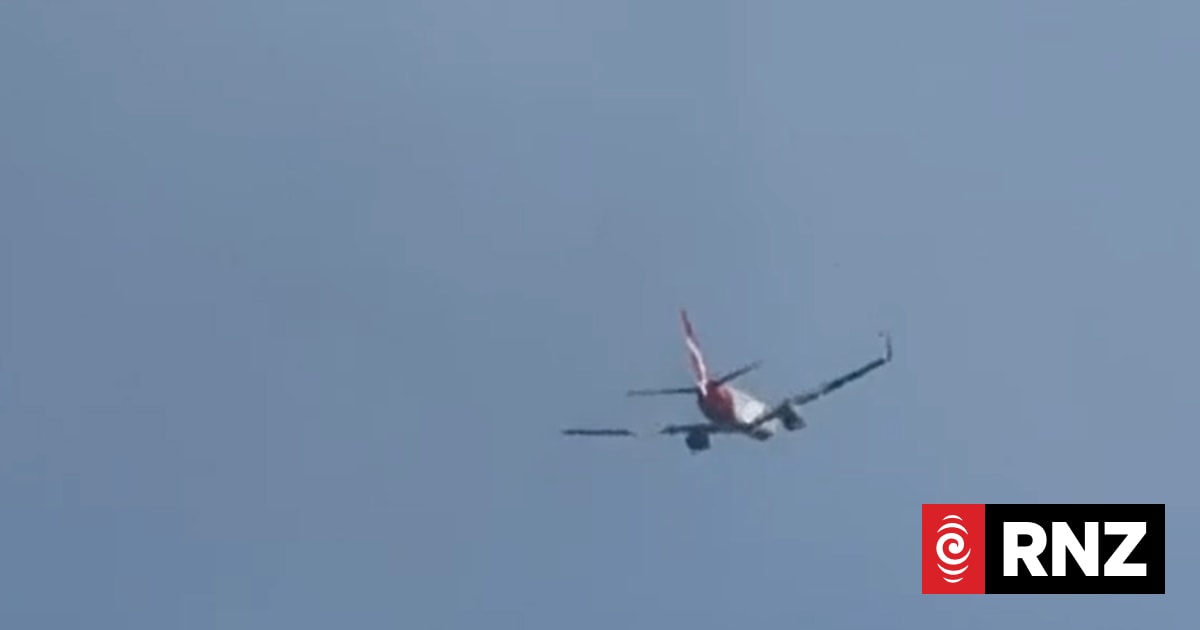
The sight and sound described by witnesses — flames and loud banging shortly after take-off, then the diversion of a Qantas flight to Christchurch — is a reminder that commercial aviation, for all its sophistication, still depends on fast, effective responses when things go wrong. In this instance, a Qantas flight that departed Queenstown was forced to divert to Christchurch after what has been described as an engine issue; passengers and onlookers reported flames and loud bangs and social media footage appeared to show fire in an engine.
The immediate relief is that the aircraft was able to divert and land, and that emergency procedures appear to have been effective in preventing a worse outcome. But for travellers, airport communities and regulators, this episode raises a cluster of practical questions that deserve answers.
First, the technical cause. Witness reports and video footage are striking but inherently limited. Engines can shed debris, suffer bird strikes, or have mechanical faults; the precise cause can only be established by trained investigators with access to maintenance records, flight data and the engines themselves. Passengers deserve a prompt and transparent investigation so the aviation community — and the travelling public — can be reassured about the risk and the mitigating steps taken.
Second, the human dimension. For those aboard, a diversion is a frightening interruption to what ought to be a routine trip. Families travelling for holidays or work deserve clear communication and logistical support from airlines when incidents occur. That means not just technical explanations weeks later, but immediate care: rebooking, accommodation where necessary, and timely updates.
Third, the systemic view. New Zealand’s regional airports, like Queenstown, are critical to local economies. They handle a mix of visitor and resident traffic, often in challenging weather and terrain. Operators and regulators must ensure that emergency response plans are robust, that wildlife management at and around airports is effective, and that maintenance regimes for aircraft operating in these environments are rigorous.
Finally, public confidence hinges on transparency. Social media makes dramatic images instantly public; this can fuel anxiety if official information is slow to follow. Aviation authorities and airlines should recognise that fast, clear explanations calm public concern without compromising safety inquiries.
For ordinary New Zealanders who fly — for work, to visit family, or on holiday — the incident is a reminder that safety relies on layers: aircraft design and maintenance, pilot training, air traffic control, airport procedures and regulatory oversight. Each layer must be strong. Incidents like this are not a reason to avoid flying, but they are a reason to insist on high standards and prompt answers.
Qantas and the aviation authorities owe passengers and the public a thorough investigation and clear communication about findings. Christchurch and Queenstown communities should also be part of the conversation, because regional airports are everyone's lifeline. In the meantime, travellers can take comfort in the fact that routine systems worked: a potentially dangerous situation was brought to a safe conclusion. Now the work is to ensure it cannot happen again.
Community angle
Passengers, regional communities and airport staff are directly affected by aviation incidents. They need swift explanations, strong emergency planning and assurance that maintenance and wildlife controls are preventing future diversions.