Opinion: Kāinga Ora is selling a street of state homes to land bankers. The next government should stop it
By Downunder Voices Opinion
This is opinion, not straight news. Prepared with AI assistance and published under our editorial standards.
Homes in Lower Hutt's Manderson Grove are being marketed for land banking while 339 local households wait for public housing. Sales should be paused and the programme reviewed.
Downunder Voices perspective
Full analysis
In Lower Hutt, almost an entire street of state houses is up for sale. According to B2B News on 25 November, Kāinga Ora has put homes in Manderson Grove on the market through Bayleys, with about 80 bedrooms between them. The marketing pitches them for investment, development and land banking. Buyers can take one house or the lot, and bids close on 8 December.
At the same time, B2B News reports, 339 households were on the public housing waitlist in Lower Hutt as at September.
Those two facts sit very uncomfortably side by side. While the country waits for a final election result, the next government should put a hold on sales like this one and review the whole programme.
A pattern, not a one-off
Manderson Grove is not the first. In October, ten community and church organisations, including Wellington City Mission and Renters United, wrote an open letter asking Kāinga Ora to halt the sale of 36 empty state homes on Nuku Street in Strathmore, Wellington, CathNews New Zealand reported on 20 October. The deadline sale fell about two weeks before the election. CathNews, citing other reporting, said more than 600 Wellington households were waiting for public housing.
Kāinga Ora's own figures show how steady the selling has become. Its property sales page, as at 20 November, lists 82 Wellington-region properties currently for sale and 48 sold there in the past 12 months. In Auckland, 244 have been sold in the past year; in Canterbury, 120.
B2B News reports that in Christchurch nearly 150 homes have been sold since July 2025 for at least $65 million, with a net loss of 86 public housing units in the second half of 2025.
Why this matters
Kāinga Ora is the country's biggest landlord, and for many families it is the only landlord they can afford. Every house sold into the private market is a house that will not be available the next time a family is put up in a motel or a car.
The argument that each sale funds a new build elsewhere sounds tidy. But it depends on the new homes actually being built, in the places where people need them, at the pace the waitlist demands. Housing advocate Vanessa Cole of Public Housing Futures said earlier this year that about 3,500 planned homes had been cancelled, B2B News reports. When pipelines shrink while sales continue, the net effect on families waiting is hard to see as anything but negative.
Marketing public homes as a land-banking opportunity also sends the wrong message. Land banking means buying land and holding it while values rise. Public land is a long-term asset. Selling it to people whose business model is to wait is the opposite of what a housing crisis calls for.
What the next government should do
Labour, the Greens and The Opportunity Party have all argued for more public and affordable housing, not less. Whoever forms the next government, there are three sensible steps.
First, pause sales of homes that could be repaired or redeveloped for public housing, particularly in areas with long waitlists like Lower Hutt and Wellington.
Second, publish a clear rule: no net loss of public homes in any region where the waitlist is growing. If a house is sold, its replacement should be built nearby, and the public should be able to check.
Third, look again at how redevelopment is judged. A site that does not pay its way on a narrow financial test may still be the cheapest way to house a family over thirty years once motel bills and health costs are counted.
The government's case
Kāinga Ora says the homes it sells do not meet its long-term needs. According to B2B News, it sells about 900 homes a year, roughly 1 per cent of a portfolio of about 78,000, and replaces or renovates around 2,000 a year. It says homes have sold on average 5 per cent above market value and that proceeds are reinvested. On Strathmore, regional director Sarah Willson said "it was not financially viable to deliver new social housing there", CathNews reported. Chris Bishop, as housing minister, called the programme "sensible asset management" and said overall supply was still growing, B2B News reports. Some economists also argue the Manderson Grove sale is not classic land banking.
The bottom line
Selling a street of public homes while hundreds of local families wait is a choice, not a necessity. The next government should stop it, count the homes, and make sure that public housing in New Zealand grows rather than quietly shrinks.
This is an opinion column.
Sources: B2B News, "Kāinga Ora pitches Lower Hutt street to land bankers", 25 November 2026; CathNews New Zealand (from RNZ reporting), "Church group calls for halt of capital state housing sale", 20 October 2026; Kāinga Ora, "Property sales" (data as at 20 November 2026), page updated 16 November 2026.
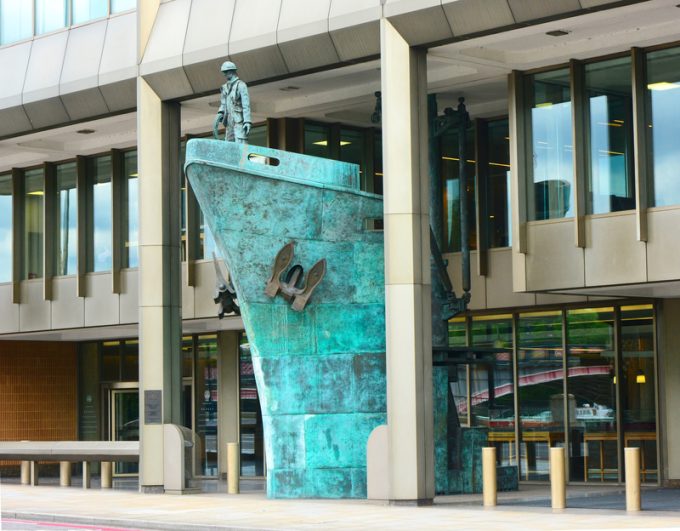
Photo: public-domain photograph via Wikimedia Commons (public domain / CC0), selected by Downunder Voices.
About this report
This article contains independently written commentary and community perspective from Downunder Voices.
Join our community
Follow Downunder Voices
Join thousands of readers following news and community stories from Australia, New Zealand and the Pacific.