● RADIOAdvertise with us
DOWNUNDERVOICESAustralia · New Zealand · World
Back to Social Issues

Social Issues

6 September 2026

How climate change and food insecurity could fuel future conflicts

Downunder Voices Newsroom

Source reporting: Deutsche Welle English

How climate change and food insecurity could fuel future conflicts

Climate change, conflict, and trade tensions are putting pressure on the global food system. New research suggests the biggest risk is not food shortages, but whether societies can peacefully adapt to change.

About this report

Downunder Voices provides an independently written summary and community perspective based on information published by the original source. The original publisher remains responsible for its reporting.

Join our community

Follow Downunder Voices

Join thousands of readers following news and community stories from Australia, New Zealand and the Pacific.

More from Social Issues

View category

6 September 2026

NZ Super changes must be about evidence and fairness, not political theatre

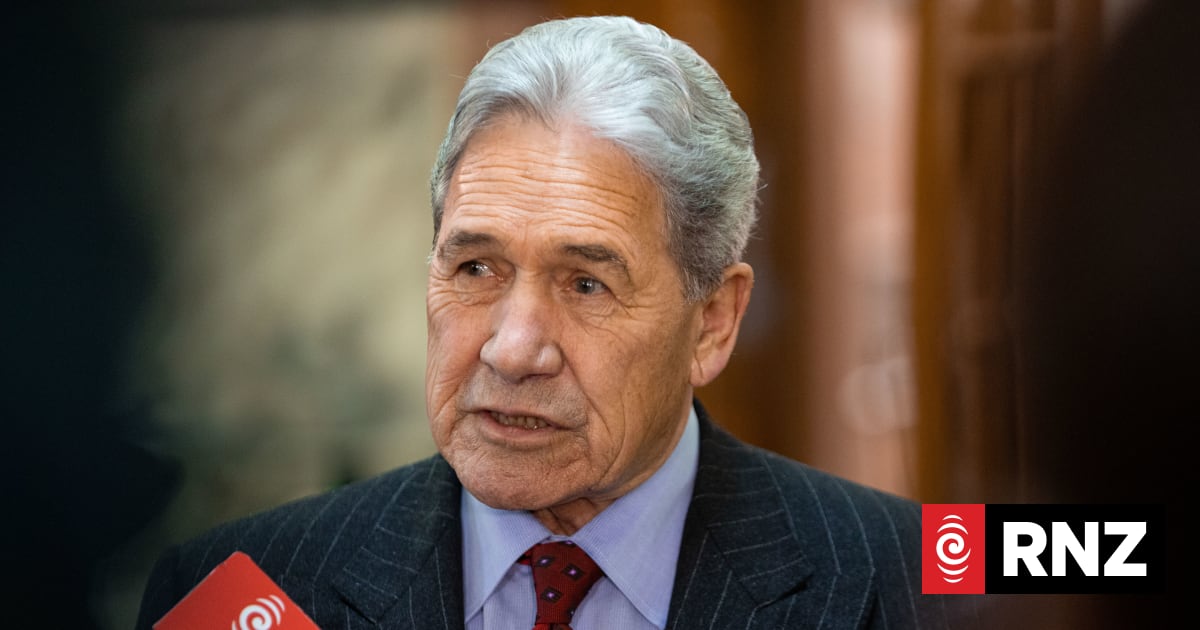
New Zealand First has pledged to restrict access to NZ Superannuation to citizens from 2029, framing migrant entitlement as a looming fiscal problem. Leader Winston Peters describes the cost of NZ Super for migrants as a "ticking timebomb." This proposal has already inserted itself into a sensitive national conversation about ageing, migration and social solidarity. Cutting entitlements in the name of fiscal responsibility is a familiar political script, but it deserves sober scrutiny. Superannuation is a cornerstone of New Zealand’s social compact; any change to its eligibility rules touches the contract between the state and those who have worked and paid taxes here, regardless of where they were born. Migrants contribute to the workforce, pay taxes and help sustain public services — their futures, and their families, are entwined with the broader economy. Practical questions abound. How would the government treat long‑term residents who are not citizens but have spent decades here? What transitional arrangements would apply to retirees who moved to New Zealand expecting full entitlements? Administrative complexity and legal challenges are likely; the costs of implementing and defending such a reform could negate projected savings unless the policy is tightly specified and fully costed. There is a legitimate policy debate to be had about sustainability. New Zealand, like other advanced economies, faces demographic pressures as the population ages. The right answers will combine fiscal rigour with fairness: adjusting contribution periods, residency tests or phased eligibility could be options. But these should be considered on the basis of independent actuarial analysis and public consultation, not quick political gains. Equally important is the tone of the debate. Casting migrants as a fiscal menace risks inflaming community divisions and undermining social cohesion. New Zealand’s national identity has been strengthened by immigration, which has brought labour, skills and cultural vitality. Policy disputes are healthier when framed around solutions rather than scapegoats. Ordinary New Zealanders should demand transparency. Policymakers must publish clear costings, timelines and fairness safeguards, and explain how any reform would affect families, employers and the health of regional labour markets. If change is necessary, it should protect long-term residents and avoid retroactive measures that punish people for decisions made in good faith. In short, NZ Super is too important to become a political football. A mature debate would start with evidence, weigh options against principles of fairness and continuity, and proceed with care. Anything less would erode trust in a system that, for many, represents security in old age.

Community angle

Affects migrants, retirees and taxpayers across New Zealand; voters should look for costings, transition plans and protections for long-term residents.

Source: https://www.rnz.co.nz/rss/news.xmlOriginal source

6 September 2026

A duty of care online must protect safety without muzzling public debate

The federal government’s plan to introduce a digital duty of care for social media users has sparked a sharp debate in Canberra. Communications Minister Anika Wells is poised to release draft legislation this week, while the Coalition has accused the proposals of amounting to internet censorship. Opposition leader Angus Taylor has warned the approach risks curbing free speech. What has crystallised in parliamentary argument is a genuine tension: how to reduce harm produced by algorithm-driven platforms while safeguarding the free exchange of ideas that underpins democratic life. For many Australians, the problem is lived and immediate. Algorithms amplify content that keeps people engaged, not content that is wholesome. That can mean the rapid spread of violent material, harassment, targeted disinformation and other harms that ordinary users — especially children and vulnerable adults — regularly encounter. A well-crafted duty of care, properly targeted, could nudge platforms to design safety by default and to be more transparent about the choices that drive content distribution. But good intentions are not enough. The public debate should not be reduced to slogans about safety versus free speech. What matters are the details: definitions of harm, the scope of platforms covered, procedural safeguards, and independent oversight. Vague duties create perverse incentives. If firms face unclear risks of regulatory penalty they may adopt the easiest path to compliance — one that could prioritise over‑removal of lawful but controversial political or artistic content. That would shrink civic space quietly and unevenly. Parliament must insist that any duty is proportionate and precise. It should set out clear thresholds for harmful conduct, require transparency about algorithmic decisions and establish avenues for review and redress. Protections for journalism, whistleblowing and legitimate public-interest speech must be explicit. Compliance burdens on smaller platforms should be considered so that regulation does not entrench the market power of the biggest players. Enforcement mechanisms are crucial. A regulator should have expertise in digital systems and the authority to require audits, but powers must be limited by safeguards, including independent review and sunset clauses for experimental measures. Legislators should demand evidence: pilots, impact assessments and firm costings before rushing in. Finally, democratic politics has a role beyond legislation. Civics education, support for public-interest journalism and community-based moderation initiatives can help build resilience against online harms without transferring all responsibility to tech firms. Australians want safer online spaces without surrendering debate. The government’s duty-of-care proposal could achieve that balance, but only if it is clear, proportionate and accountable. Canberra should resist binary rhetoric and legislate with the technical and legal precision the internet requires.

Community angle

Affects every social media user: parents, students, small publishers and community groups should look for clarity on protections and safeguards in the draft law.

Source: Guardian Australia PoliticsOriginal source

Read Next

View latest