● RADIOAdvertise with us
DOWNUNDERVOICESAustralia · New Zealand · World
Back to Social Issues
Social Issues

13 September 2026

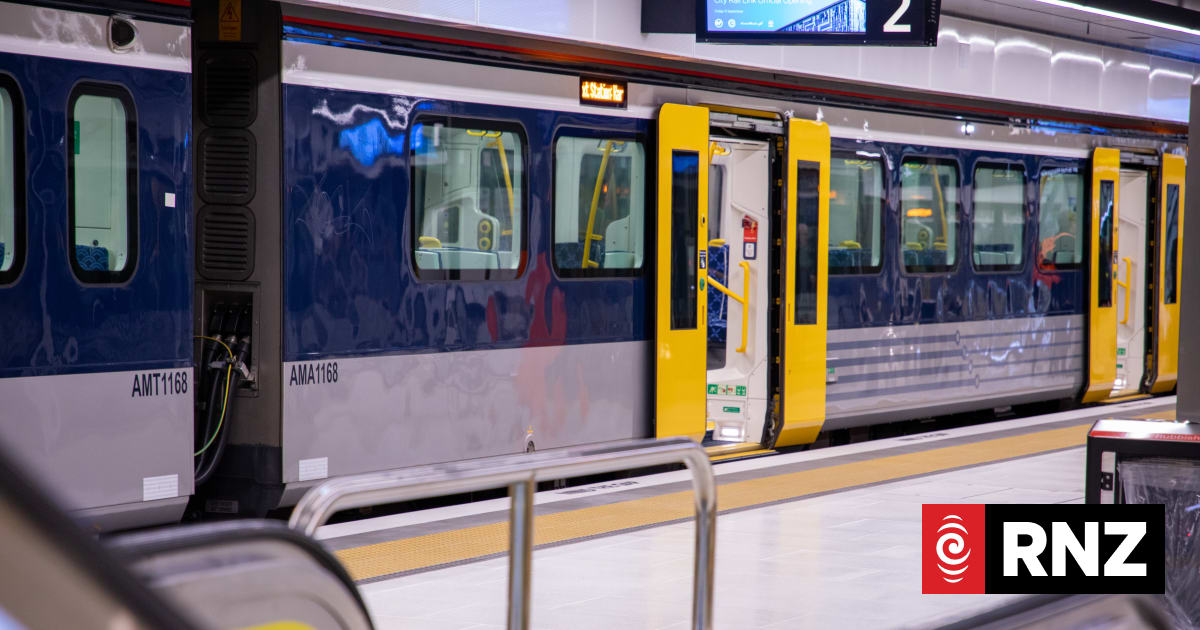
Auckland’s new City Rail Link proves ambition — now fix the teething problems
By From the Editor — Downunder Voices

Source reporting: rnz.co.nz

Auckland’s new City Rail Link proves ambition — now fix the teething problems

After years of construction and billions spent, Auckland’s City Rail Link finally opened its tracks to the public — and, predictably, drew train enthusiasts keen to be among the first to ride. That sense of accomplishment must be savoured: big infrastructure takes time, political will and public investment. But the jubilation of a long‑anticipated opening was tempered when a fire on the first day caused delays and cancellations. Those immediate problems are frustrating for commuters and embarrassing for operators, but they also offer a clear opportunity to improve. When a project of this scale reaches operational status, expectations are high and tolerance for early snags is low. Operators and councils should have anticipated that the first day of operation would be scrutinised; that is precisely when the system must perform at its best. A fire on day one raises questions about operational readiness, safety testing and contingency planning. Those questions deserve direct answers. Commuters need to know what went wrong, why, and what steps will prevent a repeat. Transparency builds public trust and helps avoid the erosion of confidence that can follow high‑profile mishaps. At the same time, perspective matters. Complex rail systems are not simple consumer goods that can be rolled out faultlessly on day one. Testing, training, and unforeseeable incidents will always be part of the early phase. The right response balances accountability with patience: fix the problems quickly, communicate clearly to affected passengers, and ensure that lessons learned are fed back into ongoing operations. The public also has a stake beyond the immediate delays. Major transport projects are paid for by taxpayers and rates, and their long‑term value depends on reliability and integration with the rest of the city’s transport network. Aucklanders will be forgiving of first‑day glitches if they see consistent improvements, robust safety practices and a clear plan to make the link a dependable backbone for commuting, freight and urban development. Finally, officials should use this moment to strengthen their relationship with the public. Clear, candid explanations about what happened and how it will be fixed will do more to reassure passengers than bland promises. Celebrate the achievement — the link is a milestone for Tāmaki Makaurau — but treat the teething problems as a management priority. Get the operations right, and the City Rail Link will repay the patience of those who waited years and billions for it to open.

Downunder Voices perspective

Why this matters

Commuters and taxpayers will feel the impact of delays and safety lapses. They need clear answers about reliability and plans to prevent future disruptions as the new rail link moves from novelty to daily service.

About this report

Downunder Voices provides an independently written summary and community perspective based on information published by the original source. The original publisher remains responsible for its reporting.

Join our community

Follow Downunder Voices

Join thousands of readers following news and community stories from Australia, New Zealand and the Pacific.

More from Social Issues

View category

13 September 2026

Forty‑one days’ petrol is not immunity — Australia needs energy resilience, not complacency

The energy minister’s candid note that Australia holds 41 days’ worth of petrol in its strategic reserve should be heard as a warning rather than comfort. It is a useful buffer, but not an immune shield. The international picture is worrying: conflict across the Middle East has again placed pressure on global oil supplies. Saudi authorities reported a temporary closure of a crucial export route after drones launched from Iraq, a move that illustrates how fragile the routes and chokepoints that carry the world’s fuel really are. Add to that the ongoing dispute involving Saudi Arabia and the Houthis and the broader instability linked to the war in Iran, and the pressure on prices is clear. For ordinary Australians, these are not distant headlines. Fuel costs feed directly into household budgets through petrol and into the broader economy through freight, food and services. When international supply is disrupted, prices move quickly, and the immediate consequence is felt at service stations and supermarket aisles. That is why stockpiles matter, but stockpiles alone are not a long‑term defence. A strategic reserve gives governments breathing space, allowing temporary market responses or diplomatic de‑escalation to take effect. But 41 days can be eaten away by sustained disruption, by the cumulative effect of multiple shocks, or by logistical problems at home. The recent events in the Gulf underline the point: a single closure of an export route — even a temporary one — can cascade into price spikes. Australia sits at the end of a long, complex global supply chain. That position makes resilience both pricier to build and more essential to buy. The task for policymakers is twofold. First, they must ensure transparency and clear contingency planning so the public understands what the reserve can and cannot achieve. Citizens are entitled to know how and when reserves will be used, and what triggers release. Second, this moment should sharpen the case for a broader energy strategy that reduces exposure to single‑source risks. That does not mean immediate self‑sufficiency in oil — unrealistic on short notice — but it does mean accelerating transitions where feasible, improving fuel efficiency, diversifying supply routes and investing in alternatives that blunt the effect of global oil shocks on everyday life. The government’s public acknowledgment of the reserve size is welcome candour. But it must be accompanied by sober planning and honest communication. Australians will be more reassured by a credible, multi‑layered approach to energy security than by a single headline number. In an unstable world, resilience is built not by counting days of supply, but by preparing for the day after those stocks run low.

Community angle

Rising petrol prices hit household budgets and drive up costs of goods and services. Knowing what reserves can do and how governments plan for disruption matters to commuters, small businesses and shoppers.

Source: Guardian Australia PoliticsOriginal source

13 September 2026

When a senator calls big tech an 'attack on democracy', Parliament must listen

Sarah Hanson‑Young’s recent conversation with The Guardian’s political editor brings into sharp relief a debate that will shape our politics and public life: how to regulate the platforms that now mediate so much of our civic conversation. The Greens senator used stark language — describing big tech as an “attack on democracy” — and explained why the Greens have made Labor’s digital duty of care legislation a priority. The exchange also touched on the party’s decision to back the government’s controversial plans for a new ko… a shorthand reminder that these conversations happen in complex, sometimes compromise‑ridden political terrain. That debate matters to every Australian. The digital duty of care proposed by Labor is not an abstract policy tussle between Canberra and Silicon Valley; it is a test of whether our laws can protect everyday civic life while preserving legitimate public expression. Senators and MPs are rightly asking how to reduce harms that flow through online services, and how to make sure those services are accountable. Hanson‑Young’s intervention helps frame the stakes: lawmakers are not merely tinkering with technical rules, they are responding to a sense that the way digital platforms operate has consequences for how we debate, vote and live together. The Greens’ support for parts of the government’s plan also underlines another practical truth of Australian politics — meaningful reform rarely arrives in pure form. Parties trade, negotiate and sometimes accept provisions they regard as imperfect to secure guardrails they believe are essential. That sense of pragmatic politics is worth recognising; it does not weaken the need for rigorous oversight. It should, instead, sharpen it. If the digital duty of care becomes law, the hard work will be in the details: who enforces it, how harms are defined, what transparency is required of platforms, and how to protect legitimate speech while preventing organised manipulation. There is a second lesson here for the public. Politicians across the spectrum will use different language — some invoking safety, others fretting about free speech — but citizens must be alert to how those choices are translated into rules that affect everyday life. This is not only a job for lawyers and tech executives. Schools, community groups, media organisations and ordinary users have a stake in the norms that are set. The Greens senator using a national platform to make her case helps broaden public debate; Australians should take it as an invitation to engage rather than as a signal that the matter is too arcane for ordinary scrutiny. Finally, the episode is a reminder that the policy response should not be rushed or sentimental. Regulation of powerful technologies should be principled, evidence‑based and adaptable. It should also be transparent — the public deserves to know what trade‑offs are being made and why. If we treat this moment as merely another political skirmish, we risk passing laws that either fail to protect citizens or unduly stifle legitimate online life. If, instead, lawmakers from all sides seize the chance to craft clear, enforceable duties — informed by civic values and practical enforcement mechanisms — Australia can set a model for other democracies wrestling with the same problem. The conversation begun by Hanson‑Young and captured in that podcast is a good place to start.

Community angle

Ordinary Australians use digital platforms every day. The duty of care debate will affect safety, civic debate and what content people see — making it a public policy issue, not just a parliamentary one.

Source: https://www.bing.com/news/search?q=Australia+politics&format=rssOriginal source

Read Next

View latest