8 September 2026
As Middlemore strains, asking sick nurses to work is a risk the community can’t afford
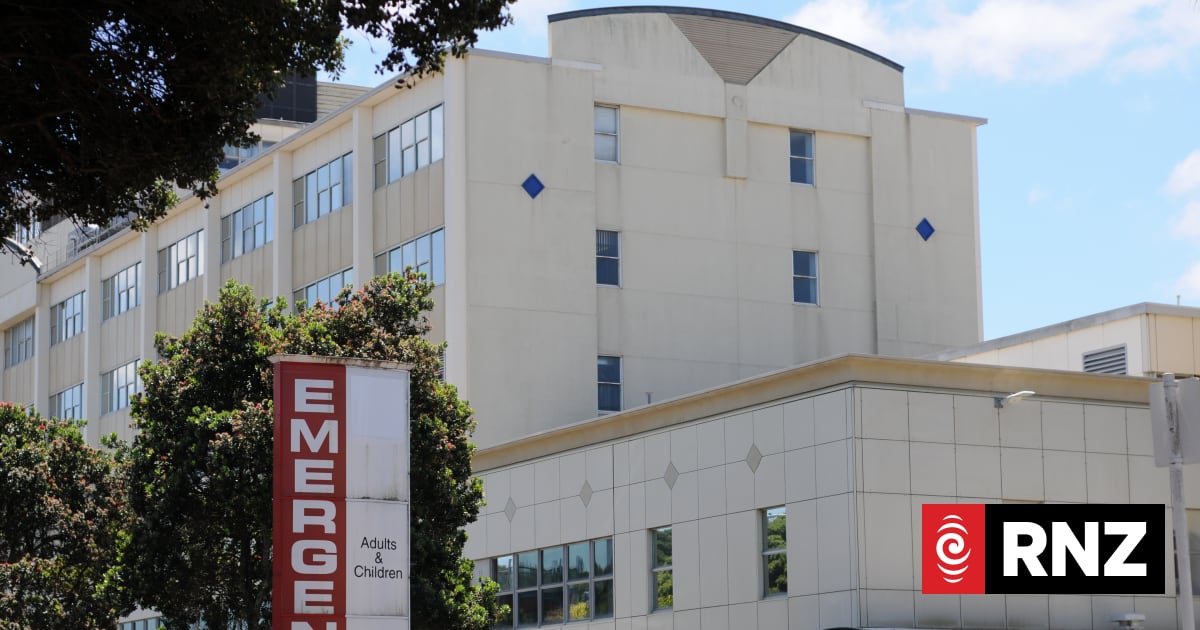
Reports that nurses at Middlemore Hospital in South Auckland were asked to work despite calling in sick are deeply worrying — and they arrived at a time the hospital is already under severe pressure. Emergency department presentations have risen and staff sickness has increased. When understaffed hospitals call on already unwell workers to turn up, the pressure may seem alleviated in the short term, but the consequences for patient safety and workforce resilience are grave. Hospitals are complex systems that rely on teams functioning at full capacity. If staff attend work while unwell, they cannot perform at their best. Clinical decisions, handovers and the ability to respond to sudden deterioration are all affected by fatigue and illness. For patients—particularly the most vulnerable—this heightens the risk of poorer outcomes. For nurses, the message that they should put themselves at risk to cover staffing gaps can erode morale and push already stretched workers out of the profession. The facts are stark: Middlemore has been under significant pressure in recent weeks with more emergency presentations and rising staff sickness. Against that backdrop, any instruction or expectation that sick staff return to work is an intervention that substitutes a short-term staffing fix for long-term workforce planning. It also ignores public-health commonsense: sick people at work are more likely to spread infections in a hospital, compounding absenteeism and forcing still more cover arrangements. For the South Auckland community, many of whom already face higher health needs and lower access to care, the stakes are personal. People expect their hospital to be a place of safe, timely care. When services teeter because of staff shortages, waiting times stretch, elective procedures are delayed and emergency care becomes more fragile. That is not just an operational problem; it is a community problem. What ordinary readers should take from this is twofold. First, staffing pressures are not just a headline; they affect everyday care and the safety of family and neighbours who rely on the hospital. Second, short-term fixes that rely on overworking ill staff are false economies. They may buy time but increase risks and future costs. Policymakers must act on the underlying causes: boosting recruitment and retention in nursing, addressing workplace conditions that drive sickness and burnout, and improving surge capacity so hospitals can ride out spikes in demand without compromising standards. Employers must also protect staff health by ensuring clear, compassionate policies that do not penalise legitimate sick leave. For the community, this is a reminder that health systems are a shared responsibility. Voters and local leaders should press for durable solutions that safeguard both patient safety and staff wellbeing. Asking sick nurses to work might appear expedient in the moment, but it undermines the very foundation of trust on which hospitals depend.
Downunder Voices perspective
Why this matters
Explains how staffing pressures at Middlemore Hospital — rising emergency presentations and staff sickness — affect patient safety and community care, arguing that asking unwell nurses to work is a dangerous short-term fix.
About this report
Downunder Voices provides an independently written summary and community perspective based on information published by the original source. The original publisher remains responsible for its reporting.
Join our community
Follow Downunder Voices
Join thousands of readers following news and community stories from Australia, New Zealand and the Pacific.