1 September 2026
An ageing generation, shrinking safety net: New Zealand must build homes for older renters
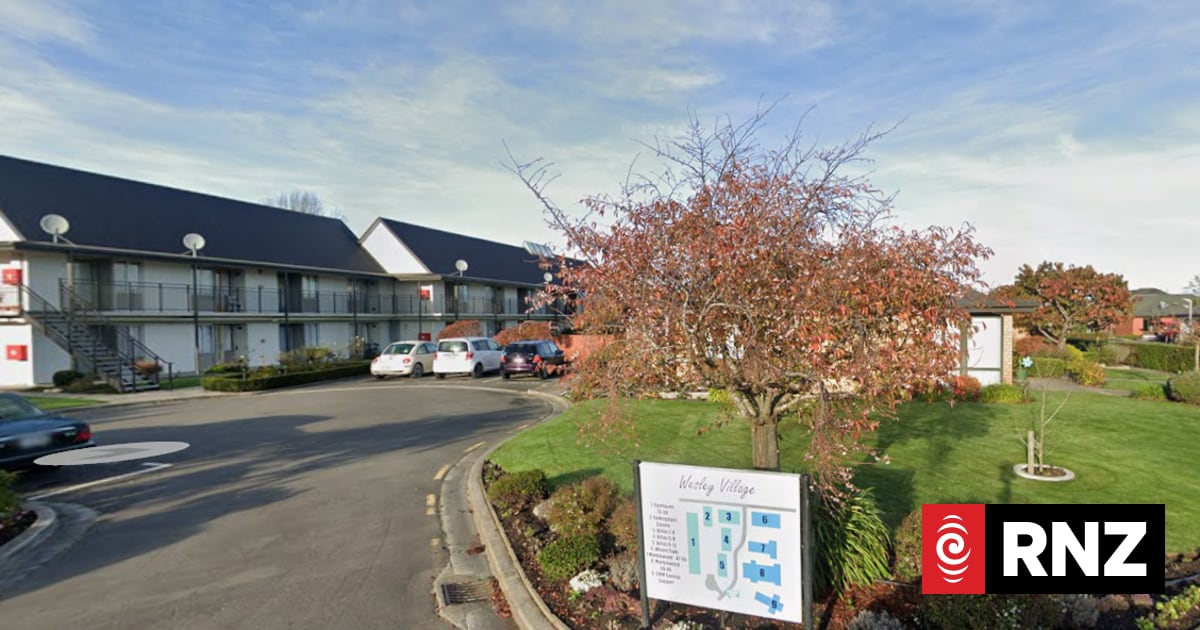
Christchurch Methodist Mission has sounded a stark warning: New Zealand could be in "serious trouble" if the country does not act to address a looming shortfall in social housing for older people. The scale of the challenge is simple and unforgiving — the population of renters aged over 65 is set to triple by 2050. That projection should stop policy-makers and communities in their tracks. Housing policy is often framed around first-home buyers, families with young children or the homeless, and rightly so. But an ageing cohort of renters deserves equal attention. Older renters are more likely to be on fixed incomes, to have health or mobility needs, and to rely on stable, affordable housing as the backbone of independent living. When supply fails to meet demand, it is not an abstract market failure: it translates directly into poorer health outcomes, reduced mobility, and greater pressure on health and social services. The Christchurch mission’s warning is not moralising rhetoric; it’s a pragmatic alarm bell. A tripling of older renters will change the character of housing need. Demand for smaller, accessible, and affordable units close to services and public transport will soar. Without a clear plan, New Zealand risks long waiting lists for social housing becoming dominated by older people, with knock-on costs for hospitals, aged-care facilities and local councils. There are signs of action in parts of the country. Public housing providers are still building — Kainga Ora plans, for example, to build 37 new state homes in Wellington’s Strathmore — but the scale and the character of what is being built must reflect the demographic reality. Simply producing more general-purpose housing will not solve the problem if it does not match the needs of older tenants: accessibility, proximity to health services, and security of tenure. The debate about housing for older people should also include funding and tenure options. For many older renters, the private rental market is unforgiving: insecurity of tenure, rent increases and housing that is poorly maintained are all common. A robust social housing pipeline for older people means investing in long-term ownership by the community sector or state, not a short-term reliance on an overheated private rental market. Local government, central government and community organisations will need to work together. Churches and charities like the Christchurch Methodist Mission are already raising the alarm and, in many cases, delivering services. That partnership capacity is vital, but it cannot replace a broader, strategic response. Planning rules, land supply, targeted funding for accessible units and incentives for developers to include age-friendly flats all deserve scrutiny. Above all, this is about dignity and cost. Helping older people age with independence and stability is a humane policy; it is also economically sensible. Avoiding a future surge in hospital admissions and high-care placements by giving people a decent home is far cheaper than reactive spending in health and social care. The demographic shift is on a timetable. Tripling the number of renters over 65 by 2050 is not a distant abstraction — the decisions made today about land use, public housing investment and tenancy protection will determine whether that generation lives in security or precarity. New Zealand’s leaders should treat the Christchurch Methodist Mission’s warning as a planning horizon, not a protest slogan: act now to build the safe, affordable, and accessible homes older Kiwis will need.
Downunder Voices perspective
Why this matters
Older renters face rising insecurity and health risks; building accessible, affordable social homes now will protect individuals and reduce future pressure on health services.
About this report
Downunder Voices provides an independently written summary and community perspective based on information published by the original source. The original publisher remains responsible for its reporting.
Join our community
Follow Downunder Voices
Join thousands of readers following news and community stories from Australia, New Zealand and the Pacific.