2 November 2026
AIT’s Australian takeover underlines Oceania’s role in the global data‑centre supply chain
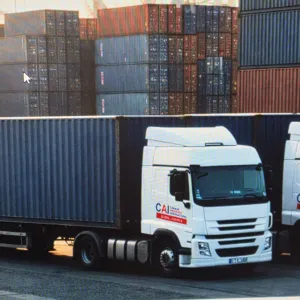
When Chicago‑based AIT Worldwide Logistics announced it had acquired Australian freight forwarder Connor Anderson International late on Sunday, it was more than a corporate footnote. It was a clear sign that international logistics players see Australia and New Zealand as strategic terrain in the surge of data‑centre construction and wider high‑tech activity across the region. Connor Anderson is not a fly‑by‑night vendor. The firm manages air, ocean and road transportation, customs clearance and project cargo for customers, and has developed a substantial technology client base in Australia and New Zealand. Its facilities in Sydney and Melbourne have been the gateway for AIT’s operations in the market for 15 years. That long relationship suggests this was a sensible, evolutionary step for both firms: AIT gains an integrated local presence; Connor Anderson becomes part of a bigger global network. AIT’s stated reasons are telling. The company said high‑tech customers asked it to expand its capabilities in Australia, and it expects to win additional business from the aerospace and automotive industries. That alignment matters. Data centres do not just appear; they rely on complex, often single‑use logistics for heavy electrical equipment, modular build‑components and rapid, time‑sensitive deliveries. Having a forwarder with local knowledge and global reach can smooth those flows — something tech clients want when they are racing to commission infrastructure. For Australians and New Zealanders, the takeover offers both opportunity and reasons for scrutiny. On the upside, a stronger logistics offering can speed up the delivery of projects that bring investment, jobs and demand for local services. Improved customs and project‑cargo capability can reduce delays that frustrate businesses and increase costs. The possibility that AIT will win aerospace and automotive contracts also suggests broader industrial benefits beyond data centres. But consolidation in logistics is not cost‑free. Bigger global players can capture more of the value chain, and that raises questions about competition, pricing and the resilience of local capacity. Policymakers and industry should watch how the acquisition affects service levels, costs for customers and opportunities for smaller local firms. The ideal outcome is an expanded market where global reach and local expertise raise standards and create jobs; the less desirable outcome is a tighter market that shifts margins offshore. Why should ordinary readers care? Because the physical movement of goods underpins the technology their lives increasingly depend on — from cloud services to critical industrial projects. Efficient logistics lower the cost and timeline of local infrastructure, which in turn affects prices, employment and the pace of technological deployment. This deal also underscores a broader point: Oceania is no longer peripheral in global tech supply chains. International firms are investing here because of demand and opportunity. That is worth celebrating — and it also demands diligence. Australian and New Zealand regulators, firms and workers should ensure the region captures as much of the economic benefit as possible while guarding against the risks that come with consolidation. An acquisition is a vote of confidence in Oceania’s role in the global economy. The next question is whether that confidence is converted into lasting local advantage.
Downunder Voices perspective
Why this matters
The purchase could speed up delivery of data centres and win aerospace and automotive contracts — affecting jobs and local supply chains. Readers should watch whether the deal improves services and local opportunities or simply channels more value offshore.
About this report
Downunder Voices provides an independently written summary and community perspective based on information published by the original source. The original publisher remains responsible for its reporting.
Join our community
Follow Downunder Voices
Join thousands of readers following news and community stories from Australia, New Zealand and the Pacific.