7 November 2026
A hung parliament: New Zealand voters deserve clarity, not weeks of fog
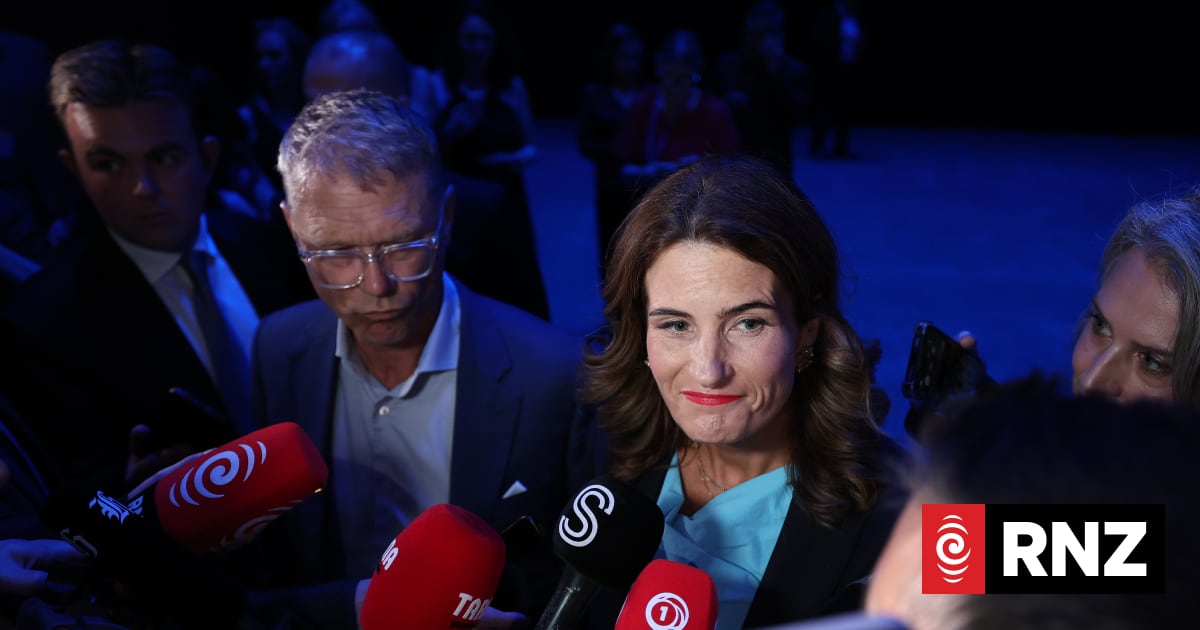
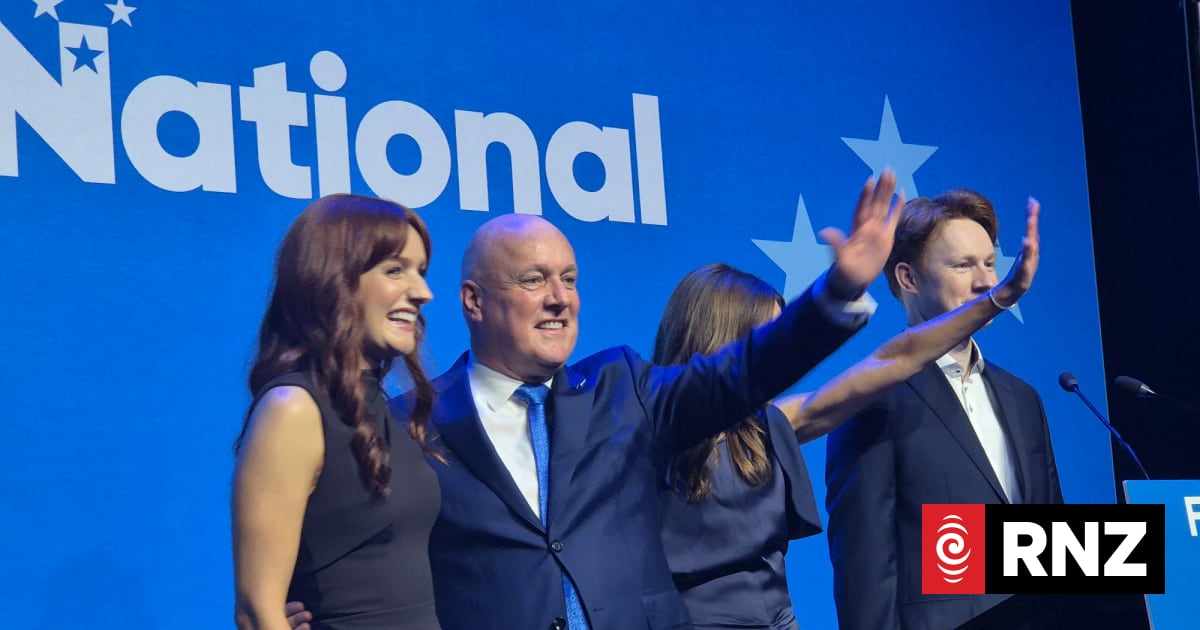
Preliminary results from New Zealand’s 2026 general election have produced one of the closest national parliaments in living memory. The two major parties, Labour and National, are locked in the tightest of races, individual electorates are being decided by tiny margins — Hamilton East saw a 17‑vote lead and Wellington Bays a two‑vote gap — and commentators warn it could be weeks before a stable government is known. That uncertainty matters to ordinary New Zealanders. Households planning budgets, renters and first‑home buyers, businesses making investment decisions and people waiting on policy changes do not benefit from prolonged political limbo. A long, public stretch of horse‑trading over the formation of coalition arrangements can sap confidence at a time when many families are anxious about the cost of living and the everyday services that government manages. Democracy, properly practised, tolerates time for coalition negotiation. Voters who split their ballots expect parties to talk and compromises to be struck. But there is a difference between deliberate negotiation and avoidable delay. Where results hinge on handfuls of votes, the mechanics of counting, the rules for recounts and the transparency of negotiations take on outsized importance. The public needs clear, trusted processes for concluding results and for how power is handed over. That means a few practical reforms should now be front of mind. Electoral authorities should publish plain‑English explanations of how tight results are resolved and what triggers recounts; automatic recount thresholds for very narrow margins should be considered so that recounts do not become battlegrounds for perception; and the public ought to be kept better informed about timeframes for final results so households and businesses can plan. Political leaders, for their part, must make coalition negotiations as transparent as possible about timelines and key policy priorities, so citizens understand the choices being discussed and the likely effects on bread‑and‑butter issues. Opponents will say hurried reforms or tight deadlines risk cutting short necessary discussions between parties. That is a fair point: deep, legitimate differences deserve time. But reform is not the same as rush. Reasonable measures that improve clarity — published thresholds, timely counts in marginal seats, and formalised caretaker conventions during negotiation — would both protect the integrity of outcomes and reduce unnecessary disruption. The spectacle of weeks of uncertainty, watched live by a public glued to election coverage, is neither good for democratic trust nor for the economic decisions people must make. New Zealand’s electoral system has produced close results before; the lesson now should be to make the endgame less bewildering and more predictable. Parties should negotiate in public sight, electoral administrators should commit to clearer rules and faster, transparent processes, and Parliament should consider modest procedural reforms so future tight results are resolved without leaving households in the lurch. Sources: RNZ, ABC, BBC
Downunder Voices perspective
Why this matters
This affects every voter and household in New Zealand — from mortgage and rent planning to confidence in public services — by demanding clearer, faster handling of tight election results.
About this report
Downunder Voices provides an independently written summary and community perspective based on information published by the original source. The original publisher remains responsible for its reporting.
Join our community
Follow Downunder Voices
Join thousands of readers following news and community stories from Australia, New Zealand and the Pacific.