Advertise with us
DOWNUNDERVOICESAustralia · New Zealand · World
Back to Trade & Logistics
Trade & Logistics

12 August 2026

Port Everglades in urgent need for channel deepening

Downunder Voices Newsroom

Source reporting: Container News

Port Everglades in urgent need for channel deepening

Port Everglades has welcomed the MSC Vandya, the largest cargo ship ever to visit the port, though the occasion simultaneously underscored a critical infrastructure constraint. The vessel, measuring 1,200. 2 feet in length with a gross tonnage of 143,521 and a capacity of 13,050 TEUs, arrived lightly loaded due to current water depth restrictions that limit incoming vessels to a maximum of 8,000 TEUs, negating the efficiency and environmental benefits that modern large container ships are designed to deliver. The MSC Vandya was diverted to Port Everglades as part of MSC’s Dragon Service to the Far East, with approximately 1,300 containers anticipated to be moved off the vessel and empty containers loaded for transport to Asia. Port Everglades Terminals LLC is the container terminal operator handling the call.

About this report

Downunder Voices provides an independently written summary and community perspective based on information published by the original source. The original publisher remains responsible for its reporting.

Join our community

Follow Downunder Voices

Join thousands of readers following news and community stories from Australia, New Zealand and the Pacific.
More from Trade & Logistics

View category

12 August 2026

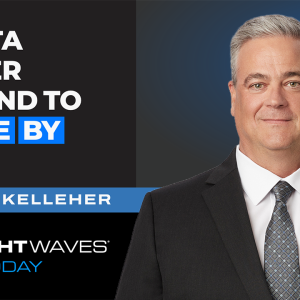
AI Data Center Demand to TRIPLE by 2030 | GXO CEO on Logistics Impact

GXO Logistics CEO Patrick Kelleher reveals the immense growth in AI data center demand, predicting capacity will triple by 2030. Discover how this surge, along with warehouse robotics and redomestication, is reshaping the global supply chain and creating new opportunities for logistics providers. Kelleher shares GXO’s strategy for tackling these trends, including advanced automation and strategic partnerships. Data center capacity will triple by 2030, and GXO Logistics is positioning its supply chain services to capture that demand well into the next decade, according to Patrick Kelleher, CEO of the $13 billion contract logistics company. Kelleher, speaking on FreightWaves Today, said GXO’s data center business — which covers both the forward build and the maintenance and sustainment of facilities — is already seeing “substantially accelerated growth” and he expects the momentum to continue through at least 2027.

Source: FreightWavesOriginal source

12 August 2026

New Trucking Authorities: Are They Sustainable?

FreightWaves dives into the surge of new trucking authorities and whether this capacity is sustainable. With tender rejections flat and demand picking up, we explore the risks brokers face with new MC numbers and no safety ratings. Plus, is mode conversion to rail a real solution to truckload capacity constraints? A burst of new trucking operating authorities in the second and third quarters of 2025 has produced a net gain of more than 5,000 unique authorities year to date, even after 19,594 net revocations, according to FreightWaves SONAR CNDCA data reviewed on August 12. But Julie Van de Kamp said the headline number overstates available capacity, arguing that brokers and shippers are unlikely to tender freight to carriers with brand-new MC numbers and no safety rating given current fraud conditions and liability exposure.

Source: FreightWavesOriginal source

12 August 2026

Freight Rail Index at NEAR DECADE HIGH! | Economy Rebounding?

The latest rail traffic data is in, and it paints a surprising picture of economic recovery. The Freight Rail Index has reached its second-highest level since 2008, indicating a significant rebound in the industrial sector. We break down the North American carload and intermodal numbers, highlighting key growth areas and shifts in freight patterns, including a notable 4. 7% increase in US carload traffic when excluding coal. This trend suggests a broader economic expansion beyond just data centers.

Source: FreightWavesOriginal source

Read Next

View latest