Advertise with us
DOWNUNDERVOICESAustralia · New Zealand · World
Back to New Zealand
New Zealand

13 August 2026

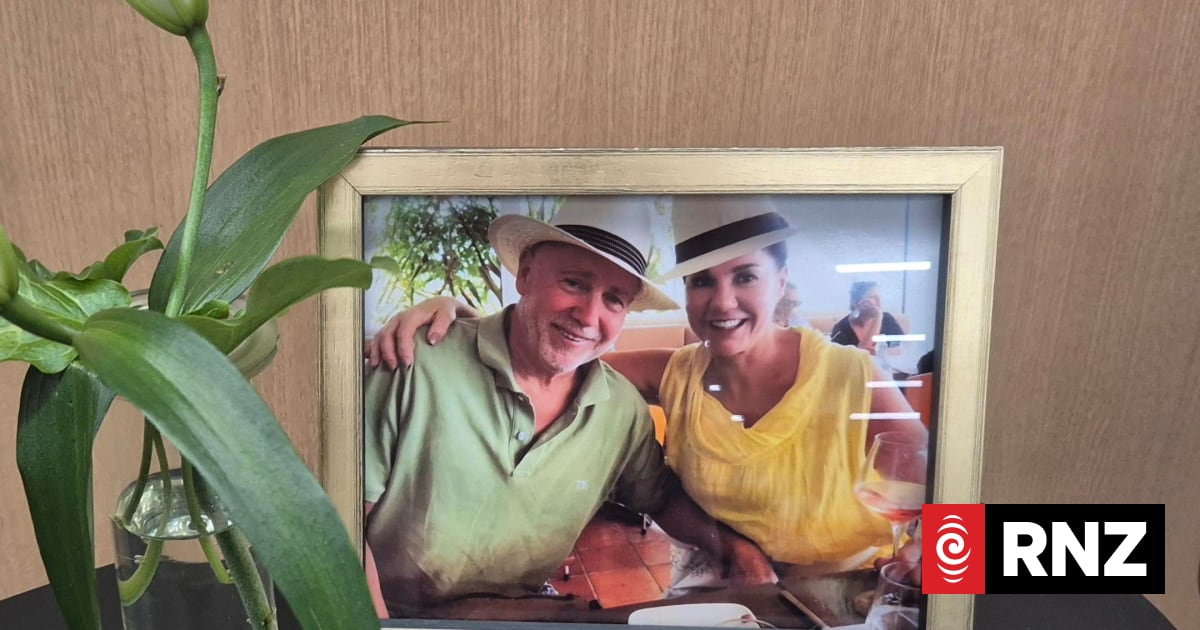
Pauline Hanna inquest adjourned while Polkinghorne documentary footage is narrowed down

Downunder Voices Newsroom

Source reporting: rnz.co.nz

Pauline Hanna inquest adjourned while Polkinghorne documentary footage is narrowed down

The coroner had ordered Blonde Razor Productions to hand over four hours of raw footage from an interview with Dr Philip Polkinghorne.

About this report

Downunder Voices provides an independently written summary and community perspective based on information published by the original source. The original publisher remains responsible for its reporting.

Join our community

Follow Downunder Voices

Join thousands of readers following news and community stories from Australia, New Zealand and the Pacific.

More from New Zealand

View category

Read Next

View latest

13 August 2026

Freightos Weekly Update: Hormuz hopes dashed; Asia – Europe and transpac ocean rates diverge on extended US peak

The Iran-Oman Strait of Hormuz initiative stirred some optimism last week of renewed traffic through the waterway sometime soon. But Iran’s recent, escalated, list of demands of the US – including a ban on US vessels, transit fees, and reparations for damage from US strikes – in order to make it happen has mostly dashed the renewed hopes and pushed the situation back to the familiar war time status quo of Iranian attacks, a US blockade and minimal transits. The last few weeks have seen attacks extended via Iranian proxies to the Bab el-Mandeb Strait, Saudi ports in the Red Sea and even Egypt. Nonetheless, some container carriers have expanded or restarted some Red Sea transits paused more than once since the start of the war. The early start to ocean peak season is translating into the anticipated early come down on Asia-Europe lanes.

Source: Container NewsOriginal source

13 August 2026

Victoria’s forensic mental health system is fraying — staff burnout risks patients and justice

A leaked report from insiders paints a worrying picture of Thomas Embling Hospital, Victoria’s only mental healthcare provider for the criminal justice system. The document describes a service struggling with inefficient use of government funding and a predominantly junior workforce that is burning out. Those facts point to systemic weaknesses that imperil both patient care and public safety. When a specialist public service is understaffed, under‑resourced or reliant on inexperienced staff who are exhausted, the consequences are immediate. Patients with complex needs miss out on timely assessment and treatment. Clinical decisions are made under pressure. Staff are more likely to leave, compounding the recruitment and retention problem in a feedback loop that worsens care standards. Because Thomas Embling operates at the intersection of health and criminal justice, failures here have broader social implications. The hospital’s role is to treat people whose mental illness intersects with offending or risk; when services fail, individuals may face inappropriate detention, premature discharge, or preventable deterioration. Families and victims also bear the consequences when a specialist system cannot reliably deliver safe, therapeutic care. The leaked findings raise several policy questions that deserve public scrutiny. Is the current funding model adequate for the hospital’s mandate? Are governance arrangements delivering clear clinical oversight and accountability? Does workforce planning anticipate the specialised skills and support junior clinicians need to manage challenging caseloads? These are operational but crucial questions for ministers and health administrators. A measured response should focus on stabilising the workforce and improving system efficiency. That means targeted investment in training, supervision and staff wellbeing to reduce burnout. It also means reviewing how government funding is allocated and spent, so resources reach frontline clinicians and essential therapeutic programs rather than being absorbed by avoidable overheads. Independent oversight could help restore public confidence and ensure that corrective action is evidence‑based rather than reactive. Public safety and dignity for patients are not competing priorities; they depend on the same thing: a credible, well‑resourced forensic mental health service. If Victoria is to meet its obligations to people inside the justice system and the community, it must treat the leaked report as a call to act rather than an embarrassment to be papered over. The hospital’s staff need realistic workloads, meaningful supervision and proper funding; patients need consistent, competent care. That should be the benchmark for measuring success.

Community angle

Victoria’s sole mental healthcare provider for people in the criminal justice system is reportedly struggling with funding inefficiencies and a junior, burned‑out workforce, affecting patients, families and community safety.

Source: https://www.abc.net.au/news/feed/45910/rss.xmlOriginal source